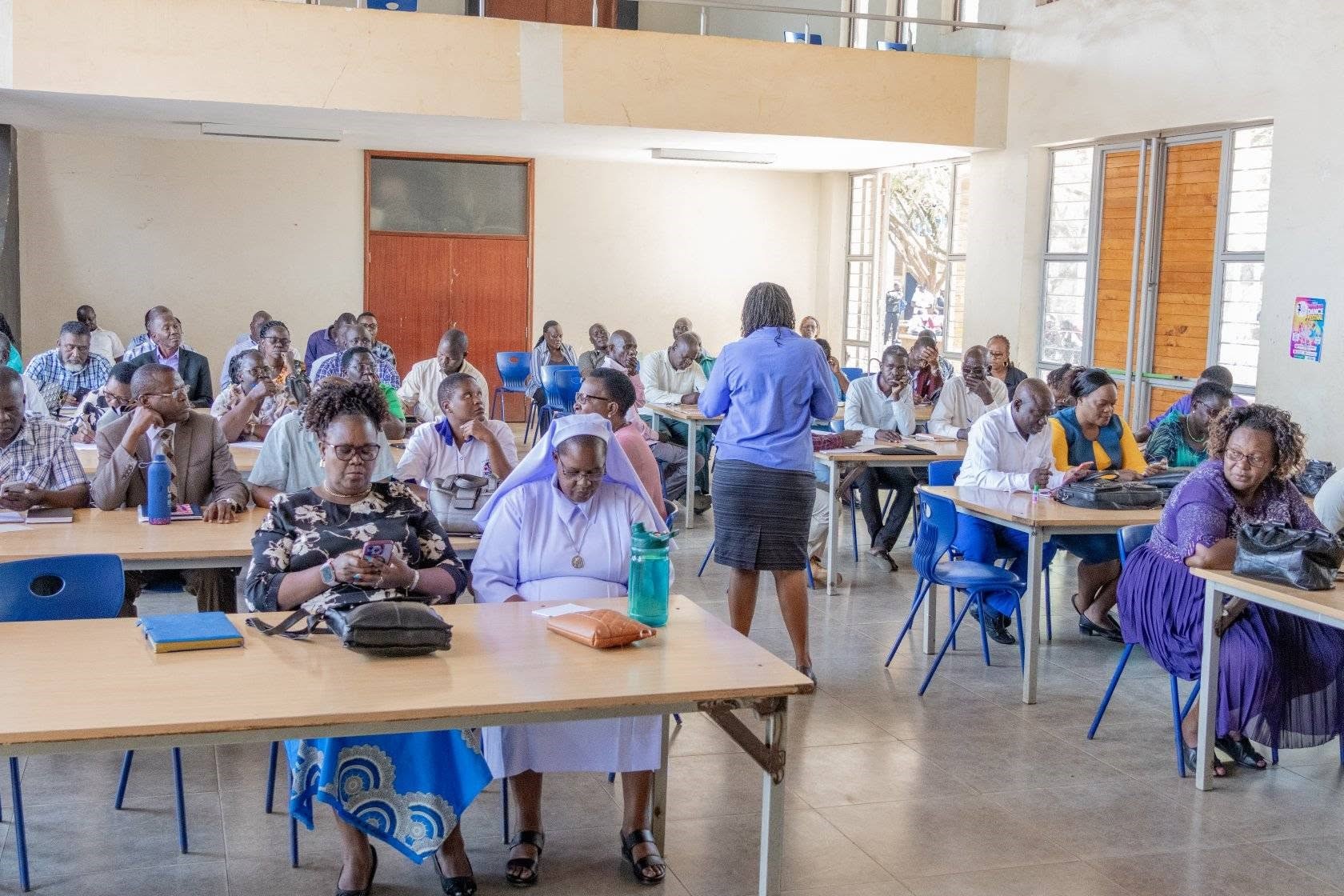
- Hillary Muhalya urges parents to use the August holiday to nurture their children’s character, strengthen family bonds and prepare them for lifelong success.
- He argues that the lessons children learn at home during the school break are just as important as those taught in the classroom.
When schools close for the August holiday, many learners welcome the break from early morning routines, homework deadlines and structured classroom schedules. However, for parents and guardians, this period should signal the beginning of an even greater responsibility. Although formal learning pauses until the start of the Third Term, the responsibility of raising and guiding children continues without interruption. In fact, it becomes even more significant.
Education has never been the sole responsibility of teachers. Schools impart knowledge, develop skills and prepare learners for examinations, but homes shape the values, attitudes and character that determine how children apply that knowledge throughout their lives. The lessons taught by parents often endure longer than those learned in classrooms because they are reinforced through daily interactions, shared experiences and personal example.
The August holiday presents families with a valuable opportunity to reconnect after months of demanding school schedules and busy work commitments. It is a time to rediscover one another, strengthen relationships and intentionally invest in the emotional, intellectual and moral development of children. The memories created and the guidance offered during this period may significantly influence the decisions children make in the years ahead.
Modern parenting extends far beyond providing school fees, food, clothing and shelter. While these remain essential responsibilities, they represent only a portion of what children need to thrive. Young people require parents who are emotionally present, willing to listen without judgment and prepared to guide them through the complexities of growing up. A child’s confidence is shaped not only by material provision but also by consistent encouragement, reassurance and unconditional love.
Parents remain a child’s first teachers
This holiday should encourage parents to take a more active interest in their children’s lives. It is important to understand who influences them, how they spend their time, what they engage with online and what aspirations they hold. The digital age has transformed childhood, exposing young people to both vast opportunities and significant risks. Social media platforms, online content and peer networks increasingly shape opinions and behaviour. Without active parental involvement, children may struggle to differentiate between positive and harmful influences.
Families remain the first and most influential learning environments. Values such as honesty, respect, integrity, humility, responsibility, compassion and hard work cannot be effectively taught through textbooks alone. They are developed through daily practice and consistent example. Parents who demonstrate fairness, kindness, patience and accountability are more likely to raise children who reflect these same values in school, at work and in society.
The observations of psychologist Albert Bandura continue to resonate today. His Social Learning Theory explains that children learn by observing the behaviour of those around them. Every action within the home becomes a silent lesson. Respect demonstrated between family members teaches respect. Honest behaviour fosters integrity. Responsible financial practices encourage prudence. Conversely, conflict, dishonesty, violence or neglect can unintentionally normalise harmful behaviour. Children rarely become what parents merely instruct them to be; they often become what they consistently observe.
Discipline remains one of the strongest foundations for a successful life. True discipline is not rooted in fear or harsh punishment but in guidance, consistency and accountability. It enables children to manage emotions, respect boundaries, take responsibility for their actions and persevere through challenges. Young people who develop self-discipline are better equipped to resist peer pressure, avoid destructive choices and pursue long-term goals with determination.
The holiday also provides an ideal setting for meaningful conversations that are often postponed during busy school terms. Parents should openly discuss aspirations, education, career pathways, personal safety, responsible relationships and sound decision-making. When such conversations take place within a trusting family environment, children are more likely to seek guidance before making critical life decisions. Silence often creates space for misinformation, while open communication fosters confidence and trust.
Equally important is the nurturing of children’s spiritual and moral development. Families that pray together, reflect together and participate in faith-based communities often cultivate environments where compassion, forgiveness, self-control and service to others are actively practised. Spiritual formation provides children with a sense of purpose and moral direction that remains valuable throughout life.
Making the holiday count
Learning should also continue beyond the classroom. Reading, revising schoolwork, watching educational content, engaging in creative arts, developing practical skills and exploring personal talents help keep young minds active during the break. The Third Term is academically demanding, and learners who maintain constructive study habits during the holiday often return to school better prepared and more confident.
Parents should also encourage children to take on age-appropriate household responsibilities. Cooking, cleaning shared spaces, caring for animals, gardening and assisting with daily chores foster responsibility, teamwork, discipline and independence. These experiences help children understand that every member of a household contributes to its well-being and that dignity is found in honest work.
Effective parenting does not require extraordinary financial resources. Children often remember genuine affection more than expensive entertainment. Sharing meals, taking walks, visiting relatives, exploring nature, playing games or simply spending time together strengthens relationships in ways that material possessions cannot. Time remains one of the most valuable gifts a parent can offer.
At the same time, parents must remain vigilant against risks that often emerge during school holidays. Drug and substance abuse, alcohol consumption, criminal activity, online exploitation, cyberbullying, gambling and negative peer influence continue to threaten many young people. Consistent supervision, open communication and encouragement to engage in constructive activities such as sports, reading, volunteering and faith-based programmes can significantly reduce these risks. Children should also be guided to avoid environments that may expose them to harm.
Ultimately, every child holds immense potential. The future doctors, engineers, teachers, entrepreneurs, scientists, artists and leaders of Kenya are spending these weeks at home. Whether that potential is nurtured or diminished depends largely on the guidance, values and opportunities they receive today. Nations are not transformed by policy alone; they are shaped by families that intentionally raise principled, compassionate and responsible citizens.
READ ALSO: How often should Kenyan women wash their hair? The answer isn’t the same for everyone
The August holiday should therefore be viewed not as a pause in education but as an extension of it. It is a season for strengthening families, nurturing character, encouraging aspirations and preparing children for future opportunities and responsibilities. When schools reopen, true success will not only be reflected in academic performance but also in learners returning with stronger values, greater confidence, renewed discipline and a clearer sense of purpose. The future of Kenya is being shaped every day—not only in classrooms, but also around family tables, through meaningful conversations and in the quiet example set by parents who understand that raising a child is the most important investment they will ever make.
By Hillary Muhalya
You can also follow our social media pages on Twitter: Education News KE and Facebook: Education News Newspaper for timely updates.
>>> Click here to stay up-to-date with trending regional stories
>>> Click here to read more informed opinions on the country’s education landscape
>>> Click here to stay ahead with the latest national news.