- The National Assembly’s Education Committee has begun reviewing key education reform Bills that could significantly reshape student funding, tertiary placement and governance across Kenya’s education sector.
- Among the proposals is the creation of a single funding authority by merging HELB, the Universities Fund and the TVET Funding Board.
The National Assembly’s Departmental Committee on Education has launched a comprehensive review of a raft of education reform Bills aimed at restructuring Kenya’s education sector, with lawmakers seeking to align the proposed laws with existing policies while evaluating their financial implications.
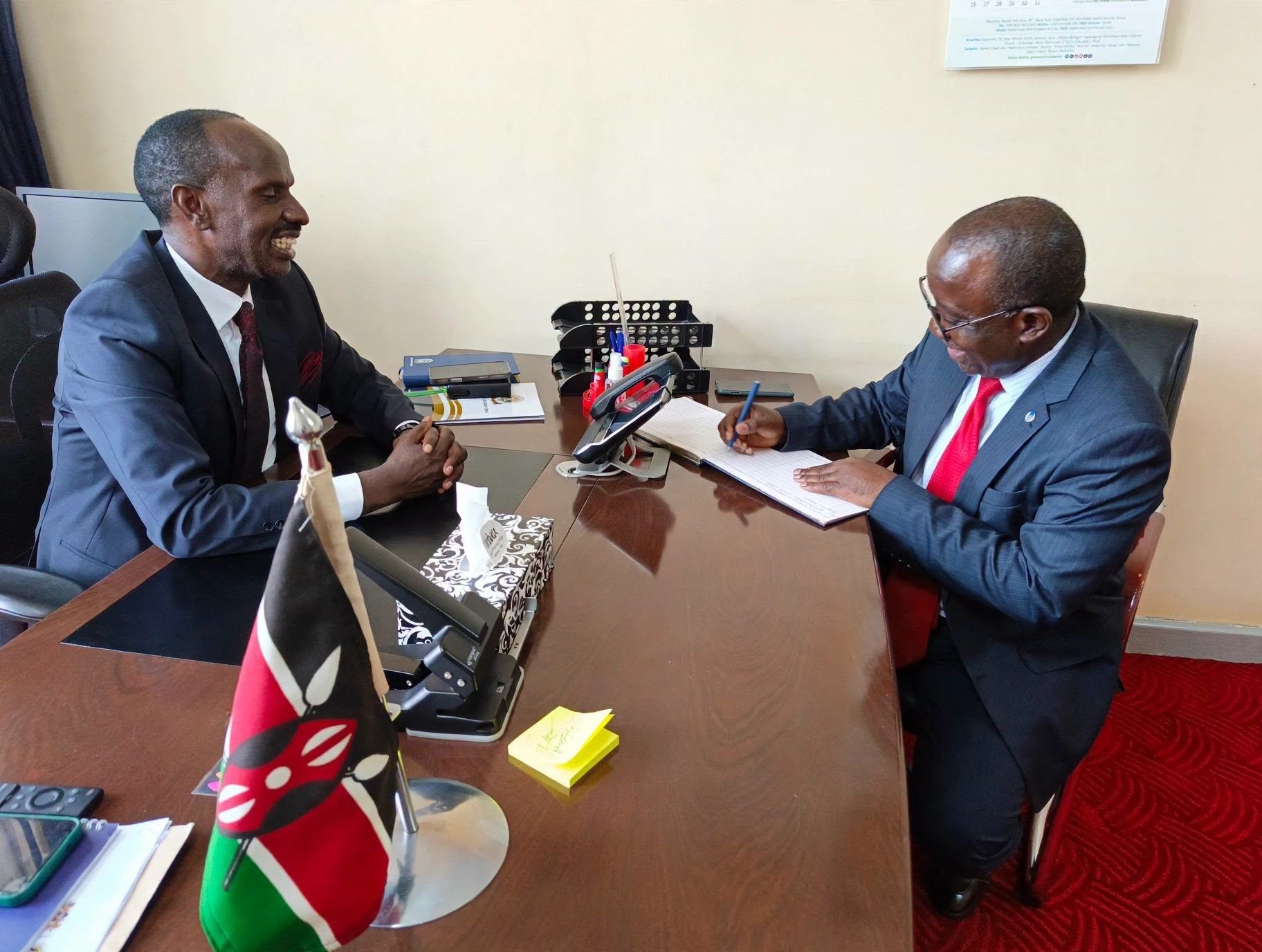
The committee, chaired by Hon. Julius Melly (Tinderet), on Wednesday held consultative talks with the Ministry of Education, led by Cabinet Secretary Julius Ogamba, at Bunge Tower to examine legislative proposals stemming from the Presidential Working Party on Education Reform.
Among the key Bills under review are the Tertiary Education Placement and Funding Bill, the Basic Education (Amendment) Bill, the Kenya National Educational Assessment Council (Amendment) Bill and the Kenya Institute of Curriculum Development (Amendment) Bill.
A major proposal contained in the Tertiary Education Placement and Funding Bill seeks to merge the Higher Education Loans Board (HELB), the Universities Fund Board and the Technical and Vocational Education and Training (TVET) Funding Board into a single institution to be known as the Tertiary Education Funding Authority (TEFA).
If enacted, TEFA will oversee student loans, scholarships and funding for tertiary institutions under one umbrella, a move the government says is intended to streamline financing and enhance efficiency in the management of higher education resources.
The Bill also introduces a unified funding model anchored on means testing, where students’ financial support will be determined by factors including household financial status, special needs, affirmative action considerations and the cost of their chosen programmes.
In addition, the proposed law provides for education loans to minors admitted to tertiary institutions and outlines procedures for loan applications, scholarship awards, disbursement and recovery, including from beneficiaries living outside Kenya.
On student placement, the Bill proposes that the Kenya Universities and Colleges Central Placement Service (KUCCPS) becomes the sole national placement agency for all tertiary institutions, while separating admission decisions from funding allocations to ensure placement is based strictly on merit, qualifications and programme preference.
Committee reviews governance reforms
Lawmakers also reviewed amendments to the Basic Education Act, which seek to formally recognise heads of learning institutions and define their responsibilities as agents of the Principal Secretary for Basic Education in implementing government education policies.
Further amendments to the Kenya Institute of Curriculum Development (KICD) Act propose abolishing the Academic Committee, arguing that its functions duplicate those of the institution’s Board. Under the proposal, the Board would have powers to establish committees and panels whenever necessary.
The committee also examined proposed changes to the Kenya National Educational Assessment Council (KNEAC) Act, which would abolish the proposed National Examination Appeals Tribunal and instead channel all examination-related disputes to the existing Education Appeals Tribunal.
READ ALSO: How first-year university students can apply for hostel accommodation in universities
Members of the committee observed that the proposed legislative reforms are designed to strengthen governance in the education sector, enhance coordination across tertiary institutions and establish a more efficient, transparent and sustainable framework for student placement and funding.
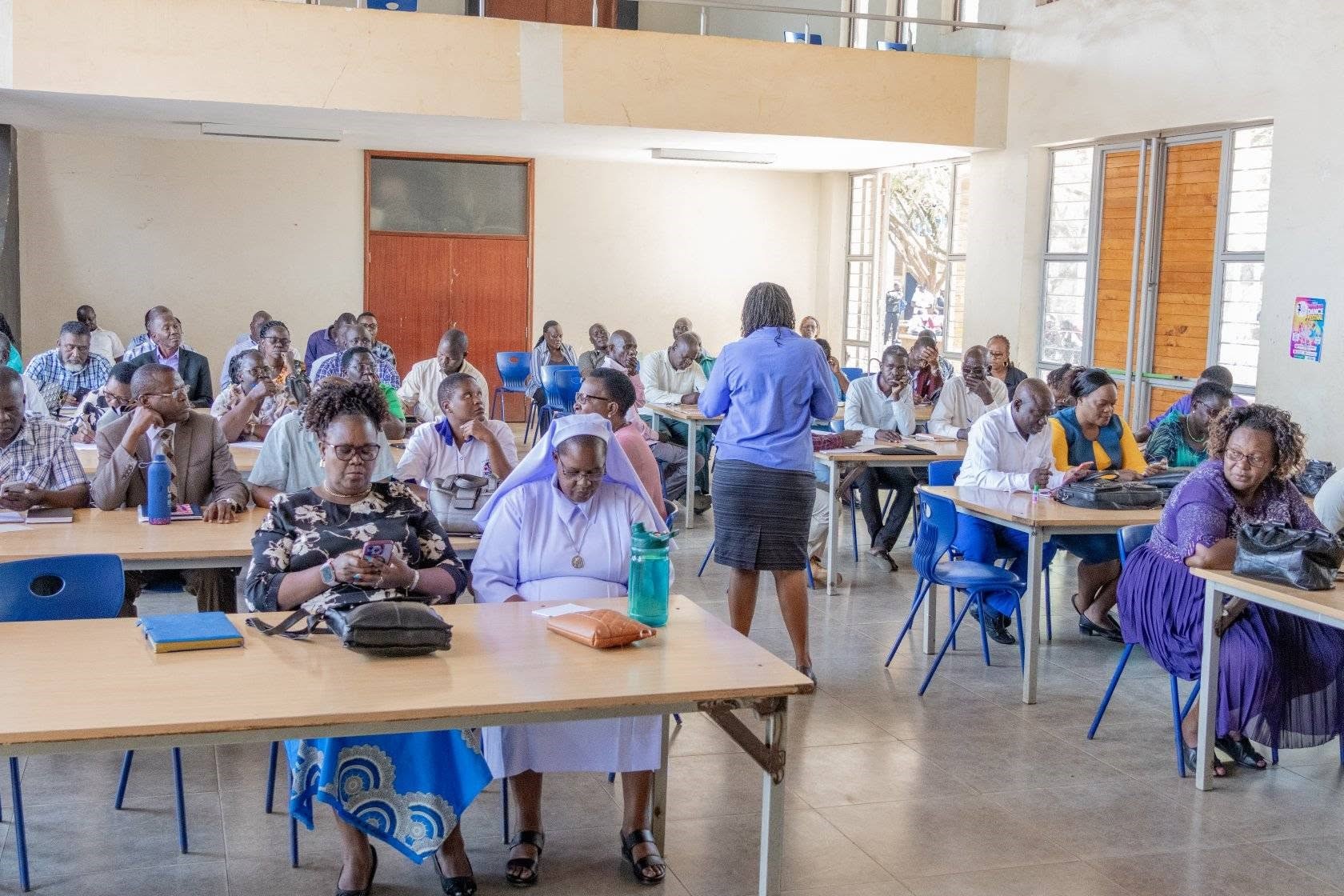
The committee is expected to continue receiving submissions from stakeholders before preparing its report and recommendations for debate and consideration by the National Assembly.
By Godfrey Wamalwa
You can also follow our social media pages on Twitter: Education News KE and Facebook: Education News Newspaper for timely updates.
>>> Click here to stay up-to-date with trending regional stories
>>> Click here to read more informed opinions on the country’s education landscape
>>> Click here to stay ahead with the latest national news.