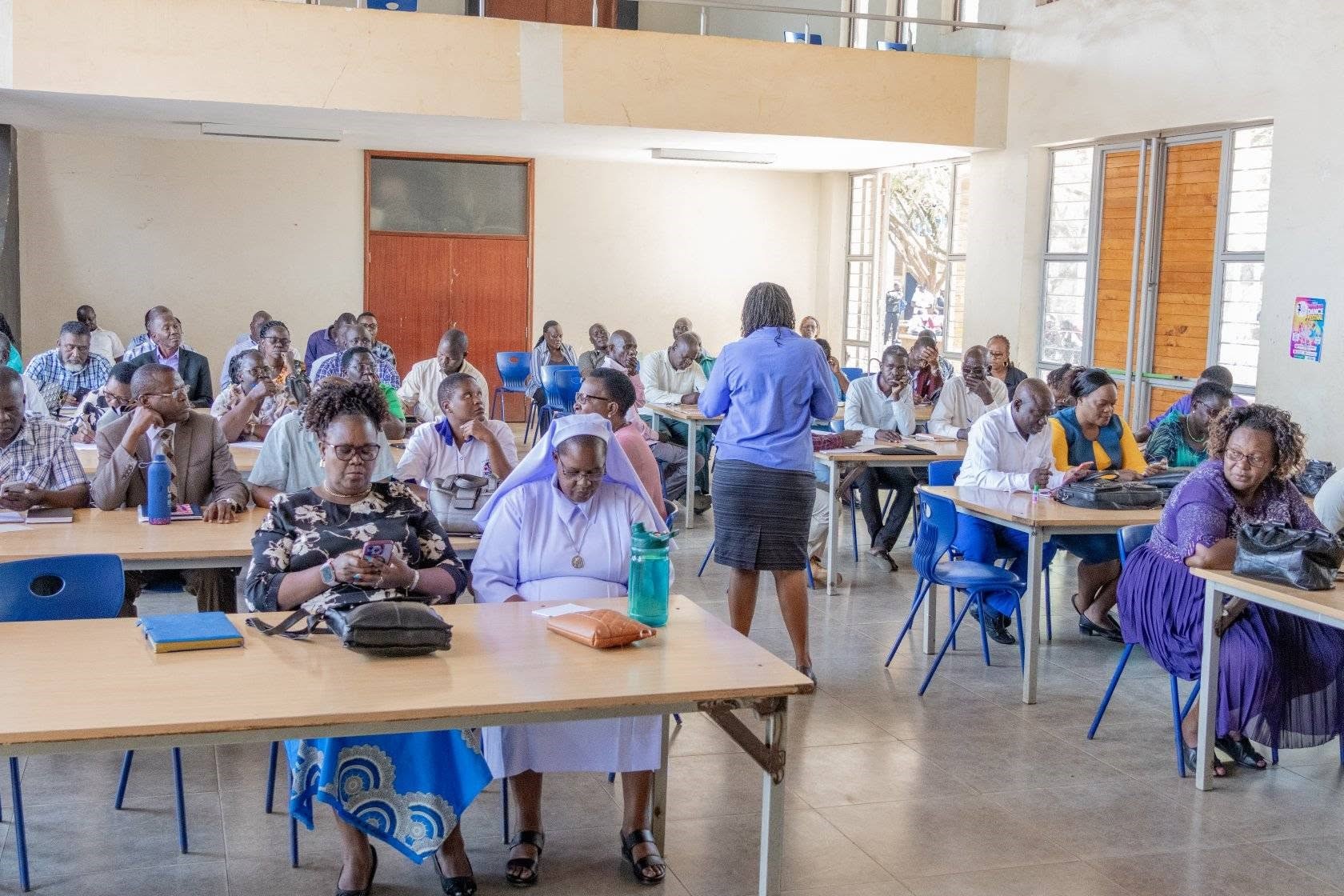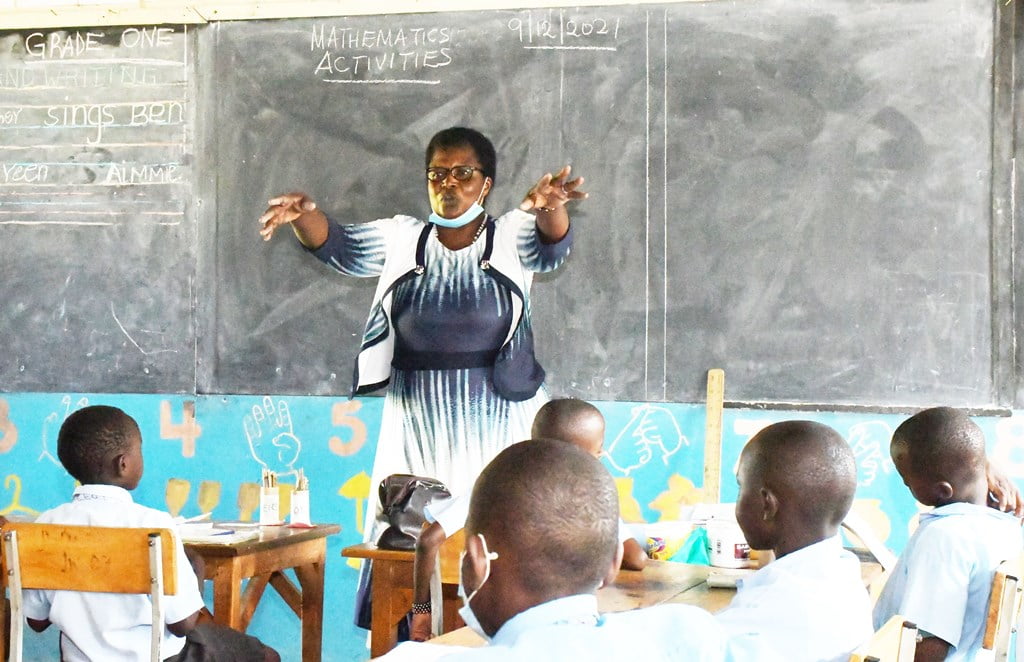
- Hillary Muhalya argues that a teacher’s appearance, organisation and professionalism speak long before the first lesson begins.
- He says neatness, preparation and personal discipline inspire respect, strengthen learning and shape the values learners carry throughout life.
Before a teacher greets the class with a cheerful “Good morning,” before the first question is asked, and even before a lesson begins, something important has already happened. Every learner in the classroom has formed a first impression. That impression is not based on the teacher’s qualifications, years of experience or academic achievements. It is based on what they see.
A teacher’s appearance is often the first lesson learners receive each day. It silently communicates discipline, responsibility, confidence and professionalism—or the absence of these qualities. This is why neatness is not merely about looking good. It is a reflection of character, self-respect and commitment to one of the noblest professions in the world.
Teaching is more than delivering content from textbooks. It is about shaping minds, nurturing values and preparing young people to become responsible citizens. Every teacher is a role model whose influence extends far beyond the classroom walls. Learners observe everything. They notice how their teachers dress, how they organise their books, how they write on the board, how they speak and even how they carry themselves. In many cases, learners imitate these habits without realising it.
Contrary to popular belief, neatness has nothing to do with expensive clothing or fashionable brands. A professional teacher does not need costly suits, luxury shoes or designer accessories to command respect. What truly matters is cleanliness, simplicity and order. Clean and well-maintained clothes, polished or tidy shoes, neatly groomed hair, proper personal hygiene and organised teaching materials speak volumes about a teacher’s standards.
When a teacher walks confidently into the classroom looking presentable and prepared, they send a powerful message without saying a single word: “I respect myself, I respect my learners, and I value my profession.” That silent message builds trust, creates authority and establishes a positive learning atmosphere from the very beginning of the lesson.
Professionalism begins with personal presentation
Neatness is equally reflected in preparation and organisation. A professional teacher keeps lesson plans ready, arranges learning materials systematically and ensures that the classroom promotes effective learning. Even something as simple as clear and legible handwriting on the chalkboard or whiteboard demonstrates attention to detail and concern for learners’ understanding. A well-organised classroom minimises distractions, encourages concentration and creates an environment where learners feel motivated to participate.
Research and everyday classroom experience continue to show that learners thrive in structured and orderly environments. When teachers consistently demonstrate organisation and discipline, learners are more likely to develop the same habits. They become more careful with their books, complete assignments on time, respect school rules and appreciate the value of order in both school and life.
Parents also pay close attention to professionalism. Whenever they visit schools, they unconsciously evaluate the learning environment through the people entrusted with their children. Teachers who are neat, organised and confident inspire reassurance. Their appearance communicates dedication, competence and accountability. Such professionalism strengthens the confidence parents have in the school and reinforces the partnership between home and the classroom.
Within the school community, neatness contributes to a positive professional culture. Colleagues naturally respect educators who consistently uphold high standards of appearance, organisation and conduct. A staff committed to professionalism enhances the reputation of the institution and creates an environment where excellence becomes the norm rather than the exception. Schools known for disciplined and professional teachers often enjoy greater public confidence because their standards are visible long before examination results are released.
The benefits of neatness extend beyond influencing others. Teachers themselves gain confidence when they present themselves professionally. Walking into class well-prepared and well-groomed creates a positive mindset, strengthens self-esteem and improves communication. Confidence is contagious. Learners are more likely to listen attentively, participate actively and respect teachers who project competence through both their knowledge and their presentation.
Leading by example
However, genuine professionalism goes beyond appearance. A neatly dressed teacher who lacks integrity, compassion, preparation or commitment cannot effectively inspire learners. Likewise, a highly knowledgeable teacher who neglects personal presentation risks diminishing the impact of their message. True professionalism combines excellent teaching, ethical conduct, respect for learners, continuous preparation and a neat, organised image that reflects pride in the profession.
The teaching profession carries enormous responsibility because teachers influence not only academic success but also attitudes, values and lifelong habits. Every interaction, every lesson and every personal example contributes to shaping future leaders, innovators, professionals and citizens. Young people rarely remember every topic they were taught, but they often remember the teachers who inspired them through their character, discipline and professionalism.
If teachers expect learners to wear clean uniforms, organise their exercise books, respect school rules, arrive on time and take pride in their work, they must first demonstrate those same qualities consistently. Leadership begins by example. The most powerful lessons are often those that are lived rather than spoken.
In an era where education is rapidly evolving and expectations of teachers continue to grow, professionalism remains one quality that will never go out of style. Technology may transform classrooms, curricula may change and teaching methods may evolve, but discipline, order and personal presentation will always distinguish exceptional educators from ordinary ones.
Every morning presents teachers with a fresh opportunity to teach before they even speak. A neat appearance, an organised classroom, prepared lessons and a confident smile create an atmosphere where learning flourishes and respect is earned naturally. These seemingly small habits leave lasting impressions that can influence learners for years to come.
Ultimately, your appearance is your first lesson, your organisation is your second, and your words become even more powerful because your actions have already earned the attention and respect of your learners. A neat teacher does far more than deliver knowledge—they model discipline, inspire excellence, build confidence and shape future generations through the quiet power of personal example.
READ ALSO: Senator Okenyuri petitions Senate over exclusion of JSS teachers from TSC promotion exercise
Professionalism is often seen before it is heard, and the teacher who embraces neatness every day inspires disciplined learners, earns lasting respect and leaves a legacy that extends far beyond the classroom.
By Hillary Muhalya
You can also follow our social media pages on Twitter: Education News KE and Facebook: Education News Newspaper for timely updates.
>>> Click here to stay up-to-date with trending regional stories
>>> Click here to read more informed opinions on the country’s education landscape
>>> Click here to stay ahead with the latest national news.