- Education experts say Kenya can strengthen Competency-Based Education by adapting, rather than copying, Finland’s education model.
- Curriculum flexibility, teacher welfare, school timetables and meaningful holidays are among the reforms proposed.
- Analysts argue that better learning outcomes depend on empowering teachers and reducing curriculum overload.
Kenya’s education system is at a crossroads as Competency-Based Education (CBE) advances into Junior and Senior School. At the same time, Finland continues to rank among the world’s top-performing education systems despite shorter school days, minimal homework and no national examinations until the end of basic education.
Education experts say Kenya does not need to copy Finland’s model but can adapt key principles that have contributed to its success. They point to curriculum development, school timetables, teacher welfare and the school calendar as areas that deserve attention.
In Finland, the national curriculum provides a broad framework. The Finnish National Agency for Education sets learning goals, while schools and teachers determine how best to achieve them based on local needs.
In Kenya, the curriculum is more detailed and centrally controlled, leaving teachers with limited flexibility to innovate.
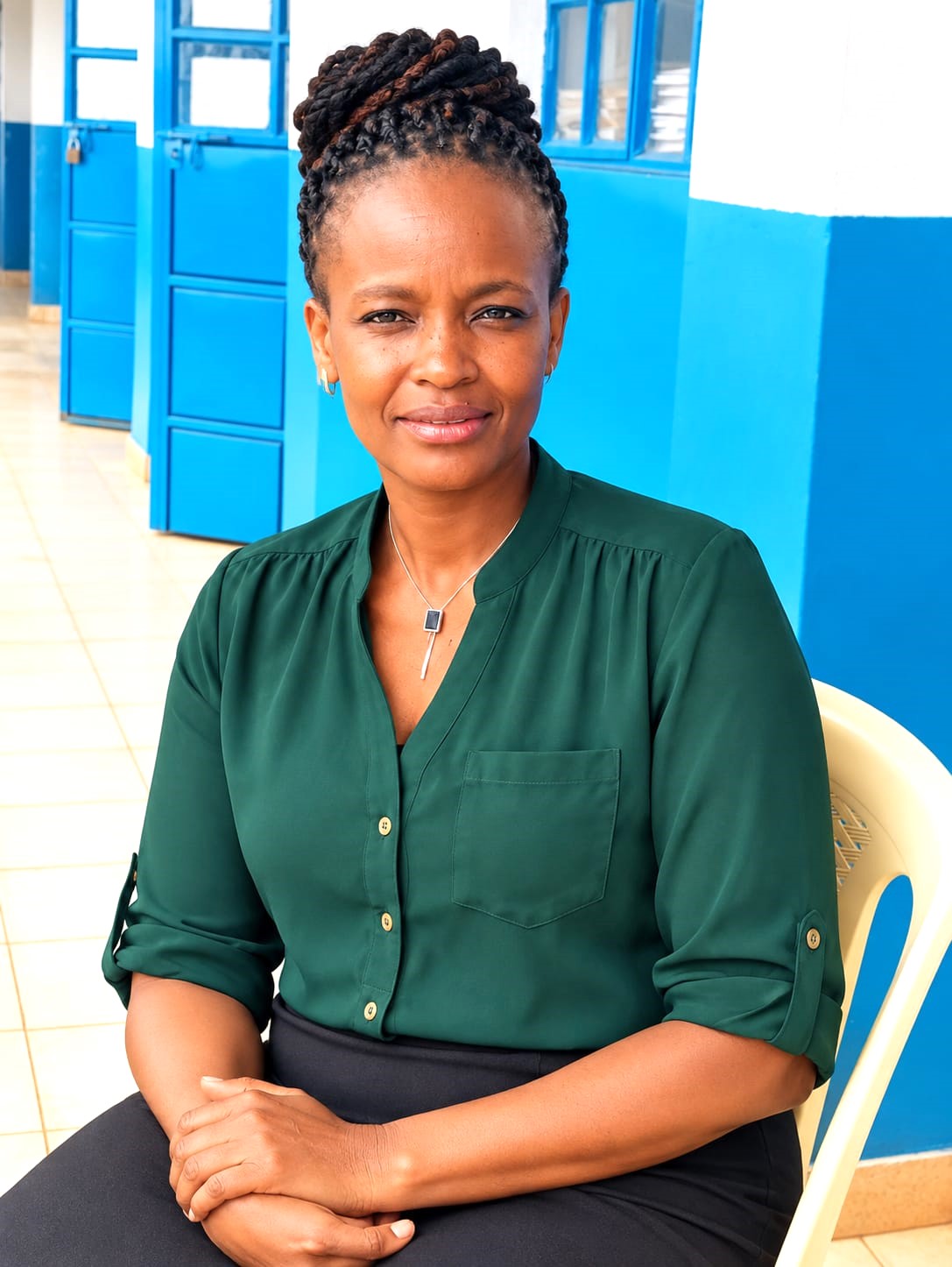
Dr Amina Yusuf, an education policy researcher at Morgan State University, said Kenya should place greater trust in teachers.
“We need to move from prescribing every activity to giving a competency framework and letting teachers design learning around local problems,” she said.
She noted that Finland’s phenomenon-based learning enables students to study real-life issues, such as climate change or entrepreneurship, across multiple subjects. Although Kenya’s CBE promotes integration, rigid timetables and examinations continue to reinforce subject-based teaching.
Teachers need greater support
A typical Finnish school day runs from 8.00 a.m. to 1.00 p.m. or 2.00 p.m. for younger learners, with a 15-minute break after every 45 minutes of learning. Homework is minimal, allowing learners more time to rest and play.
In contrast, many Kenyan secondary schools operate from 7.00 a.m. to 5.00 p.m., with evening preps and weekend tuition. Upper primary learners also experience long school days.
Joseph Ouma, a headteacher from Kisii who visited Finland, said adequate breaks improve concentration.
“When we remove breaks to finish the syllabus, we lose learning time because children are tired,” he said.
Finnish teachers spend about 600 hours a year in classroom instruction, with the remaining time dedicated to lesson planning, assessment and professional development. In Kenya, many teachers handle more than 30 lessons a week while also managing CBE assessments and projects.
Although Finland does not offer the highest teacher salaries in Europe, teaching remains one of the country’s most respected professions. Entry into teacher training is highly competitive, and teachers enjoy professional autonomy and continuous support.
Former Riokindo High School Principal Edward Wachilonga said Kenya should strengthen the teaching profession.
“Respect must come with good training, autonomy in class and decent working conditions. That is what keeps good people in the classroom,” he said.
Experts recommend strengthening teacher training colleges, introducing a structured mentorship year for newly employed teachers, expanding continuous professional development and improving housing and remuneration, particularly in rural areas.
School calendar also under review
Finnish schools have about 190 learning days each year, including a 10-week summer holiday, one-week autumn and winter breaks, and a two-week Christmas holiday. Teachers also use part of the holiday period for professional development.
Kenya’s school calendar has become more compressed in recent years, with many schools using holidays for remedial teaching and examination preparation, contributing to burnout among learners and teachers.
Education experts say Kenya should restore meaningful school holidays while dedicating part of teachers’ breaks to structured professional development rather than student coaching.
“A rested teacher in January will deliver better results than an exhausted teacher who taught through December,” Ouma noted.
Analysts caution that Kenya and Finland differ in population, resources and class sizes. However, they argue that Finland’s success demonstrates that education reforms are driven more by policy choices than by funding alone.
Among the proposals are pilot programmes allowing selected schools to develop local curriculum projects, a review of secondary school timetables to create teacher planning time, stronger teacher training and a school calendar that safeguards rest.
The experts conclude that Kenya can improve learning outcomes by reducing curriculum overload, promoting deeper learning, supporting teachers and creating a healthier balance between learning and rest.
READ ALSO: KNUT mounts fresh push for teachers’ welfare as union holds talks with new Education PS
“If we decide that children and teachers matter more than bureaucracy, then schools in Kisii, Bomachoge Borabu, Garissa and Kilifi can all succeed,” Dr Yusuf said. “We don’t need to become Finland. We need to become a better Kenya.”
By Enock Okong’o
You can also follow our social media pages on Twitter: Education News KE and Facebook: Education News Newspaper for timely updates.
>>> Click here to stay up-to-date with trending regional stories
>>> Click here to read more informed opinions on the country’s education landscape
>>> Click here to stay ahead with the latest national news.