Neurodevelopmental disability advocates have urged parents and caregivers to seek early intervention whenever developmental concerns arise, emphasizing that every child has a right to education, support services, and opportunities to reach their full potential.
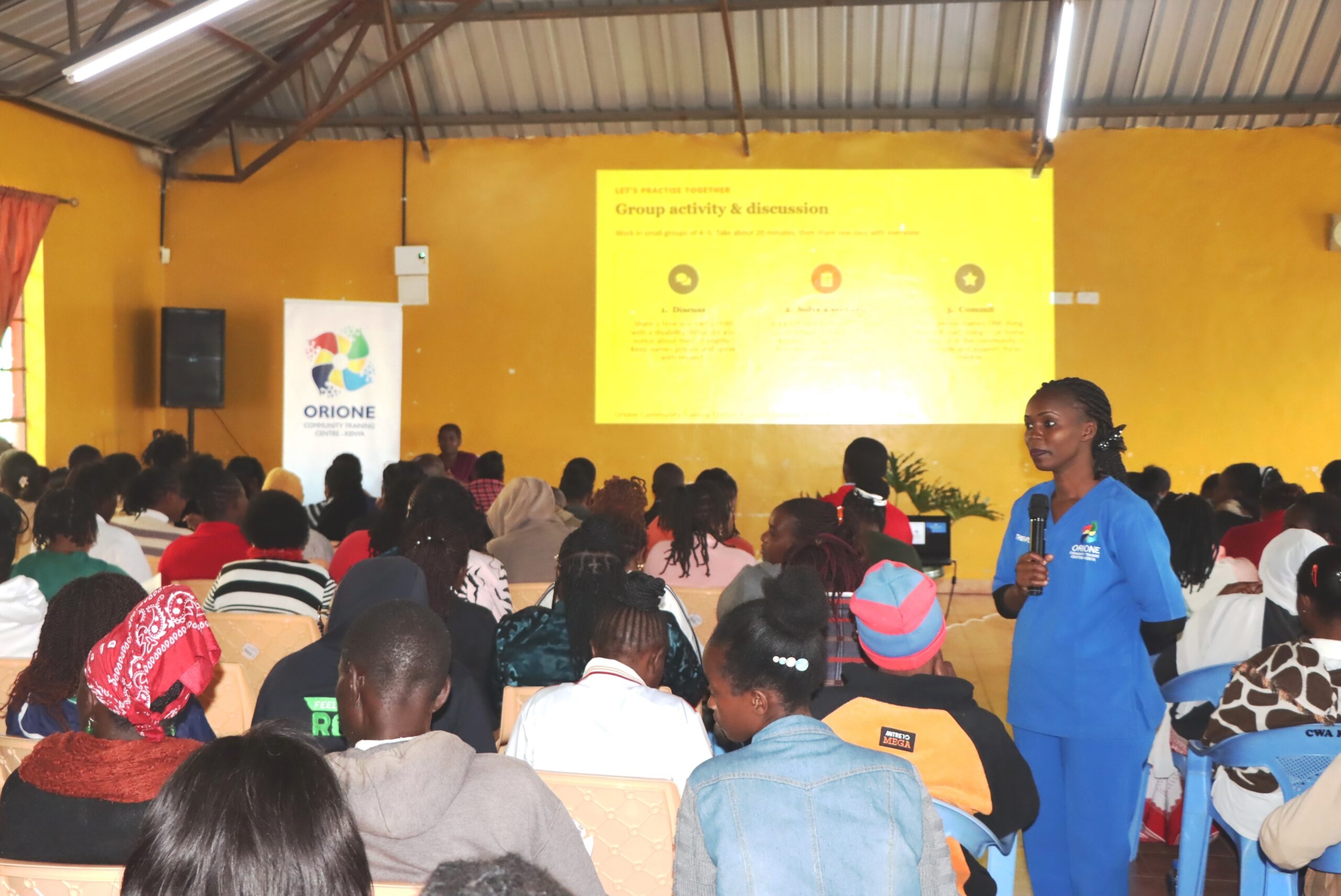
The call was made during a community workshop organized by Orione Community Training Centre (OCTC) Kenya; to mark World Autism Awareness Day 2026.
The event brought together parents, caregivers, teachers, students, community health workers, faith leaders, police officers, children, and other stakeholders at the centre’s premises in Ongata Rongai.
According to OCTC trainer Regina Mbugua, awareness of special needs remains low in many communities, with stigma continuing to affect both children and their families.
“Neurodevelopmental disabilities are a group of conditions that originate in childhood and affect brain development and functioning. In many cases, these conditions persist throughout a person’s lifetime,” she said.
Mbugua emphasized the importance of early diagnosis and intervention, noting that timely support can significantly improve developmental outcomes for affected children.
“Early intervention can help children reach their full potential and live as independently as possible,” she said, adding that access to education and support services should be guaranteed for all children regardless of their condition.
ALSO READ:
Utumishi Girls’ Principal breaks silence on deadly dorm fire
Gloria Wambua of the Strathmore University Law Clinic, which partnered in the initiative, said there is increasing interest in addressing policy and legislative gaps affecting persons with neurodevelopmental disabilities.
She revealed that the law clinic is developing Persons with Disability Handbook to provide guidance to communities, institutions, and stakeholders on disability inclusion and the rights of persons with disabilities.
Wambua added that the university is also championing inclusive education while supporting research and policy development aimed at improving services and opportunities for persons with disabilities.
The workshop focused on enhancing public understanding of neurodevelopmental disabilities and strengthening community support systems for affected children and their families.
ALSO READ:
Ngi’ya girls students champion protection of school infrastructure, condemn arson
Participants were taken through key topics including neurodevelopmental disabilities, caregiver empowerment, self-care for caregivers, advocacy and children’s rights, as well as communication and language development.
Mbugua said the programme was designed to equip participants with practical skills and knowledge to better support children with neurodevelopmental conditions while helping to reduce stigma and discrimination within communities.
According to UNICEF, neurodevelopmental disorders such as autism spectrum disorder, attention deficit hyperactivity disorder (ADHD), and intellectual disabilities affect an estimated 5 to 10 per cent of children globally. In 2019, approximately 317 million children and adolescents worldwide were reported to be living with health conditions associated with developmental disabilities.
The advocates expressed optimism that increased awareness, community engagement, and stronger support systems would help improve the quality of life for children with neurodevelopmental disabilities and their families.
By Obegi Malack
You can also follow our social media pages on Twitter: Education News KE and Facebook: Education News Newspaper for timely updates.
>>> Click here to stay up-to-date with trending regional stories
>>> Click here to read more informed opinions on the country’s education landscape