- Medicinal and culturally significant species will form part of the university’s ambitious tree-planting programme.
- Prof Josephine Ngaira says communities must preserve traditional forests, foods and medicines for future generations.
- The initiative also seeks to combine indigenous knowledge with modern science in addressing environmental challenges.
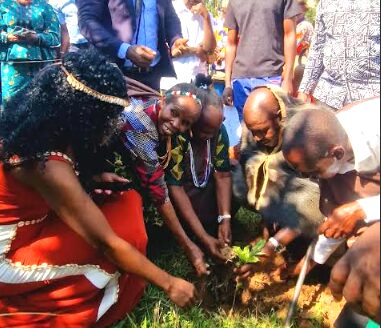
Masinde Muliro University of Science and Technology (MMUST) has announced plans to plant 130,000 indigenous trees across Western Kenya as the institution marked the International Day of the World’s Indigenous Peoples.
The tree-planting initiative will focus on indigenous species with medicinal and cultural value, including Markhamia lutea (Lusiola) and Croton megalocarpus (Musine).
The university said the programme is part of efforts to combat climate change, conserve biodiversity and protect local ecosystems while promoting the preservation of indigenous knowledge.
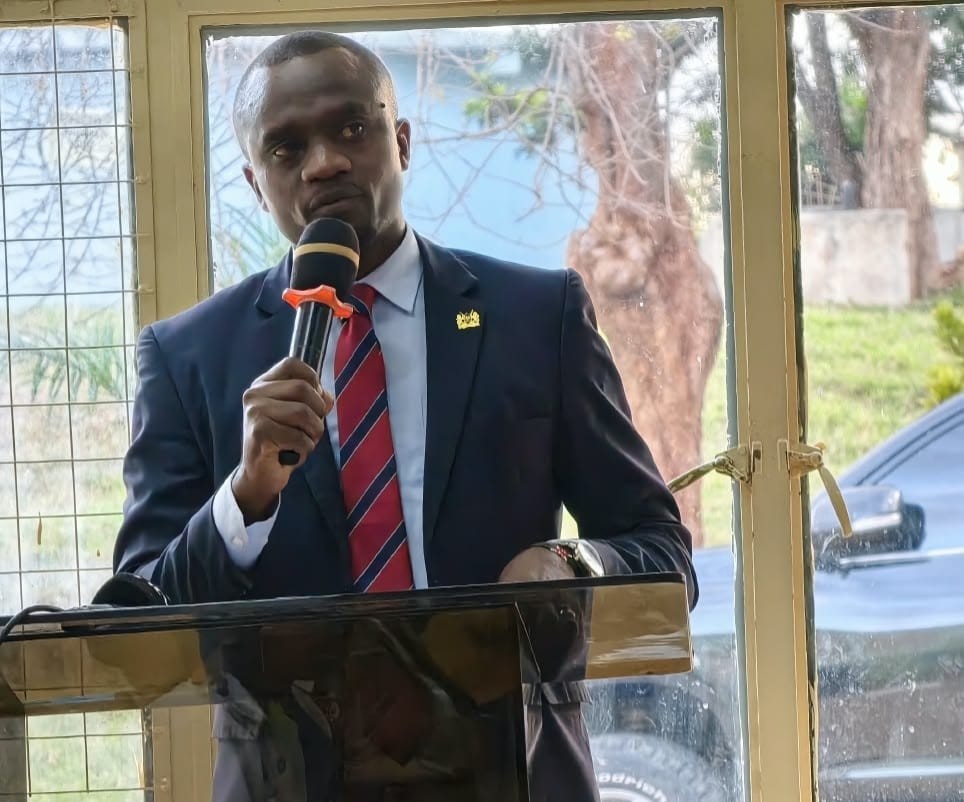
Speaking during the celebrations, Director of the Institute of Indigenous Knowledge, Cultural Studies and Climate Change Prof Josephine Ngaira said the university was seeking to empower communities to preserve indigenous forests, foods and medicines using modern approaches.
“One of the most important goals is to empower the local communities and the older generations to be able to protect our indigenous forests and our indigenous foods using modern methodologies,” she said.
Prof Ngaira said the institute was working to bridge the gap between modern science and indigenous knowledge and cultures.
She warned that valuable knowledge held by older generations was increasingly being lost as young people abandoned indigenous practices, including traditional methods of food preservation and the use of traditional medicines.
Honouring indigenous midwives
The celebrations focused on this year’s theme, “Honouring Indigenous Midwives: Safeguarding Life and Well-being.” The theme recognises indigenous midwives for their role as custodians of traditional knowledge and caregivers who help transfer knowledge between generations.
Traditional midwife Philis Mutei urged young people to embrace safe traditional family-planning practices and learn from indigenous health systems.
The event brought together indigenous communities and other stakeholders to showcase the importance of traditional knowledge and promote its integration with modern scientific approaches.
READ ALSO: Metered internet billing Bill is before Parliament: Here’s what it means for Kenyans and how they would pay
MMUST said the combination of indigenous knowledge and modern science could help communities protect their cultural heritage while developing practical solutions to environmental and social challenges.
By Kimutai Langat
You can also follow our social media pages on Twitter: Education News KE and Facebook: Education News Newspaper for timely updates.
>>> Click here to stay up-to-date with trending regional stories
>>> Click here to read more informed opinions on the country’s education landscape
>> Click here to stay ahead with the latest national news.