Ebola Virus Disease (EVD) remains one of the most dangerous infectious diseases to affect Africa. Since its discovery in 1976, multiple outbreaks have occurred across the continent, causing loss of life, economic disruption, pressure on healthcare systems, and social instability.
Recent outbreaks in the Democratic Republic of Congo (DRC) and Uganda have renewed concerns across East Africa, including Kenya, due to regional trade, travel, and cross-border movement.
Effects of Ebola in Africa
1. Health Impact
Ebola causes severe illness with high fatality rates. The current outbreak in the DRC has recorded hundreds of suspected cases and significant deaths, while health workers remain among the most vulnerable groups. The disease overwhelms healthcare systems, especially in regions with limited medical resources.
2. Economic Consequences
Outbreaks disrupt trade, tourism, transportation, and investment. Border restrictions and travel advisories often reduce business activities and affect livelihoods. Countries neighbouring affected regions may also experience economic losses even without recording local cases.
3. Social and Psychological Effects
Fear, stigma, misinformation, and panic frequently accompany Ebola outbreaks. Communities may avoid healthcare facilities, while survivors and affected families can face discrimination. Traditional burial practices have also contributed to disease transmission in some outbreaks.
4. Regional Security and Humanitarian Challenges
Conflict, displacement, and insecurity in affected regions make disease control more difficult. In eastern DRC, ongoing violence has complicated surveillance, treatment, and community engagement efforts.
Kenya’s Preparedness Against Ebola
Kenya has strengthened preparedness measures due to its proximity to affected countries and its role as a regional transport hub.
Key Preparedness Measures
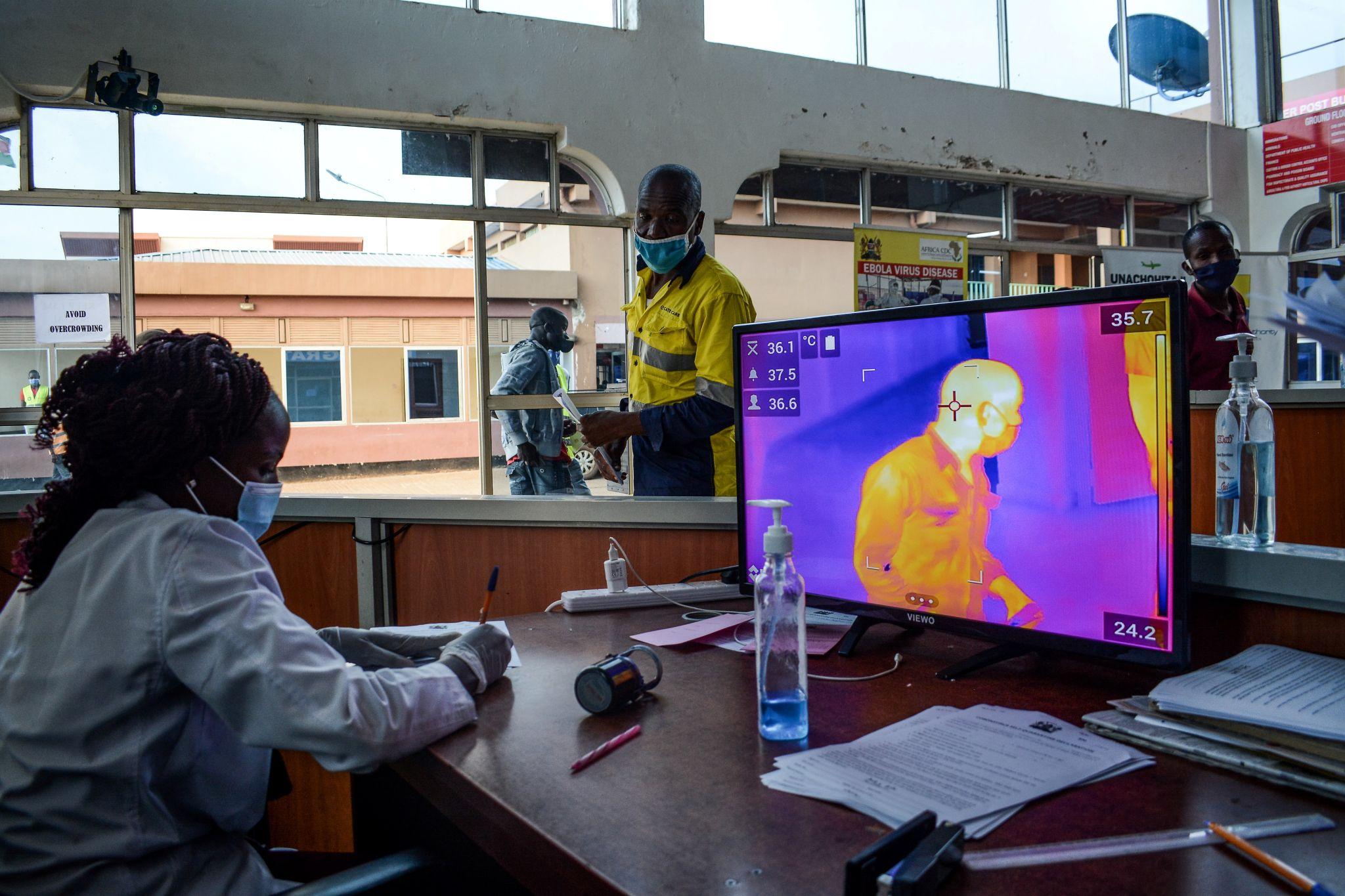
- Enhanced screening at major border points, including Busia, Malaba, Suam, and Jomo Kenyatta International Airport (JKIA).
- Activation of the Public Health Emergency Operations Centre (PHEOC) and emergency coordination systems.
- Deployment of Rapid Response Teams and trained healthcare personnel for emergency response.
- Strengthening laboratory capacity, including the establishment of local Ebola testing laboratories.
- Simulation-based training for healthcare workers and emergency response teams.
- Public awareness campaigns and enhanced surveillance at points of entry.
Despite these efforts, challenges remain, including shortages of specialised personal protective equipment (PPE), limited emergency transport resources, and the need for continuous funding and training.
My Recommendations
1. Strengthen Border Surveillance
Kenya should continue enhancing screening and monitoring systems at airports, land borders, and seaports to detect suspected cases early.
2. Increase Public Awareness
Government agencies, media organisations, and community leaders should intensify education campaigns to combat misinformation and encourage prompt reporting of symptoms.
3. Expand Healthcare Worker Training
Regular training and simulation exercises should be conducted to ensure healthcare workers can safely manage suspected Ebola cases.
4. Improve Medical Supplies and Infrastructure
The government should invest in additional PPE, isolation facilities, ambulances, and laboratory equipment to ensure rapid response capability.
5. Enhance Regional Cooperation
Kenya should strengthen collaboration with neighbouring countries, the World Health Organization (WHO), and regional health agencies to improve information sharing and coordinated outbreak response.
6. Increase Research and Emergency Funding
Sustainable funding should be allocated to disease surveillance, emergency preparedness, vaccine research, and outbreak response programmes.
Conclusion
Ebola continues to pose a serious public health threat in Africa, affecting healthcare systems, economies, and communities. While Kenya has made significant progress in preparedness through strengthened surveillance, laboratory capacity, emergency response teams, and border controls, continued investment and vigilance remain essential.
Effective preparedness, public awareness, and regional cooperation will be critical in preventing future outbreaks and protecting public health.
READ ALSO: Former principal links student unrest to parenting and societal breakdown
Recent reports show that Kenya has further increased Ebola surveillance and emergency response measures due to outbreaks in the DRC and Uganda, including expanded laboratory testing capacity and reinforced border screening.
By Onwonga Yabesh
You can also follow our social media pages on Twitter: Education News KE and Facebook: Education News Newspaper for timely updates.
>>> Click here to stay up-to-date with trending regional stories
>>> Click here to read more informed opinions on the country’s education landscape