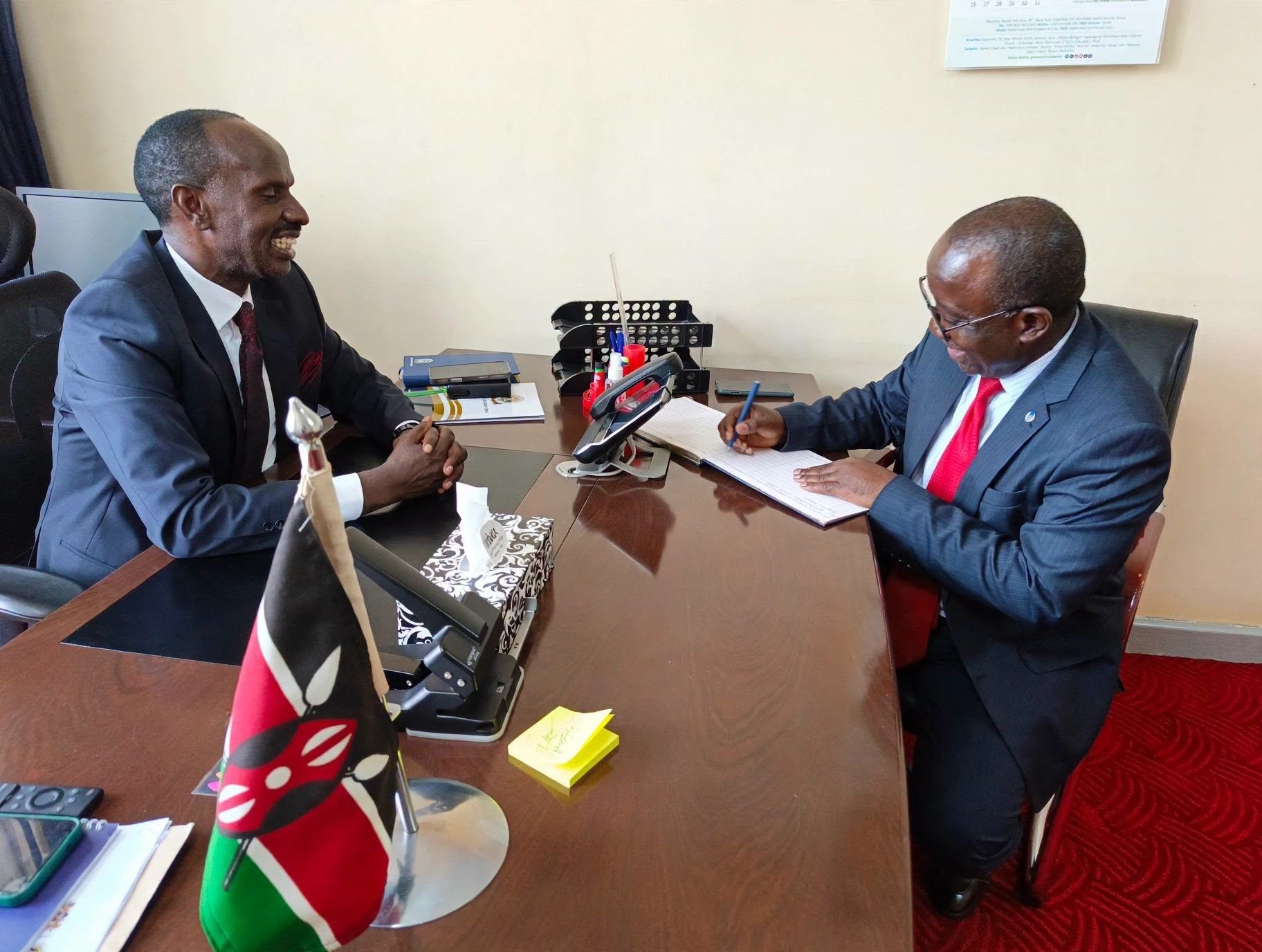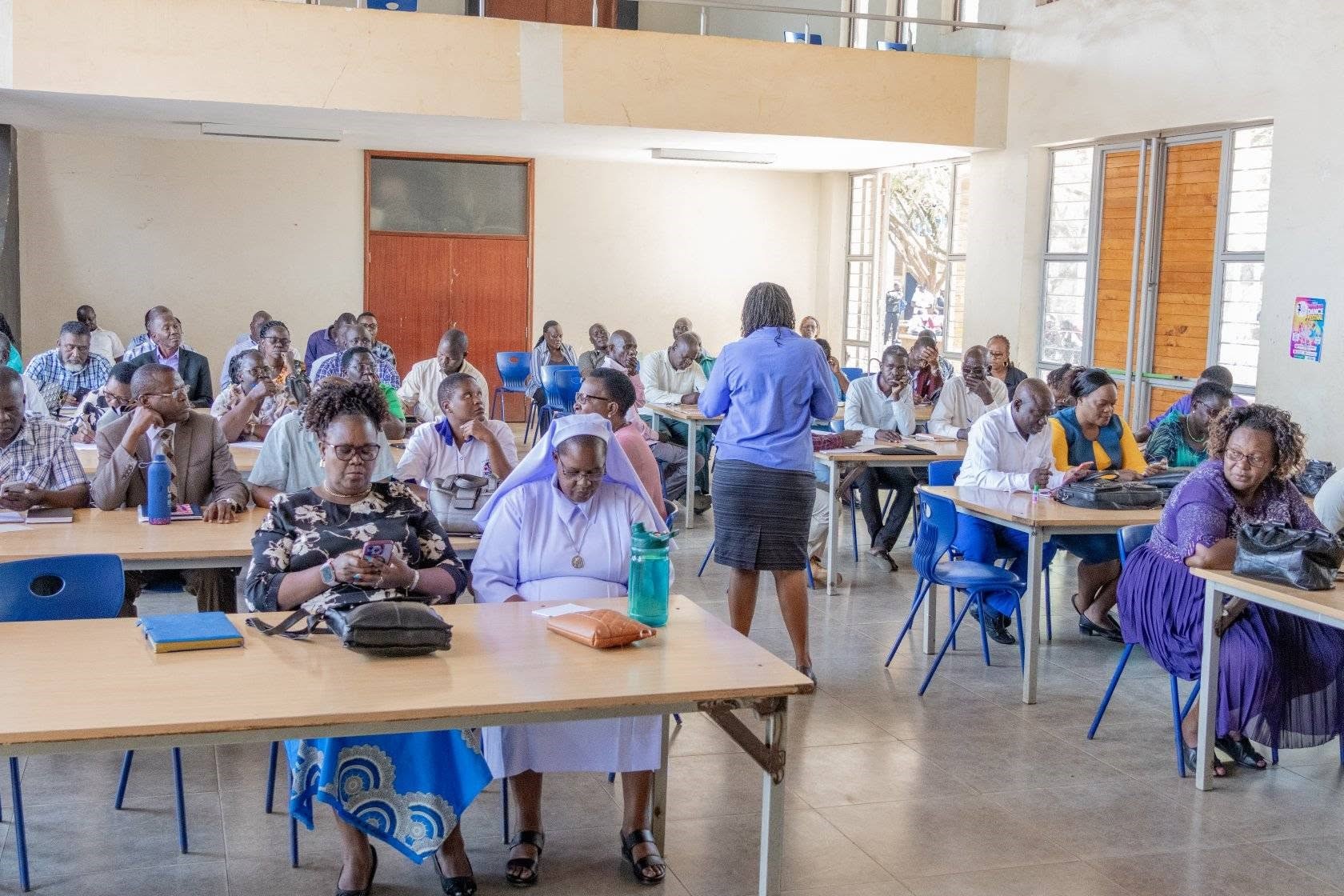
- Teachers’ unions have faced growing scrutiny over their effectiveness in representing educators, with many members questioning whether they still serve as the true voice of teachers.
- Kenyan teachers have experienced prolonged career stagnation, limited promotions, and rising workloads, prompting calls for stronger advocacy, transparent leadership, and fair remuneration from unions.
- Labour scholars and union leaders have emphasized that rebuilding trust, ensuring accountability, and combining constitutional rights with evidence‑based negotiations are essential for unions to remain relevant in protecting teachers’ welfare.
“The labour movement was the principal force that transformed misery and despair into hope and progress.” — Martin Luther King Jr.
A trade union is not merely an organisation that collects membership subscriptions. It is the collective voice of workers, established to protect their rights, negotiate better terms of service, defend their dignity, and improve their welfare. At its best, a union stands between the employee and exploitation. It gives workers a seat at the table where critical decisions affecting their livelihoods are made.
In Kenya, the Constitution of Kenya, 2010, under Article 41, guarantees every worker the right to fair labour practices. It further grants every worker the freedom to form, join, and participate in the activities of a trade union. This constitutional right is reinforced by the Labour Relations Act, 2007, which provides the legal framework for the registration, management, and operation of trade unions, collective bargaining, and the settlement of labour disputes. The Employment Act, 2007 also safeguards employees against unfair labour practices and promotes decent working conditions.
For teachers, unions such as the Kenya Union of Post Primary Education Teachers (KUPPET) were established to champion their professional and economic interests. Teachers faithfully pay union dues every month with the expectation that their concerns will be forcefully represented before employers and policymakers.
Yet an uncomfortable question continues to echo across staffrooms: Are teachers receiving the level of representation they deserve?
For years, thousands of teachers have experienced prolonged career stagnation. Many remain in the same job group despite acquiring higher academic qualifications, demonstrating exemplary performance, and serving diligently for decades. Promotion opportunities remain limited, workloads continue to increase, and the cost of living steadily erodes teachers’ purchasing power. These realities naturally invite scrutiny of the effectiveness of union advocacy.
Trade unions cannot solve every challenge facing the teaching profession. Budgetary limitations, government policy, and economic conditions all influence negotiations. Nevertheless, members are justified in expecting consistent, strategic, and transparent advocacy from the organisations entrusted with protecting their welfare.
ALSO READ:
UASU orders varsities to stop hiring part‑time lecturers, demands full‑time recruitment
Leadership is another issue attracting public debate. Many teachers ask whether union leadership should remain closely connected to classroom practice. While Kenyan labour law does not generally require union officials to be actively teaching in classrooms, there is a compelling argument that leaders who remain closely engaged with everyday teaching realities may better appreciate the challenges facing their members. Ultimately, what matters most is not whether leaders stand before learners each morning but whether they remain accessible, accountable, informed, and committed to the interests of those they represent.
Transparency and accountability are equally essential. Union members deserve regular communication about negotiations, prudent management of union resources, and meaningful opportunities to participate in decision-making. Trust flourishes where leaders remain answerable to the membership they serve.
Labour scholar Richard B. Freeman observed that unions provide workers with “a collective voice.” When that voice grows faint or disconnected from members’ concerns, confidence inevitably diminishes. A healthy union welcomes constructive criticism because accountability strengthens—not weakens—its legitimacy.
Teachers are not asking for privilege. They seek fairness. They seek timely promotions, competitive remuneration, better working conditions, continuous professional development, and recognition of their contribution to national development. These expectations align with the spirit of the Constitution and the principles of decent work promoted internationally by the International Labour Organisation.
As Nelson Mandela wisely reminded us, “Education is the most powerful weapon which you can use to change the world.” If education is the engine of national development, then teachers are its driving force. Their welfare cannot be treated as an afterthought.
The conversation about teachers’ unions should therefore not become one of blame but one of renewal. Union leaders, government, employers, and teachers themselves share the responsibility of strengthening labour representation. Constructive engagement, transparency, democratic leadership, and evidence-based negotiations can restore confidence where it has weakened.
ALSO READ: UASU threatens nationwide lecturers’ strike over CBA arrears
Perhaps the greatest challenge facing teachers’ unions today is not simply negotiating the next Collective Bargaining Agreement. It is rebuilding trust among the very teachers whose voices they were created to amplify.
The future of the teaching profession depends not only on better policies but also on stronger, accountable, and responsive unions that place the welfare of teachers above every other interest. Kenyan teachers deserve nothing less.
By Astiba Kebongo. jackiekebongo@gmail.com
You can also follow our social media pages on Twitter: Education News KE and Facebook: Education News Newspaper for timely updates.
>>> Click here to stay up-to-date with trending regional stories
>>> Click here to read more informed opinions on the country’s education landscape