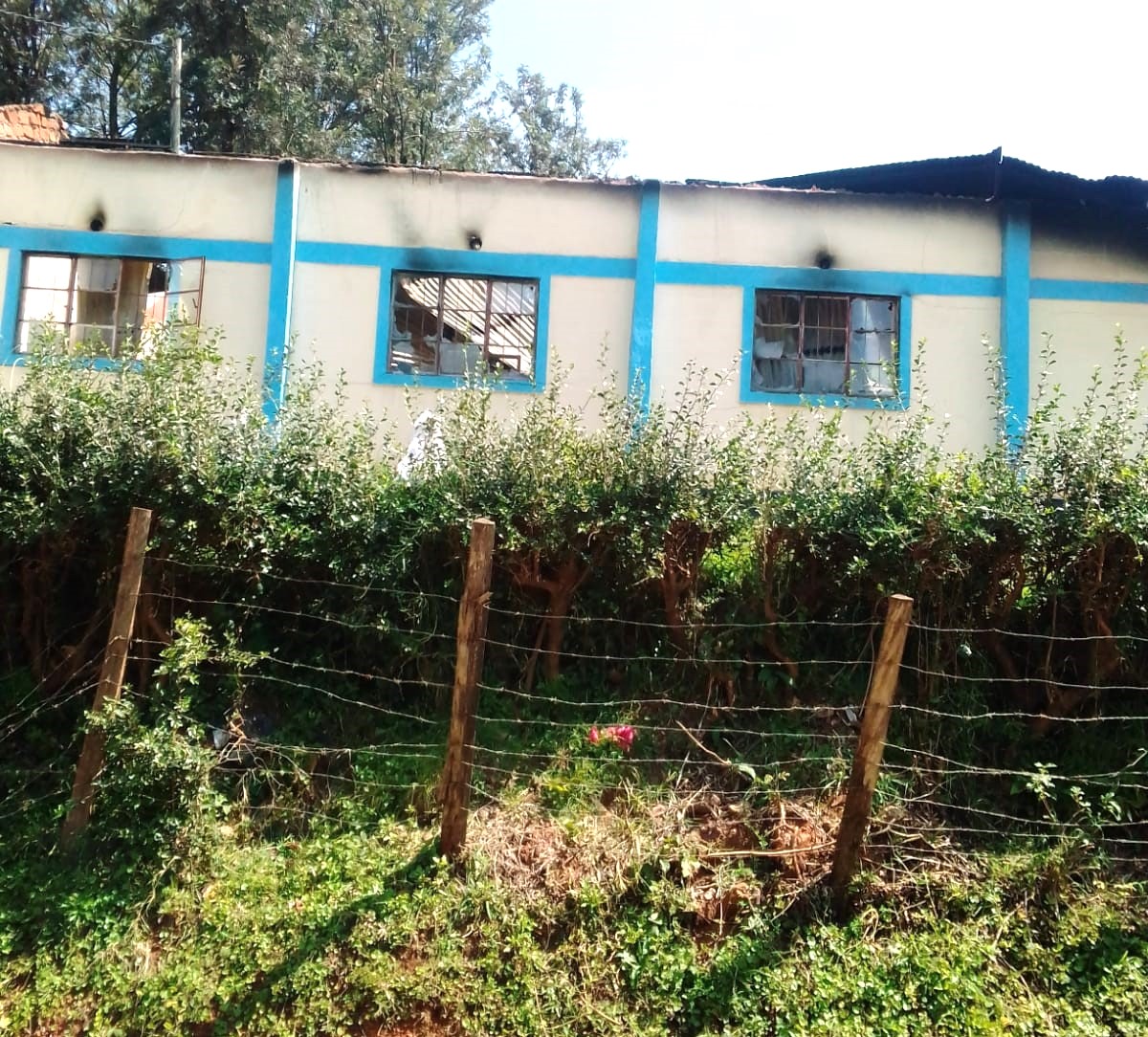
School arsons have become a recurring threat to education in Kenya. When dormitories burn, students lose property, learning is disrupted, and lives are sometimes lost.
Stopping the escalation requires the government, schools, parents, and students to act on multiple fronts at once, using past tragedies as warnings rather than points for counter-accusations.
Lessons from past tragedies
Kenya’s history has several fires that still stand as warnings because they were never fully resolved.
On 26 March 2001, 67 students died at Kyanguli Secondary School in Machakos when a dormitory was locked from the outside and set ablaze. Two students were convicted, but questions about adult involvement and negligence were never fully answered. The tragedy led to the 2008 Safety Standards Manual for Schools, yet enforcement remains uneven across the country.
On 31 January 2012, a dormitory fire at Bombolulu Secondary School in Mombasa killed eight students and injured dozens. Police said they were investigating arson, but more than a decade later no public report has named and prosecuted the perpetrators.
On 2 September 2017, a dormitory fire at Moi Girls High School in Nairobi killed 10 students. A student was charged, but wider questions about mental health support, bullying, and missed warning signs were never addressed through a public inquiry.
These unresolved cases create the perception that arson is consequence-free.
The Utumishi Girls tragedy
The most recent devastating case occurred at Utumishi Girls Academy, where a dormitory fire killed 16 girls.
The scale of the loss makes it clear that the failures seen at Kyanguli and Bombolulu have not been fully addressed.
If the investigation into Utumishi is treated like past cases—left inconclusive, without a public report or meaningful reforms—it will signal to students that burning dormitories carries little risk.
Unless the case is followed through seriously, with prosecution where evidence exists and a public audit of failures in infrastructure, supervision, and early warning systems, more schools could face similar tragedies.
Strengthening school safety
Preventing these fires starts with fixing the physical conditions that make them deadly.
Most arsons occur at night in boarding schools where supervision is weak. Installing perimeter fencing, motion-sensor lighting, and CCTV cameras around dormitories makes it harder for outsiders to enter and for students to move unnoticed.
Dormitories should use fire-resistant materials, have multiple emergency exits, and maintain serviced fire extinguishers. Random night checks by trained watchmen and dormitory masters can also reduce opportunities for students to gather flammable materials.
Audits should use Kyanguli, Bombolulu, and Utumishi as benchmarks for what happens when these measures are missing.
Discipline and early warning systems
Discipline and early warning systems matter just as much.
Many arsons are linked to unresolved grievances about food, workload, punishment, or bullying. Schools need functional channels through which students can raise concerns without fear of victimisation.
Suggestion boxes, anonymous reporting lines, and regular class meetings with teachers can provide early warning signs. Teachers and counsellors trained to identify anger, substance abuse, or other behavioural concerns can intervene before frustration turns into destruction.
When students believe they have a voice, they are less likely to resort to arson.
Accountability and legal action
Legal action must also be swift and visible.
When arsonists are arrested and prosecuted quickly, it sends a deterrent message. The government should prioritise investigations by deploying forensic experts to collect evidence from fire scenes.
Cases involving minors should be handled through the juvenile justice system but should still result in appropriate consequences such as rehabilitation, community service, or restitution.
Publicising outcomes, without sensationalising them, helps reduce the perception that students can burn schools and walk free.
Addressing root causes
Root causes linked to policy and funding cannot be ignored.
Overcrowding, delayed capitation, and poor facilities fuel resentment. The Ministry of Education should ensure timely disbursement of funds so schools can pay suppliers, feed students adequately, and maintain infrastructure.
Limiting class and dormitory sizes to manageable numbers can reduce tension, while reviewing the school calendar may help lower student burnout.
Parents must be involved beyond fee payment through regular engagement on learner behaviour and school expectations. Every sub-county should also have access to school counsellors and mental health services, giving learners safer outlets for their frustrations.
Turning tragedy into prevention
Curbing school arsons depends on using the deadliest cases as tools for prevention, not as ammunition for blame.
Utumishi Girls Academy, Bombolulu, Kyanguli, and Moi Girls Nairobi show exactly where the system fails.
READ ALSO: Former principal links student unrest to parenting and societal breakdown
If these cases are investigated seriously and their findings translated into mandatory safety and supervision reforms, the trend can be reversed.
If they are not, the next fire may only be a matter of time.
By Enock OKong’o
You can also follow our social media pages on Twitter: Education News KE and Facebook: Education News Newspaper for timely updates.
>>> Click here to stay up-to-date with trending regional stories
>>> Click here to read more informed opinions on the country’s education landscape