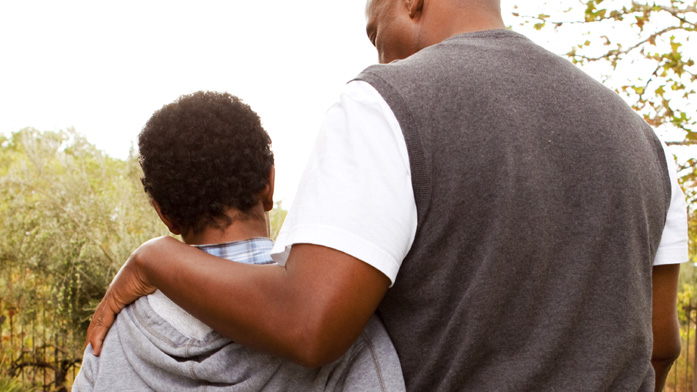
Many parents today are losing their children not because they fail to provide food, school fees, clothing, or shelter, but because they do not fully understand the emotional, mental, social, and spiritual needs of the generation they are raising.
Modern parenting has become more complicated than simply providing material needs. A child may sleep in a good house, attend a good school, dress well, and still suffer silently from emotional neglect, loneliness, pressure, anger, confusion, or lack of connection with the people closest to them.
Across many homes today, there is a growing invisible gap between parents and children. The breakdown is not always physical. In many cases, it is emotional. Families sit together in the same house yet remain disconnected from one another.
Communication has weakened. Listening has reduced. Patience has diminished. Many children are growing up feeling misunderstood, unheard, judged, compared, controlled, or emotionally wounded.
This is one of the major reasons many youth today are increasingly resisting correction from parents, teachers, religious leaders, and society in general.
ALSO READ:
New TSC directors take over in West Pokot as KUPPET applauds smooth transition
Discipline without love creates fear, bitterness, rebellion, emotional wounds, and sometimes lifelong resentment. Children, especially teenagers, do not only need correction. They need understanding, communication, mentorship, patience, affection, guidance, emotional safety, and a sense of belonging.
Correct a child with wisdom and love, and they are more likely to respect you. Correct them constantly with insults, humiliation, violence, intimidation, shouting, threats, and uncontrolled anger, and you may slowly create silent enmity inside their hearts.
Many young people today are not necessarily rejecting correction itself. Some are rejecting the manner in which correction is delivered. There is a huge difference between discipline that builds and punishment that destroys dignity.
A teenager is not a machine to be controlled through fear alone. Adolescence is one of the most delicate stages of human development. It is a period filled with emotional changes, identity struggles, curiosity, peer pressure, insecurity, confusion, self-discovery, social comparison, and emotional sensitivity. During this stage, youths require guidance more than intimidation.
Unfortunately, many parents only speak to their children when angry. Conversations revolve around mistakes, poor performance, disrespect, house chores, discipline, or complaints. Some homes have become correction centers instead of safe emotional spaces. A child who is constantly shouted at eventually stops opening up emotionally.
Some children are silently carrying emotional wounds caused by harsh words spoken repeatedly by parents, teachers, or guardians. Others grow up under endless comparisons: “Why can’t you be like your cousin?” “Your brother performs better than you.” “You will never succeed.” “You are useless.” Such statements slowly damage self-esteem and create emotional distance.
Many youth today are therefore developing resistance toward authority because they associate authority with humiliation instead of guidance.
ALSO READ:
Ingotse High recalls football players after the strike ahead of Navakholo KSSSA games
Technology and social media have also transformed the mindset of the younger generation. Teenagers today are exposed to countless opinions, lifestyles, influencers, celebrities, and ideas every single day. They no longer depend entirely on parents or teachers for information. Unfortunately, this exposure sometimes makes them question traditional authority, cultural expectations, and correction methods.
Some online platforms glorify defiance, arrogance, materialism, violence, immorality, and disrespect toward elders. Others portray parents and teachers as outdated, oppressive, or irrelevant. A young person who spends hours consuming such content may gradually begin resisting guidance at home or in school.
Peer pressure has also intensified. Many youth fear rejection more than consequences. They desperately want acceptance, identity, recognition, and belonging. If they fail to receive emotional support at home, they may seek validation from dangerous friendships, gangs, drugs, unhealthy relationships, criminal groups, or toxic online communities.
Some children run away emotionally before they physically leave home. Others isolate themselves silently in bedrooms, phones, or social media because home no longer feels emotionally safe.
The weakening of family bonds has further worsened the problem. In many homes today, quality time has disappeared. Parents are overwhelmed by economic pressure, work demands, stress, and personal struggles.
Some fathers are physically present but emotionally absent. Some mothers are emotionally exhausted. Some parents rarely sit down with their children to simply talk, laugh, listen, advise, or understand what is happening in their lives.
As a result, many youths grow up without deep emotional attachment to the very people trying to correct them.
The problem has also extended into schools. Teachers today face increasing difficulty handling learners because some students no longer value authority, discipline, patience, or accountability. In some cases, parents openly undermine teachers in front of children.
When a child is corrected at school, some parents immediately attack the teacher without first investigating the matter objectively. This weakens respect for educators and empowers indiscipline.
ALSO READ:
Laikipia University mourns renowned scholar Dr. Florence Opondo
Additionally, many teachers themselves are overwhelmed by large classrooms, heavy workloads, emotional burnout, changing educational systems, and limited support structures. Some educators respond harshly due to frustration, stress, or fatigue. When correction lacks empathy, learners may react with defiance, anger, or emotional withdrawal.
The rise of substance abuse among youths has also contributed significantly to rebellion and resistance toward correction. Alcohol, drugs, and harmful substances distort judgment, increase aggression, weaken self-control, and damage emotional stability. A youth struggling with addiction often becomes defensive, hostile, secretive, or disrespectful toward authority figures.
Mental health challenges are another hidden factor. Many young people today are battling depression, anxiety, loneliness, emotional trauma, identity confusion, academic pressure, cyberbullying, and fear about the future. Unfortunately, some adults mistake emotional distress for stubbornness or laziness. A hurting child may not always express pain openly. Sometimes the pain appears through anger, silence, withdrawal, disrespect, or rebellion.
This does not mean parents and teachers should stop correcting children. Boundaries, accountability, values, discipline, and guidance remain essential in raising responsible individuals. However, correction must aim at building the child rather than crushing their spirit.
Parents and teachers must learn to listen before reacting. They must communicate calmly, understand emotional changes in teenagers, spend quality time with children, affirm them with encouraging words, and guide instead of only threatening.
A home filled only with fear eventually becomes emotionally cold.
Children who feel understood are easier to guide. Children who feel loved are easier to correct. Children who trust adults are more likely to seek help before making dangerous decisions.
ALSO READ: Homa Bay mourns Ratang’a principal Mildred Ngesa
Fathers and mothers must intentionally build relationships with their children early enough. Respect is not sustained through fear alone. Strong relationships create trust, openness, and emotional security. A child who feels emotionally safe at home is less likely to seek dangerous alternatives outside.
Society must also rethink how it approaches the younger generation. Today’s youths are growing up in a world filled with intense competition, digital pressure, unemployment fears, identity struggles, moral confusion, and constant exposure to information. They need mentorship more than condemnation. They need guidance more than constant criticism.
Religious institutions, schools, communities, and families must work together to restore values, emotional connection, mentorship, responsibility, spirituality, and healthy communication.
The biblical wisdom in Bible remains deeply relevant today: “Fathers, do not provoke your children to wrath, but bring them up in the training and admonition of the Lord.” — Epistle to the Ephesians 6:4.
Another timeless truth reminds us: “A soft answer turns away wrath…” — Book of Proverbs 15:1.
Many parents today are trying to control children they never truly built relationships with. Yet genuine influence grows where trust, communication, understanding, consistency, prayer, wisdom, patience, love, and emotional presence exist.
The solution to the teenage dilemma is therefore not found in harsher punishment alone. It lies in intentional parenting, emotional intelligence, mentorship, spiritual grounding, guidance, responsible correction, and rebuilding strong relationships within homes.
A child may forget many lectures, punishments, or arguments. But they rarely forget how adults made them feel.
And sometimes, the greatest form of discipline is not shouting louder — but loving wiser.
By Hillary Muhalya
You can also follow our social media pages on Twitter: Education News KE and Facebook: Education News Newspaper for timely updates.
>>> Click here to stay up-to-date with trending regional stories
>>> Click here to read more informed opinions on the country’s education landscape