- Hillary Muhalya examines how sophisticated drug trafficking networks are targeting schools and calls for stronger prevention, counselling and law enforcement to protect learners.
- Learning institutions are increasingly becoming targets for sophisticated drug trafficking networks.
- Experts are calling for stronger collaboration among schools, parents, security agencies and communities to protect learners.
- As the world marks World Drug Day, stakeholders say prevention, counselling and intelligence-led interventions are critical to safeguarding schools.
Today, June 26, the world marks the International Day Against Drug Abuse and Illicit Trafficking, commonly known as World Drug Day.
The annual observance seeks to raise awareness of the devastating effects of drug abuse while mobilizing governments, communities, families and institutions to strengthen prevention, treatment and rehabilitation efforts.
For Kenya, this year’s commemoration should serve as a sobering reminder that one of the most dangerous frontlines in the fight against drugs is no longer confined to streets and entertainment venues—it is increasingly found within learning institutions.
Schools, colleges and universities, once regarded as safe havens for learning and character formation, have become attractive targets for sophisticated drug trafficking networks seeking to recruit a new generation of users.
Drug abuse within learning institutions has evolved from isolated incidents involving a few learners into a sophisticated criminal enterprise.
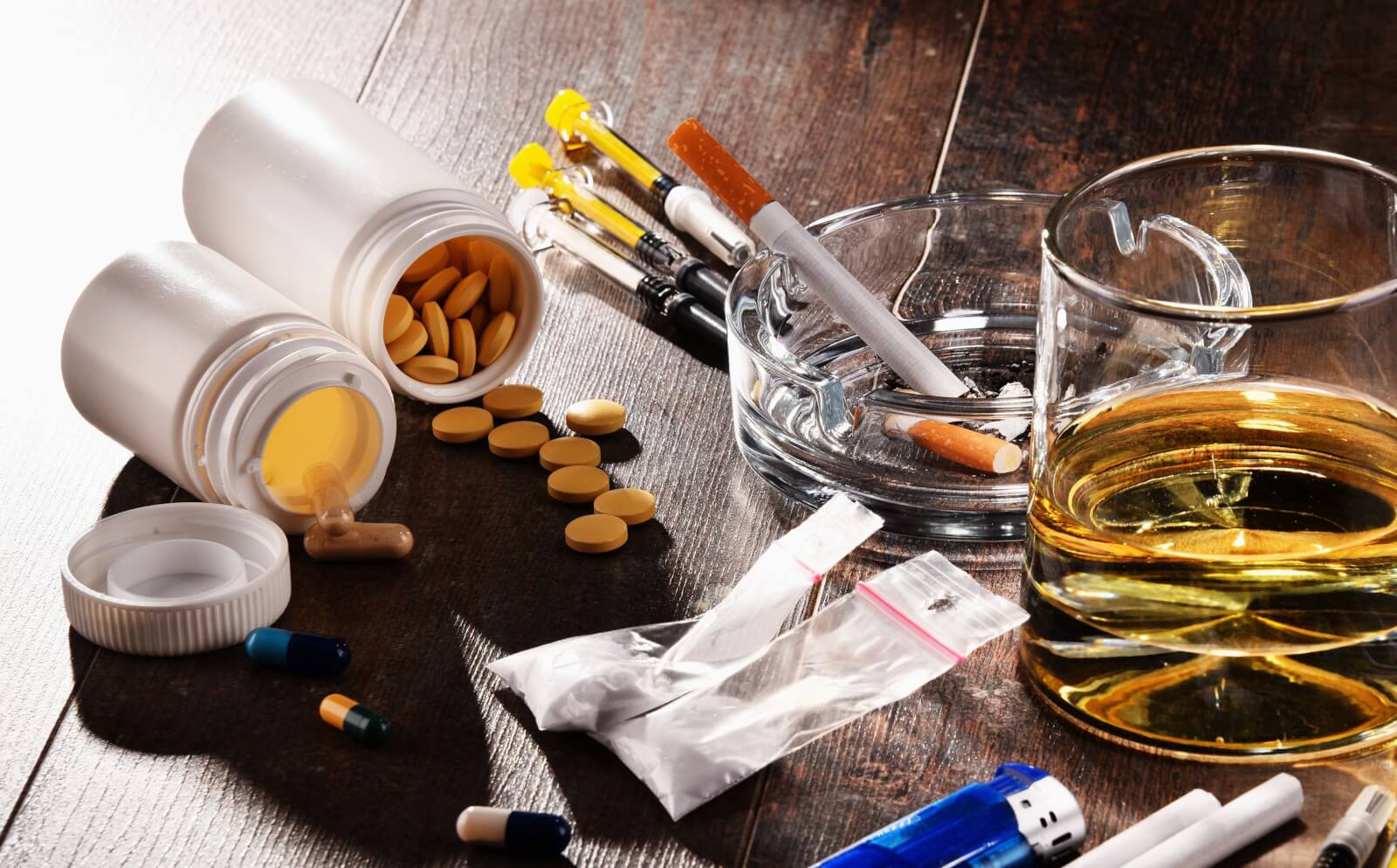
Substances commonly abused today include alcohol, cannabis (bhang), cigarettes, tobacco products, vaping products, shisha, miraa, inhalants such as glue and industrial solvents, prescription medicines including tramadol and codeine-based cough syrups, and increasingly, synthetic drugs such as methamphetamine and ecstasy.
Some learners also experiment with dangerous mixtures of multiple substances, exposing themselves to addiction, mental illness and serious health complications.
Sophisticated supply networks
What makes the situation particularly alarming is the sophistication with which drugs are introduced into schools.
Unlike in the past, traffickers increasingly exploit modern technology, social media, peer influence and organized distribution networks.
Learning institutions have become attractive targets because they provide large concentrations of potential customers.
Once a few learners become dependent on drugs, they frequently recruit their peers, creating self-sustaining markets within schools.
Challenges facing school administrators
Heads of institutions now confront one of the most complex challenges in educational management.
Parents entrust schools with the safety of their children, expecting principals and head teachers to maintain drug-free environments.
Yet those facilitating the movement of drugs into schools are not always strangers.
They may include former students, transport operators, casual workers, traders, food vendors, delivery personnel or individuals who appear to be legitimate visitors.
Their familiarity with school routines often enables them to exploit weaknesses in existing security systems.
Beyond routine searches
Many schools have strengthened security by searching luggage, frisking learners, inspecting dormitories and screening visitors.
Despite these efforts, drugs continue to enter learning institutions.
This demonstrates that the problem extends beyond student indiscipline.
It reveals sophisticated external supply networks that continually adapt their methods.
Drugs may be concealed inside food packages, cosmetic containers, stationery, electronic devices or beverage bottles.
Some are introduced during educational trips, sporting activities or authorized outings.
Once inside school, learners already struggling with addiction sometimes become distributors themselves, making detection even more difficult.
Community responsibility
The role played by businesses operating near schools also deserves attention.
While most traders operate responsibly, there have been cases where alcohol, cigarettes, vaping products and prescription medicines have been sold illegally to underage learners.
Such practices undermine the efforts of parents, teachers and school administrators.
Every community surrounding a learning institution has a responsibility to protect learners.
Commercial interests should never take precedence over children’s futures.
Consequences for learners
Drug abuse affects far more than health.
It contributes to:
- Poor academic performance.
- Absenteeism.
- Violence and bullying.
- Theft.
- Destruction of school property.
- Examination malpractice.
- Risky sexual behaviour.
- Mental health disorders.
- School dropout.
Teachers increasingly spend valuable instructional time addressing disciplinary cases instead of teaching.
Parents endure emotional and financial strain while attempting to rehabilitate affected children.
Society ultimately bears the cost through increased healthcare expenditure, crime, unemployment and the loss of productive human capital.
Prevention remains the best defence
The greatest danger lies in changing attitudes among young people.
Social media, music, films and peer influence frequently portray substance use as fashionable, exciting or a symbol of maturity.
Adolescents, whose judgment is still developing, become particularly vulnerable to manipulation.
Curiosity can quickly develop into dependence, undermining academic aspirations and future opportunities.
The response must therefore extend beyond punishment and routine searches.
Schools require stronger collaboration with security agencies, community policing structures, public health officials and parents to identify and dismantle supply chains operating around educational institutions.
Intelligence-sharing should become an integral component of school safety strategies.
Guidance and counselling remain among the most effective tools for preventing substance abuse.
Learners need continuous education on the dangers of drugs, safe spaces to discuss personal challenges and access to professional psychological support before experimentation develops into addiction.
Teachers should also receive regular training to identify early warning signs, including sudden behavioural changes, declining academic performance, persistent absenteeism, aggression, secrecy and changing friendship patterns.
Parents equally have an essential role.
Open communication, emotional support and active involvement in children’s lives significantly reduce vulnerability to peer pressure and manipulation.
A national call to action
Government agencies must strengthen surveillance around learning institutions while enforcing laws prohibiting the sale of alcohol, tobacco, vaping products and other restricted substances to minors.
Businesses found deliberately targeting learners should face firm legal action.
At the same time, rehabilitation services should be expanded to ensure affected learners receive treatment, counselling and opportunities to rebuild their lives.
As the world marks World Drug Day, the message should move beyond symbolic events and become a national call to protect schools from becoming recruitment centres for drug abuse.
The sophistication of modern drug trafficking demands an equally sophisticated response built on prevention, intelligence, education, law enforcement, family support and accessible rehabilitation.
Schools must remain centres of learning, character formation and hope—not the newest marketplace for drugs.
READ ALSO: Residents call for lasting peace as Angata Barikkoi violence disrupts learning
The future of the nation depends on how effectively we protect the minds entrusted to our learning institutions today.
By Hillary Muhalya
You can also follow our social media pages on Twitter: Education News KE and Facebook: Education News Newspaper for timely updates.
>>> Click here to stay up-to-date with trending regional stories
>>> Click here to read more informed opinions on the country’s education landscape