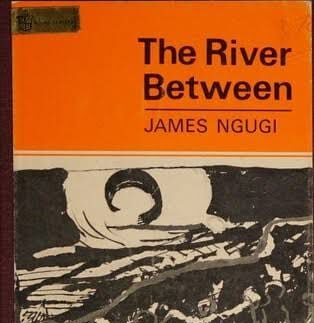
Ngũgĩ wa Thiong’o’s novel, The River Between, is often read as a story of conflict between tradition and change. But beneath that conflict lies a deeper lesson about leadership: people rise when someone ahead of them chooses to mentor, advise, and release them.
In the book, Chege never becomes chief. He never leads the ridges of Makuyu and Kameno. Yet his influence endures because he invested in his son, Waiyaki. “Go and learn all the wisdom and all the secrets of the white man,” Chege tells him, “but do not follow his vices. Be true to your people.” With those words, Chege gives Waiyaki both education and identity. Waiyaki grows into a teacher and a leader not by accident, but because his father took responsibility for his formation. That is the essence of advisory leadership.
We see the same principle in our national history. President Jomo Kenyatta mentored Daniel arap Moi for 13 years as Vice President. When Kenyatta died in 1978, Moi was ready to steer the country for the next 24 years. President Moi in turn worked closely with Uhuru Kenyatta and with Simeon Nyachae, a public servant remembered for discipline and integrity. Nyachae’s example did not die with him. Former Cabinet Secretary for Education Dr. Fred Matiang’i has said, “I am reading leadership notes from Simeon Nyachae in all I do.” That direct apprenticeship helped shape one of the most transformative administrators of our time.
President Uhuru Kenyatta later nurtured William Ruto from a young member of parliament to Deputy President for two terms. Ten years at the centre of government prepared Ruto to assume the presidency in 2022. The pattern is clear. Kenyatta mentored Moi. Moi mentored Uhuru. Nyachae mentored Matiang’i. Uhuru nurtured Ruto. Nations are not sustained by personalities alone. They are sustained by the deliberate transfer of wisdom and responsibility.
ALSO READ:
Teachers raise alarm over anomalies in PSSF records as TSC issues urgent registration directive
The River Between also warns us about what happens when leaders are consumed by rivalry. The division between Kamau and Joshua left the community fractured and the young confused. Real leadership demands the opposite: the courage to put the collective good ahead of personal pride. We saw this recently when Raila Odinga chose to work with President William Ruto under a broad-based arrangement. The decision was not about self. It was about stability and service to the country.
Mentorship is not limited to State House. It begins in homes and classrooms. Mama Sarah Obama raised her grandson Barack Obama in Kenya with discipline, humility and faith. She held no public office, yet her care helped form a president. Across Africa, Mwalimu Julius Nyerere governed Tanzania but also taught it. Through education and ujamaa, he formed a generation, and in 1985 he voluntarily stepped down to allow new leadership. His legacy was not the years he served, but the people he formed.
The River Between leaves with us a direct question: Will we be like Chege, who prepared his son to lead, or like those who guarded their positions until the community suffered?
If you are a parent, teacher, pastor, or manager, ask yourself who is better today because of you. Whose talent have you watered? Whose future have you opened? What notes, like Nyachae’s, are you writing that others will read after you?
When people flourish because of you, know that you have succeeded. Your legacy will not be the title on your door. It will be the names of those who rose after you.
Whom have you nurtured?
By Enock Okong’o
You can also follow our social media pages on Twitter: Education News KE and Facebook: Education News Newspaper for timely updates.
>>> Click here to stay up-to-date with trending regional stories
>>> Click here to read more informed opinions on the country’s education landscape