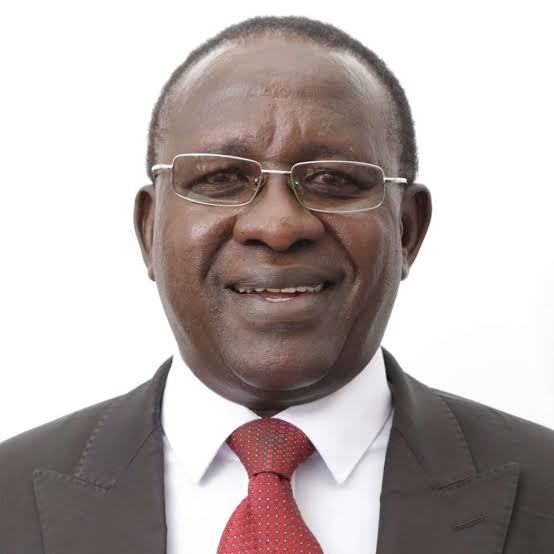
- Former TSC Secretary Benjamin Sogomo says the Alliance Girls High School case has exposed deeper challenges in the funding of senior schools.
- He argues that delayed capitation, cumbersome fee approval procedures and political interference continue to strain school management.
- The article calls for a fresh review of the funding framework to support principals while safeguarding accountability.
On the face of it, the letter from the Cabinet Secretary (CS) for Education, Dr Julius Ogamba, to the Acting Chief Executive Officer of the Teachers Service Commission (TSC), Ms Eveleen Mitei, recommending that the Commission take disciplinary action against the Chief Principal of Alliance Girls High School following an investigative report by the Ministry’s Quality Assurance Department, appears to be a routine occurrence.
There have been many such letters in the past arising from audit and investigative reports by various oversight bodies. However, the reverberations arising from this action, in addition to the initiation of procedures to dissolve the school’s Board of Management (BoM), are likely to be felt across the education sector for the next year or so for several reasons.
First, the Ministry had for a long time ignored complaints by parents about schools increasing fees without the CS’s approval, yet the school in question is one of the country’s leading public schools.
Secondly, education officials at all levels are parents in some of these schools and even attend BoM meetings where such resolutions are passed without objecting or alerting the CS, whom they represent in those meetings. Will these officials also be held accountable?
Thirdly, the process through which BoMs obtain approval for justified fee increments is lengthy and cumbersome. If 4,000 out of the country’s 10,000 senior schools were to seek such approval, the system would almost certainly become overwhelmed.
Fourthly, stakeholders are likely to pile pressure on the government to increase capitation and release it on time to reduce the need for schools to seek fee increases.
Fifthly, in the case of Alliance Girls High School, some of the intended expenditures, such as funding overseas trips, reportedly for teachers, appear to be luxury expenses that parents should not be compelled to finance.
Sixthly, the CS has been quoted lamenting that he lacks powers to discipline principals because such authority is vested in the TSC, and that principals facing disciplinary action often seek political protection from Members of Parliament, making accountability difficult.
Seventhly, the incident comes just before the Kenya Secondary School Heads Association annual conference, where principals are expected to press the government to address the challenges facing schools.
Lastly, the country is entering an election season. From my experience leading the TSC, elected leaders and aspiring politicians often intensify efforts to court teachers both before and after elections. Some overestimate their influence and are unfamiliar with the laws governing the education sector.
Accountability must be upheld
While many stakeholders have praised the CS for acting on the Alliance Girls High School matter, it is discouraging to hear him later complain that he lacks powers to discipline principals.
The Education Act, 2013 clearly places audit and quality assurance services under the CS, who is expected to forward reports and recommendations to the TSC. Positive reports support the promotion of principals, while adverse reports may lead to disciplinary action against principals and Boards. The TSC has always treated such reports seriously.
During my tenure, the Efficiency Monitoring Unit under the Presidency conducted audits in several schools across the country. The reports were forwarded to the TSC, which took action against the affected principals and Boards depending on the seriousness of the findings.
Why then should the CS question this accountability framework when other Cabinet Secretaries work effectively with their respective commissions? The Cabinet Secretary for Public Service does not complain that the Public Service Commission disciplines civil servants, nor does the Cabinet Secretary for Interior object to the National Police Service Commission disciplining police officers.
Funding reforms are long overdue
The observation that principals often receive political protection when accused of wrongdoing is not new. However, the CS should be the first to defend lawful disciplinary processes, provided the audit and quality assurance reports are authentic and originate from his Ministry.
In 2002, several principals, teachers and a Provincial Director of Education were implicated in examination malpractice following investigations. The TSC interdicted the affected officers. Students in three neighbouring schools staged simultaneous strikes demanding the reinstatement of their principals. A senior Cabinet Minister from the region also protested the action. However, after the facts were presented to him, he accepted the findings and allowed both the Ministry and the TSC to perform their constitutional responsibilities.
This was only one of many similar cases. Why then should the CS appear uncomfortable with MPs becoming involved when facts are clear, verified and conclusive?
In conclusion, the funding framework for senior schools requires urgent review. While discipline and accountability must be maintained under existing laws, principals—who often make enormous sacrifices to keep schools running under difficult financial conditions—should not be excessively vilified for challenges largely arising from systemic shortcomings within the Ministry.
READ ALSO: Governor Achani commissions new ECDE centre to boost early childhood education
The last comprehensive review of these issues was undertaken in 2014 by a committee chaired by Dr Kilemi Mwiria. Much has changed since then, and the funding model for senior schools must be revisited.
By Benjamin Sogomo
Benjamin Sogomo is an education specialist and former Secretary of the Teachers Service Commission.
You can also follow our social media pages on Twitter: Education News KE and Facebook: Education News Newspaper for timely updates.
>>> Click here to stay up-to-date with trending regional stories
>>> Click here to read more informed opinions on the country’s education landscape