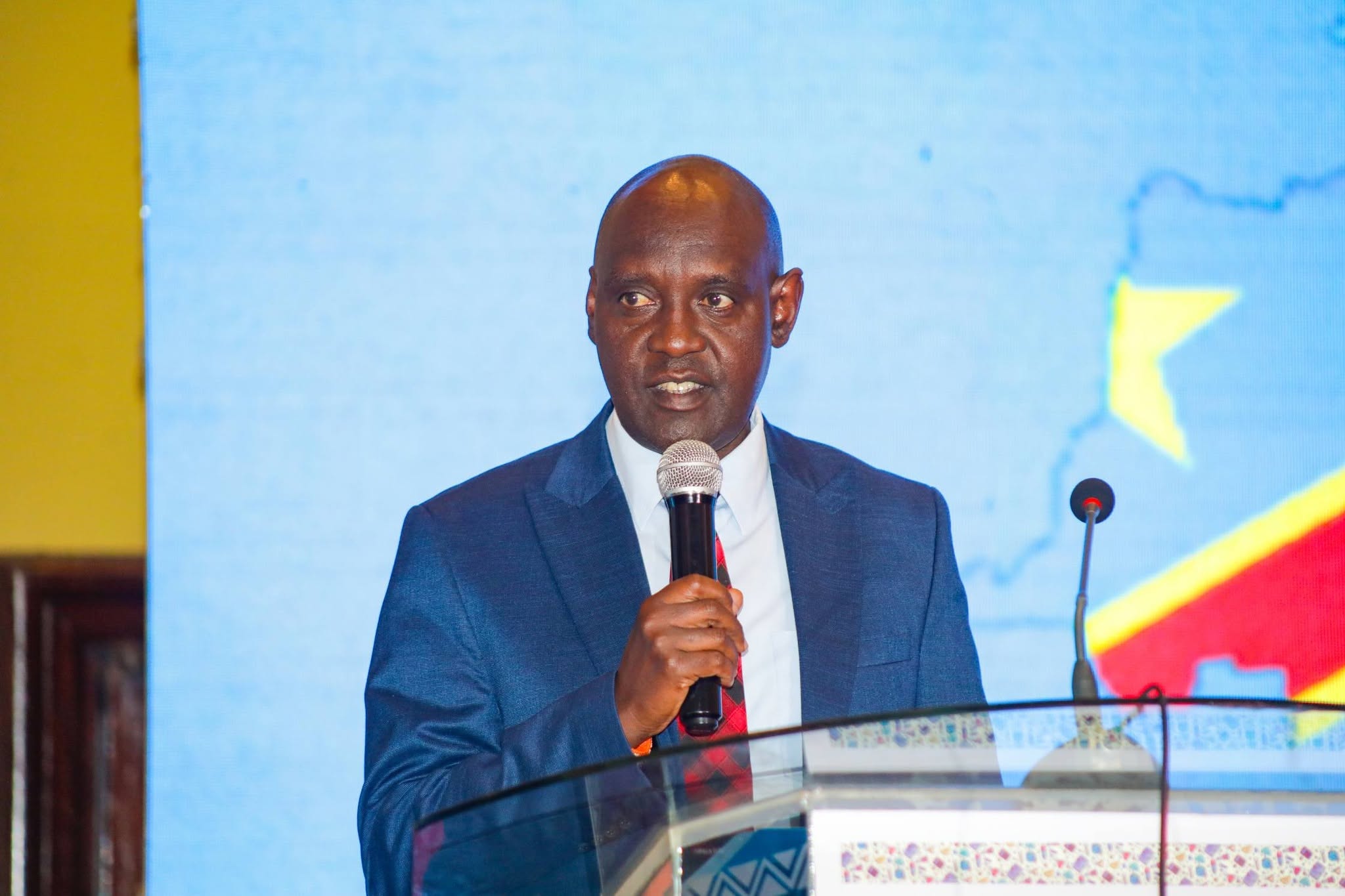
- Enock Okong’o argues that elders remain invaluable sources of wisdom, experience and leadership lessons.
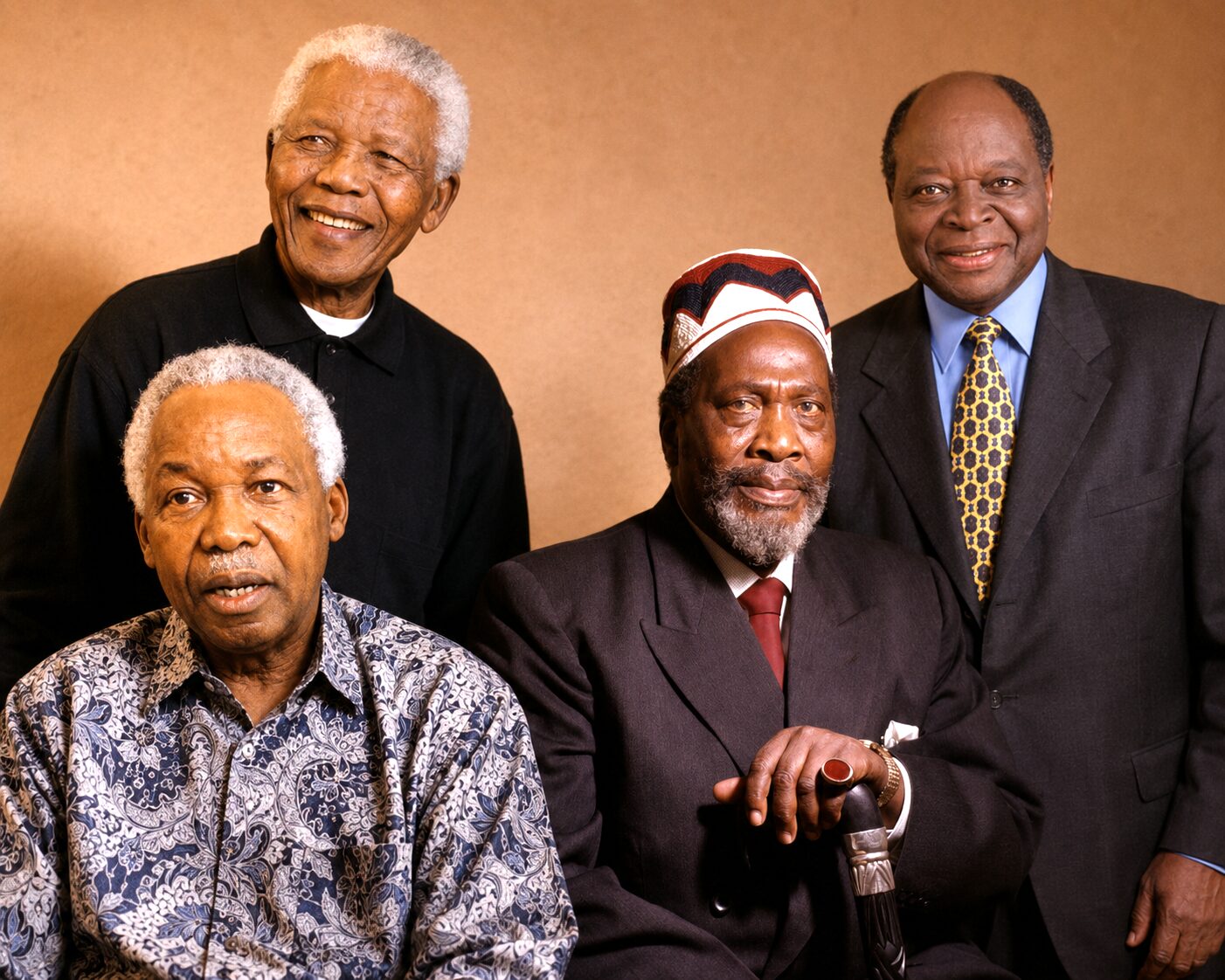
- Drawing from the lives of leaders such as Jomo Kenyatta, Julius Nyerere, Daniel arap Moi, Nelson Mandela and Mwai Kibaki, he highlights values that continue to shape society.
- The article urges young people to embrace intergenerational learning and preserve the wisdom of older generations.
By Enock Okong’o
Wazee wetu are more than old men and women sitting under trees. They are living libraries, carrying the weight of history, struggle and wisdom that no Google search can replicate.
If we are serious about building a future that lasts, then the current generation must swallow its pride and sit at the feet of those who walked the path before us. Old is gold, not because age erases wrinkles, but because it preserves lessons that time has tested.
Look at Mzee Jomo Kenyatta, the founding father of Kenya. His life was defined by courage and determination. He spent years in detention and exile, yet never lost sight of the goal of a free and united Kenya.
His principle was simple: put the country first. He believed in harambee, the spirit of pulling together for a common good.
For the youth today, that means learning to build rather than break, to unite rather than divide along tribal or social lines. A nation cannot rise when its young people are experts at insulting each other online but strangers to solving real problems.
Nyerere and the Power of Service
Cross the border to Tanzania and you meet Mwalimu Julius Nyerere. His life was anchored in love for his people and a deep belief in education as a tool of liberation.
Ujamaa was not perfect, but its intention was clear: no Tanzanian should be left behind.
Nyerere voluntarily left power, demonstrating that leadership is service rather than ownership. The youth can learn tolerance and humility from his example.
In an age where many chase quick fame and instant wealth, Nyerere reminds us that true legacy is measured by lives uplifted, not bank balances accumulated.
Moi and the Value of Discipline
Back home, Daniel arap Moi ruled for 24 years and, regardless of political opinion, his emphasis on discipline and national integration remains part of his legacy.
Moi’s Nyayo philosophy emphasised peace, love and unity. He travelled extensively across the country, engaging ordinary citizens and reinforcing the message that every Kenyan mattered.
For today’s youth, his life demonstrates that determination without discipline becomes noise and that leadership requires listening as much as speaking.
Mandela and the Courage to Forgive
Then there is Nelson Mandela, the man who spent 27 years in prison and emerged without hatred in his heart.
Mandela’s principle was reconciliation. Rather than settling old scores, he chose to build a united South Africa.
That is courage of the highest order—to defeat division through dialogue and partnership.
For a generation often quick to anger and cancellation, Mandela’s life poses an important question: can we love our country enough to forgive, engage and build alongside those with whom we disagree?
Leadership Closer to Home
Closer home, Moody Awori demonstrated that humility and service do not diminish with age. As Vice President and later a sports administrator, he remained approachable and committed to youth development.
Lawrence Sagini proved that education and public service can go hand in hand. His intellect and commitment to policy illustrated that leadership requires both wisdom and courage.
Oke Ntimama, the Lion of Narok, fearlessly defended his people and culture. His life reminds us that standing for your community does not require hostility towards others; it requires commitment to justice.
Kibaki’s Legacy of Results
We must also remember Mwai Kibaki, Kenya’s third President.
Kibaki’s leadership style was quiet but deliberate. He spoke less and delivered more. Under his administration, Kenya witnessed major infrastructure development, the introduction of free primary education and a stronger culture of technocratic decision-making.
His principle was delivery over spectacle.
For the youth, Kibaki challenges the obsession with noise and self-promotion. Real leadership is measured by results—roads built, schools opened and systems that continue working long after leaders leave office.
The Sacred Unwritten Book
What ties these leaders together is not perfection. They were human, with strengths, weaknesses and contradictions.
Yet their lives were shaped by values worth emulating: courage, service, love of country, belief in education, tolerance and determination.
The challenge to today’s youth is simple: stop treating old age as uselessness.
The elderly are a sacred unwritten book. In their stories, you will find lessons on surviving betrayal without bitterness, leading without corruption, speaking without insult and losing without surrender.
Every time we dismiss an elder as outdated, we burn a page of that book.
Learning Before It Is Too Late
If future generations are to inherit a Kenya worth living in, we must learn from wazee wetu before their voices are silenced by time.
Read their lives. Ask questions. Sit with them in their natural settings, not only on public platforms.
Let them share their stories, songs and experiences. Let them explain how communities were held together long before social media and instant communication.
Old is gold because it has been refined by fire.
The youth have energy, but energy without direction burns the house down. Courage without wisdom becomes recklessness. Love of country without tolerance becomes tribalism. Education without humility becomes arrogance.
Conclusion
So here is the call: open the sacred unwritten book.
Sit down, listen and take notes.
READ ALSO: Breaking the cycle: Understanding child poverty and its impact on education
The future we desire will not be built on trends and fleeting moments alone. It will be built on the wisdom, sacrifices and lessons of wazee wetu—if only we are humble enough to learn from them.
You can also follow our social media pages on Twitter: Education News KE and Facebook: Education News Newspaper for timely updates.
>>> Click here to stay up-to-date with trending regional stories
>>> Click here to read more informed opinions on the country’s education landscape