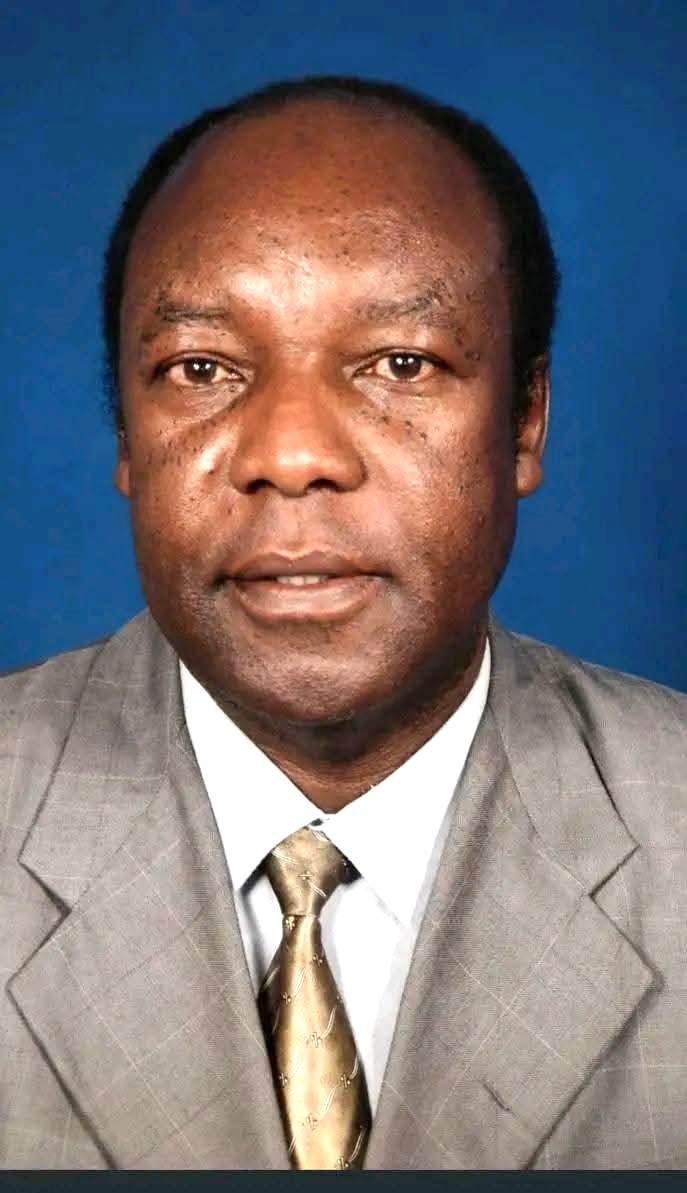
- UoN first years have been welcomed at Taifa Hall by Vice-Chancellor Prof. Eng. Ayub N. Gitau, who has urged them to focus on character, competence and integrity alongside academic performance.
- Students have been cautioned to use artificial intelligence to support their thinking rather than replace it, with independent judgement emphasised as a core university skill.
- New students have been reminded of their role as university ambassadors, both on campus and on social media, and encouraged to seek support early rather than face challenges alone.
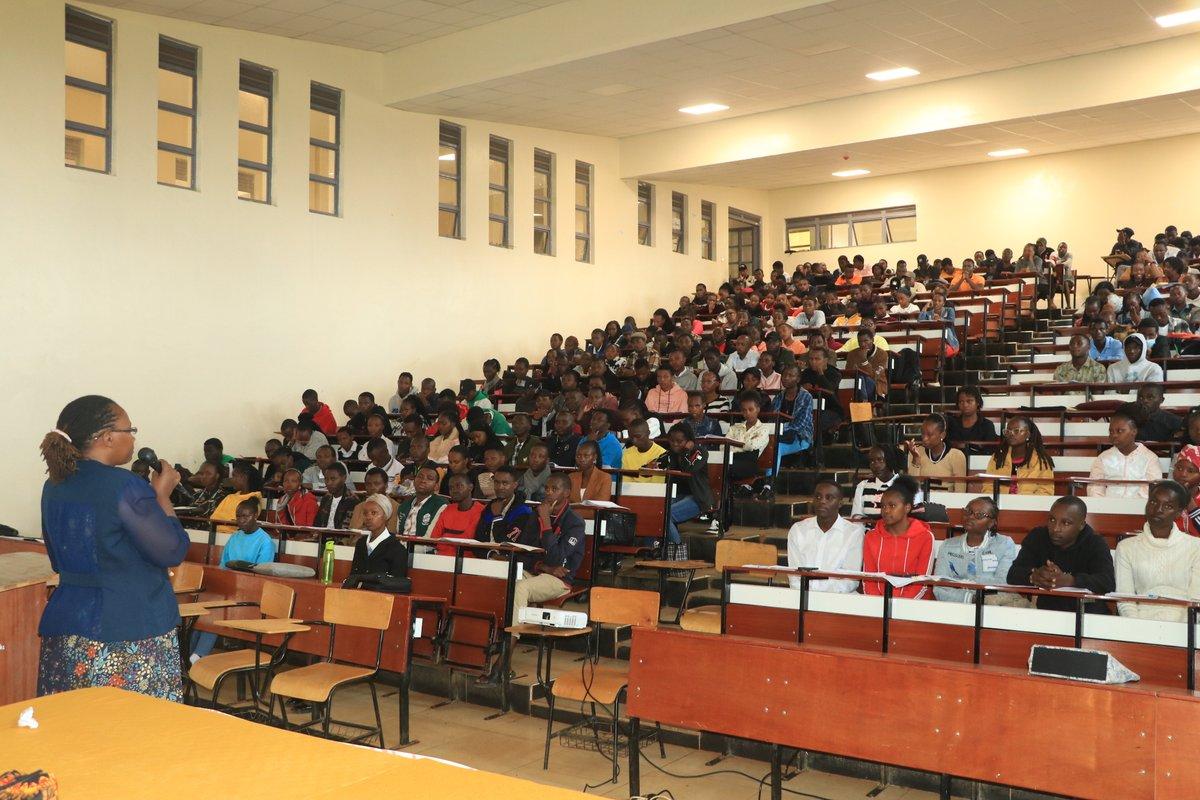
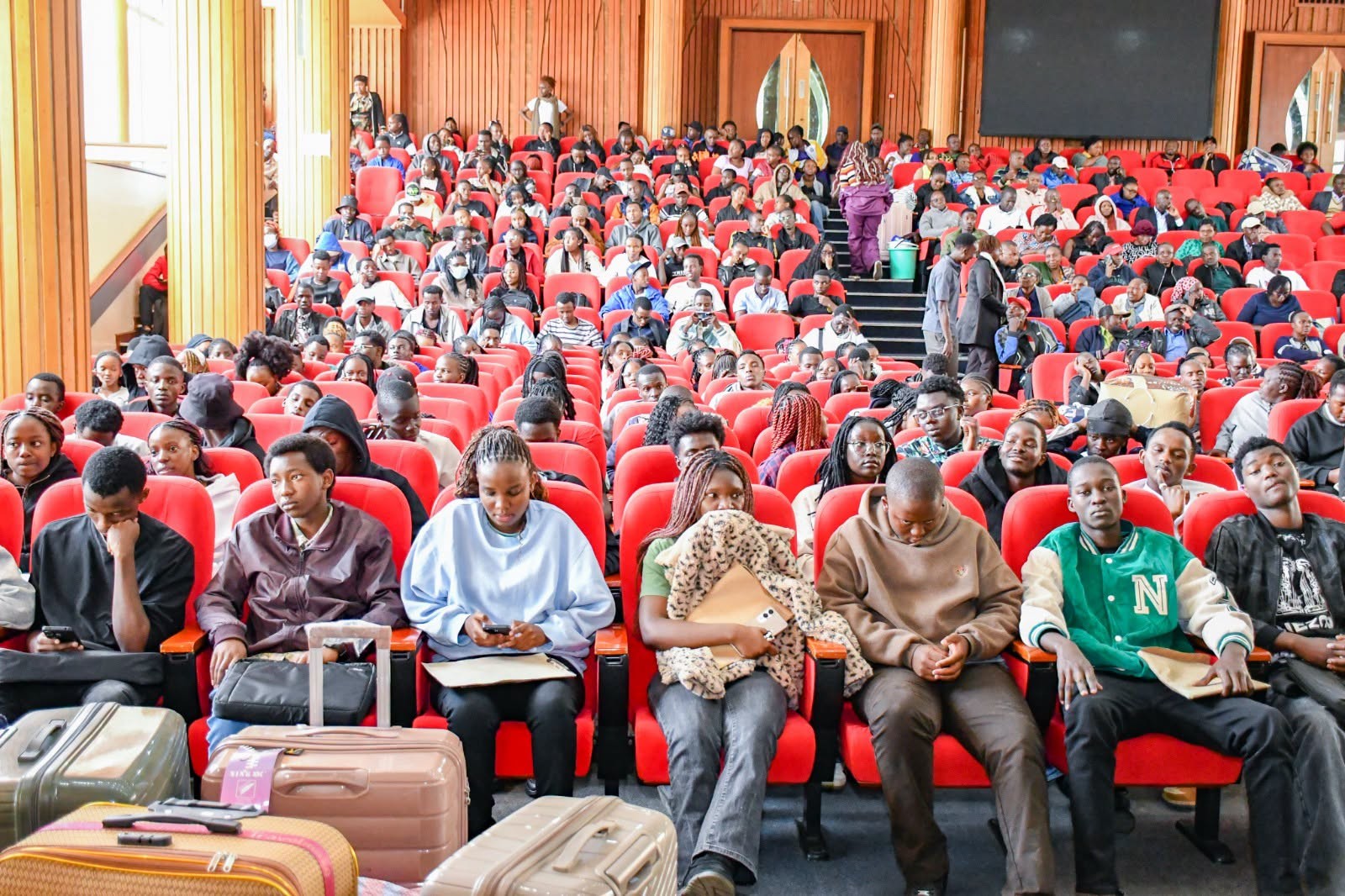
The University of Nairobi has ushered in a new generation of scholars as the first-year Class of 2026/2027 officially begins its university journey, bringing with it fresh ambition, youthful energy and dreams of transforming the future. The newest cohort has been arriving on campus throughout the week, meeting their respective faculties during the Deans’ addresses before converging at the historic Taifa Hall for the Vice-Chancellor’s official welcome and orientation address. It was more than a ceremonial welcome. It was a powerful reminder that entering university represents a profound transition, from structured school life into an environment where students are expected to think independently, make responsible choices and begin taking ownership of their futures.
For generations of University of Nairobi students, Taifa Hall has been a defining landmark, its seats having hosted scholars, leaders, innovators, professionals and changemakers who went on to influence Kenya and the wider world. Now, the Class of 2026/2027 has taken its place in that history. Addressing the students, Vice-Chancellor Prof. Eng. Ayub N. Gitau challenged them to understand that university is about much more than passing examinations and obtaining academic qualifications. The university experience, he emphasised, should be used to develop competence, confidence, character, curiosity and meaningful relationships, a message that comes at a time when the modern university student is entering an increasingly competitive world where academic certificates alone may not be enough.
ALSO READ:
Teachers’ staffroom confessions: The irritating habits quietly destroying schools
Academic Integrity and Independent Thinking in the Age of AI
One of the strongest messages delivered to the newcomers centred on academic integrity. Students were encouraged to resist the temptation to cheat, plagiarise or take shortcuts in pursuit of grades, on the principle that honest work has greater value than a grade obtained dishonestly. University provides students with enormous freedom, but that freedom comes with responsibility, with fewer people monitoring every decision, friendship, expenditure and academic choice. That is precisely why character becomes so important; the person a student becomes when nobody is watching can ultimately matter more than the grades appearing on a transcript.
Artificial intelligence is rapidly transforming education, employment and professional life, and the Class of 2026/2027 is entering university at a time when AI has become impossible to ignore. Prof. Gitau encouraged students to use AI wisely and ethically, offering a particularly relevant principle: “Let it assist your thinking, not replace it.” AI can help students research, brainstorm, analyse information and improve their learning, but it should never become a substitute for independent thought, curiosity, creativity and judgement. The university remains a place where students are expected to learn how to think, not simply how to obtain answers, and the challenge for the new generation will be to master technology without surrendering their intellectual independence to it.
ALSO READ: Teachers need protection too: Strengthening safety and well-being in the teaching profession
University life can easily become a routine of lectures, assignments, examinations and deadlines, but the new students were reminded that some of the most valuable lessons will happen outside the timetable. University is an opportunity to discover talents, develop leadership skills, build professional networks, participate in intellectual conversations, make lifelong friends and gain experiences that cannot be captured by examination marks. The lecture room provides knowledge; the wider university environment provides opportunities to apply it, and students who understand this distinction are likely to leave university with much more than a degree.
The transition to university can also present challenges. For some students, it may be their first extended period away from home, while others will have to navigate financial pressures, demanding academic programmes, new friendships, personal decisions and the expectations that come with greater independence. The Class of 2026/2027 was encouraged not to suffer silently, with lecturers, mentors, counsellors and chaplains available to provide guidance and support. Seeking assistance should not be viewed as weakness; sometimes, asking for help is the most responsible decision a student can make.
Representing the University, Building a Legacy
With the freedom and opportunities of university life also comes responsibility to the institution. The new students were reminded that they are now ambassadors of the University of Nairobi, and their conduct on campus, outside campus and increasingly on social media contributes to how the institution is perceived. In an era where a single social-media post can reach thousands of people within minutes, students must understand that digital footprints can have lasting consequences, and representing UoN with pride means demonstrating responsibility, respect and integrity both online and offline.
ALSO READ: Turkana County, Plan International and APAD roll out parenting programme in Kakuma
The newest students are joining an institution whose history stretches across generations of Kenyan scholarship and leadership. They are not merely entering classrooms; they are becoming part of a community that has produced professionals, academics, entrepreneurs, public servants, researchers and leaders who have contributed to national development. But history alone will not define this new cohort. The Class of 2026/2027 now has an opportunity to create its own legacy, using the years ahead not merely to accumulate academic credits, but to acquire knowledge, build character, develop competence, cultivate relationships and prepare for a rapidly changing world.
Taifa Hall has carried the weight of generations before them. Now, it carries them. The seats occupied by yesterday’s scholars are now occupied by tomorrow’s leaders, and the question confronting the new generation is no longer whether they have arrived at university. They have. The bigger question is what they will do with the opportunity. For the Class of 2026/2027, the university journey has officially begun.
By Hillary Muhalya
Get more stories from our website: Education News
To write to us or offer feedback, you can reach us at: editor@educationnews.co.ke
You can also follow our social media pages on Twitter: Education News KE and Facebook: Education News Newspaper for timely updates.
>>> Click here to stay up-to-date with trending regional stories