






- TSC should establish a Teacher Gender-Based Violence and Safety Desk to serve as a confidential referral point for teachers facing threats, harassment or abuse.
- The writer has called on KUPPET and KNUT to strengthen member-support programmes and collaborate with TSC, MoE and security agencies to build stronger teacher-safety systems.
The death of a 33-year-old Junior Secondary School teacher in Bomet, reportedly while she was only one month pregnant, has once again drawn attention to a difficult question. She is not alone; a teacher here and a teacher there have lost their lives under unclear circumstances, with the most recent case involving a 48-year-old teacher in Siaya. This calls for deep reflection: how well are we protecting our teachers beyond the school environment?
The circumstances surrounding their deaths are deeply distressing and remain subject to investigation. We should therefore avoid speculation and allow the relevant authorities to establish the facts. However, the tragedies provide an opportunity to reflect on a wider concern. There have been several reported cases of teachers, particularly female teachers, losing their lives in circumstances involving violence. Each case leaves behind grieving families, traumatised colleagues and learners who have lost someone who was not only their teacher but, in many instances, a mentor and role model. This calls for a broader conversation about teacher safety.
Teacher welfare is often discussed in terms of salaries, promotions, workload, transfers, medical support and working conditions. These are important, but welfare also includes physical safety, emotional well-being and personal security. A teacher may be safe within the school compound but face challenges on the journey home, in rented accommodation or within personal relationships. It is therefore important that the education sector adopts a more comprehensive understanding of teacher welfare, one that recognises that the well-being of a teacher extends beyond the classroom.
ALSO READ:
https://educationnews.co.ke/mps-question-reliability-of-learner-data-used-to-disburse-nearly-sh104-billion-in-school-capitation/
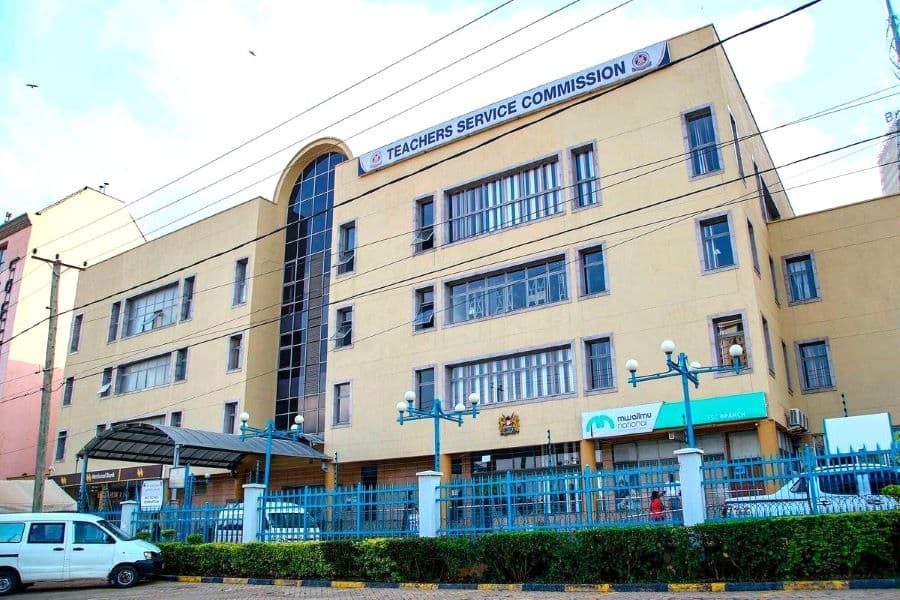
The Teachers Service Commission has increasingly recognised the importance of teacher mental health and well-being. A similar approach could be considered in addressing gender-based violence. TSC could establish a Teacher Gender-Based Violence and Safety Desk to provide a confidential first point of contact for teachers experiencing domestic violence, sexual harassment, stalking, threats, intimidation or other forms of abuse. Such a desk would not replace the role of the police, courts, health professionals or other agencies, but could instead provide guidance, referral and support, helping teachers understand where and how to seek assistance. It could also work alongside existing teacher welfare and mental-health initiatives, creating a more comprehensive support system. A teacher who is facing danger should know that there is an institutional door they can knock on.
Teacher unions have an important role to play in protecting and advancing the welfare of their members. KUPPET and KNUT could strengthen their contribution by establishing clear and confidential mechanisms for teachers experiencing gender-based violence or serious personal threats. Their programmes could include awareness sessions on healthy relationships, GBV prevention, personal safety and available support services. The unions could also work with TSC, the Ministry of Education, security agencies, health professionals and other stakeholders to develop practical teacher-safety initiatives. Importantly, anonymised information on violence affecting teachers could be collected and analysed to help establish emerging patterns and inform policy. Good policy depends on good information.
Teachers, like everyone else, have a right to private lives and personal relationships. Being a teacher does not mean surrendering one’s right to friendship, companionship or family life. At the same time, personal safety requires wisdom and awareness. Controlling behaviour, persistent threats, stalking, extreme jealousy, isolation from family and friends, humiliation and physical aggression should not be dismissed as ordinary relationship disagreements. They may be warning signs that require attention. Teachers should feel free to speak to trusted family members, friends, colleagues or professionals when they find themselves in relationships that make them feel unsafe. Seeking help early should not be viewed as weakness; it is often an important step towards preventing a situation from becoming more serious. And importantly, responsibility for violence always lies with the perpetrator. Awareness and precaution should never be interpreted as blaming the victim.
Robots are coming to the workplace-and Kenya is already getting a glimpse
Teachers occupy an important position in society. Learners watch how they conduct themselves, communicate and respond to challenges. This naturally places a responsibility on teachers to exercise good judgement. But we should also remember that teachers are human beings. They experience relationships, family challenges, grief, financial pressures, loneliness and other difficulties just like everyone else. Being a role model does not mean being immune to vulnerability. What teachers need is not unnecessary scrutiny of their private lives, but access to information, support and safe avenues for seeking assistance when difficulties arise.
School administrators and colleagues also have a role. A teacher experiencing serious personal difficulties may become withdrawn, anxious, or unusually distressed. While colleagues should respect privacy, they can create an environment where it is safe to ask for help. When a teacher says, “I am not safe,” the response should be compassion and appropriate assistance, not gossip or judgement. School leaders should also be familiar with relevant referral pathways so that serious concerns can be directed to the appropriate authorities and professionals.
Teacher security should be viewed as part of the wider education ecosystem. Just as we are concerned about the safety of learners on school trips, during examinations and while travelling to and from school, we should also consider the safety of teachers who serve them. This requires collaboration among TSC, KUPPET, KNUT, the Ministry of Education, security agencies, health professionals and other relevant stakeholders. It also requires teachers to be equipped with practical knowledge about personal safety and available support services.
JOOUST catering outsourcing proposal raises concerns over student practical training, food costs
Every life lost to violence is a painful reminder of the importance of prevention. The appropriate response to the death of a teacher should not end with condolences. It should also prompt reflection on whether our existing support systems are adequate. Could a teacher have had somewhere to report a threat? Could a colleague have known where to refer a distressed teacher? Could an early intervention have made a difference? These are difficult questions, but they are worth asking. The proposal for a Teacher Gender-Based Violence and Safety Desk within TSC deserves serious consideration. KUPPET and KNUT can complement such an initiative through stronger member-support and awareness programmes.
Teachers dedicate their professional lives to preparing young people for the future. They guide, mentor, counsel and inspire. They deserve to work and live with the assurance that when they face danger, they will not have to face it alone. Strengthening teacher security is therefore not simply about protecting employees. It is about protecting the people who protect and shape our children’s future.
By Astiba Kebong’o jackiekebongo@gmail.com.
Get more stories from our website: Education News
To write to us or offer feedback, you can reach us at: editor@educationnews.co.ke
You can also follow our social media pages on Twitter: Education News KE and Facebook: Education News Newspaper for timely updates.
>>> Click here to stay up-to-date with trending regional stories


Reader Discussion (0)
Sign in to comment