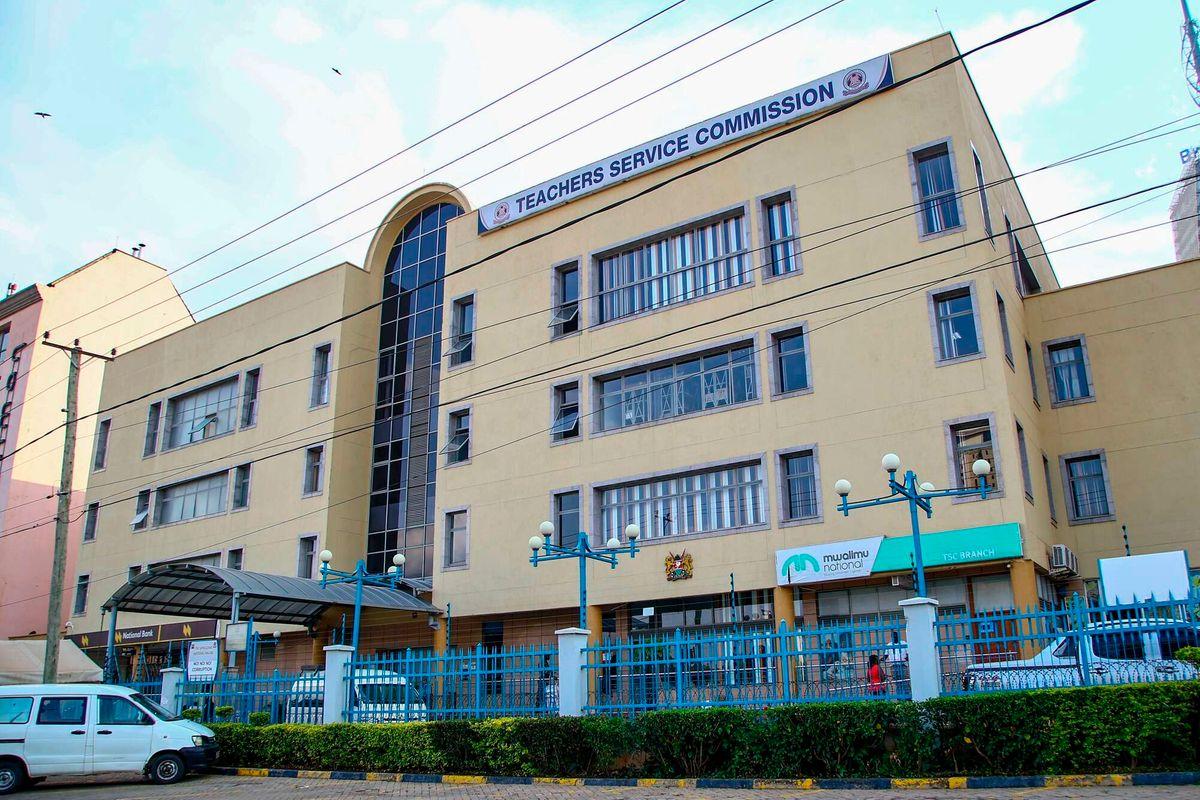
- The TSC has flagged 15 categories of misconduct, ranging from sexual offences, violence, and negligence to examination malpractice, fraud, financial impropriety, substance abuse, and conduct unbecoming the profession that can result in a teacher’s deregistration.
- Deregistration is the Commission’s harshest sanction: it strikes a teacher’s name off the register entirely, making it illegal for them to teach in Kenya unless reinstated or the decision is overturned on appeal.
- The framework rests on the TSC Act, 2012, and the Code of Conduct and Ethics, with every case following due process: investigation, a chance to respond, a disciplinary hearing, and a right of appeal before any final decision is made.
The Teachers Service Commission (TSC) has issued a fresh reminder to teachers countrywide that a wide range of professional and personal misconduct can cost them their careers, warning that deregistration remains the harshest sanction it can impose on an educator found culpable of serious wrongdoing.
Once a teacher is deregistered, the Commission says, their name is struck off the TSC register altogether, making it a criminal offence for them to teach in any Kenyan school unless the decision is later overturned on appeal or the Commission formally reinstates them.
TSC grounds its disciplinary framework in the Teachers Service Commission Act, 2012, the Code of Regulations for Teachers, and the Code of Conduct and Ethics, all of which require teachers to uphold the highest standards of professionalism, integrity and ethical conduct both inside and outside the classroom.
RELATED:
TSC deregisters seven teachers over misconduct, bans them from classrooms nationwide
Below is a breakdown of the 15 offences the Commission has flagged as capable of triggering deregistration.
- Sexual abuse. Any act of sexual abuse committed by a teacher is treated by the Commission as one of the gravest breaches of professional trust, warranting the harshest disciplinary response available.
- Sexual harassment. Teachers who subject learners or colleagues to unwelcome sexual advances, comments or conduct risk losing their registration, as the Commission classifies sexual harassment among its most serious offences.
- Immoral relationships involving learners. The Commission bars teachers from engaging in romantic or improper relationships with learners, viewing such conduct as a fundamental violation of the trust placed in educators.
- Defilement, rape and other sexual offences. Beyond harassment and abuse, the Commission lists defilement, rape and related sexual crimes as grave violations attracting its severest sanctions, including deregistration.
- Physical assault of learners or colleagues. Teachers who physically assault students or fellow staff members face removal from the teaching register, with the Commission treating violence within the school environment as unacceptable conduct.
- Cruelty, bullying, intimidation and harassment. Beyond outright assault, the Commission also penalises cruelty and patterns of bullying, intimidation or harassment directed at learners or colleagues, both of which can result in loss of registration.
- Gross insubordination and disobedience. Teachers who persistently defy lawful instructions issued by their supervisors or by education authorities may face disciplinary action up to and including deregistration.
- Professional negligence resulting in harm to learners. Where a teacher’s negligence in carrying out their duties causes harm to a learner, the Commission treats this as a serious offence capable of triggering removal from the register.
- Chronic absenteeism and desertion of duty. Habitual absence from work and desertion of duty without lawful cause are listed among the offences that can lead to a teacher being struck off the register.
- Examination malpractice. Teachers implicated in leaking examination materials or facilitating cheating among candidates face some of the Commission’s toughest sanctions, given the damage such conduct does to the credibility of national examinations.
- Forgery, falsification, impersonation and fraudulent registration. The Commission also cautions against forging or falsifying academic or professional certificates, as well as impersonation or obtaining TSC registration through fraudulent means, all of which undermine the integrity of the register itself.
- Financial misconduct. Theft, fraud, embezzlement and corruption remain serious offences under the Commission’s disciplinary framework, with teachers found culpable of financial impropriety risking deregistration.
- Conviction of serious criminal offences. Teachers convicted of serious crimes in a court of law may lose their registration as a direct consequence of that conviction, independent of any TSC-specific misconduct.
- Substance abuse. Reporting to work under the influence of alcohol or illegal drugs, or engaging in substance abuse that interferes with professional responsibilities, constitutes misconduct that can attract disciplinary sanctions, including deregistration.
- Unauthorised disclosure and conduct unbecoming the profession. Finally, the Commission lists unauthorised disclosure of confidential information, along with any behaviour that undermines the dignity, integrity or reputation of the teaching profession, as grounds for removal from the register.
ALSO READ:
TSC stressed that no teacher is deregistered without due process. Every case begins with an investigation into the allegations raised, followed by an opportunity for the affected teacher to respond. Where the Commission finds sufficient grounds to proceed, the matter is referred to a full disciplinary hearing, after which a decision is made. Teachers unhappy with the outcome retain the right to appeal in line with the applicable regulations.
The Commission has urged all teachers to familiarise themselves thoroughly with the Code of Conduct and Ethics and to uphold professional standards at all times, cautioning that failure to do so could expose them to disciplinary sanctions capable of ending their careers in the teaching service.
By Our Reporter
You can also follow our social media pages on Twitter: Education News KE and Facebook: Education News Newspaper for timely updates.
>>> Click here to stay up-to-date with trending regional stories
>>> Click here to read more informed opinions on the country’s education landscape