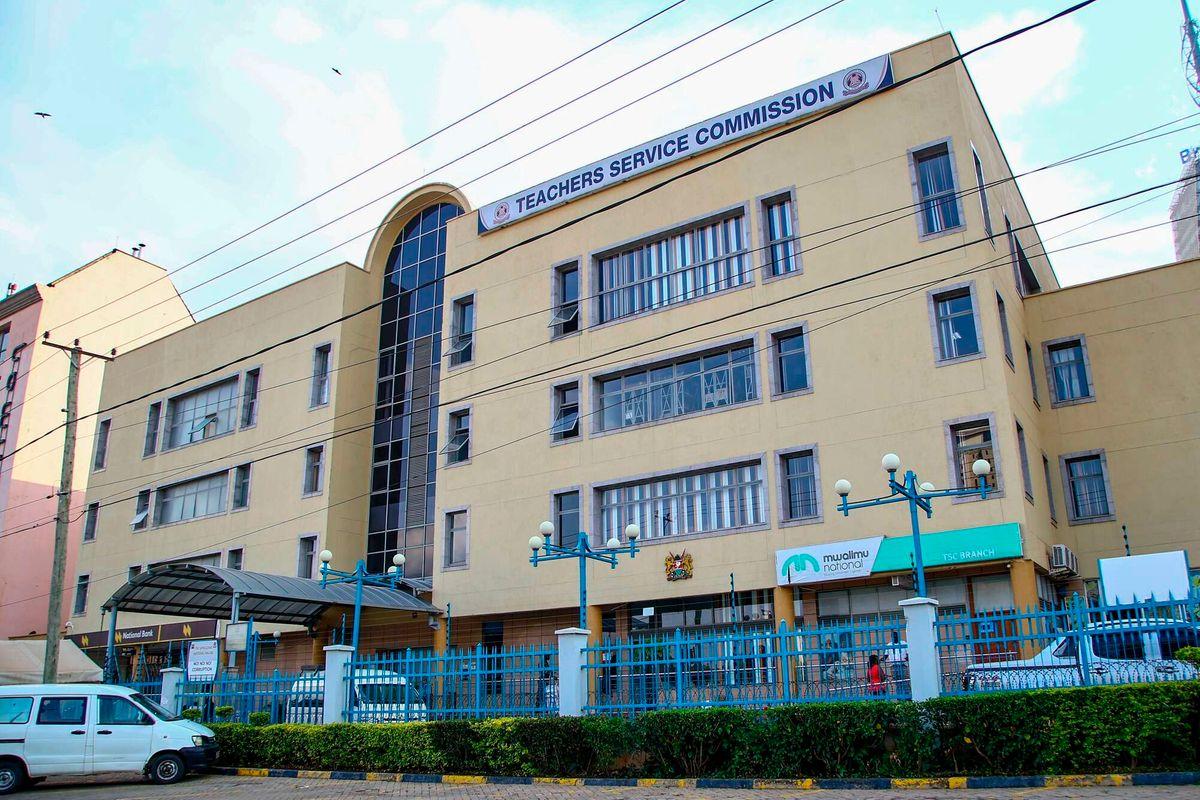
The Teachers Service Commission (TSC) has convened a high-stakes consultative meeting with the Kenya National Union of Teachers (KNUT) in Mombasa on Wednesday, April 22, in a bid to address mounting concerns over the implementation of the Mwalimu Comprehensive Medical Cover under the Social Health Authority (SHA).
The meeting follows growing dissatisfaction among teachers across the country, with complaints ranging from outpatient limits capped at KSh 1,200 per visit to frequent drug shortages and inconsistent service delivery at accredited facilities. The concerns have triggered anxiety within the teaching fraternity, prompting KNUT leadership to urgently seek structured engagement with both TSC and health sector stakeholders.
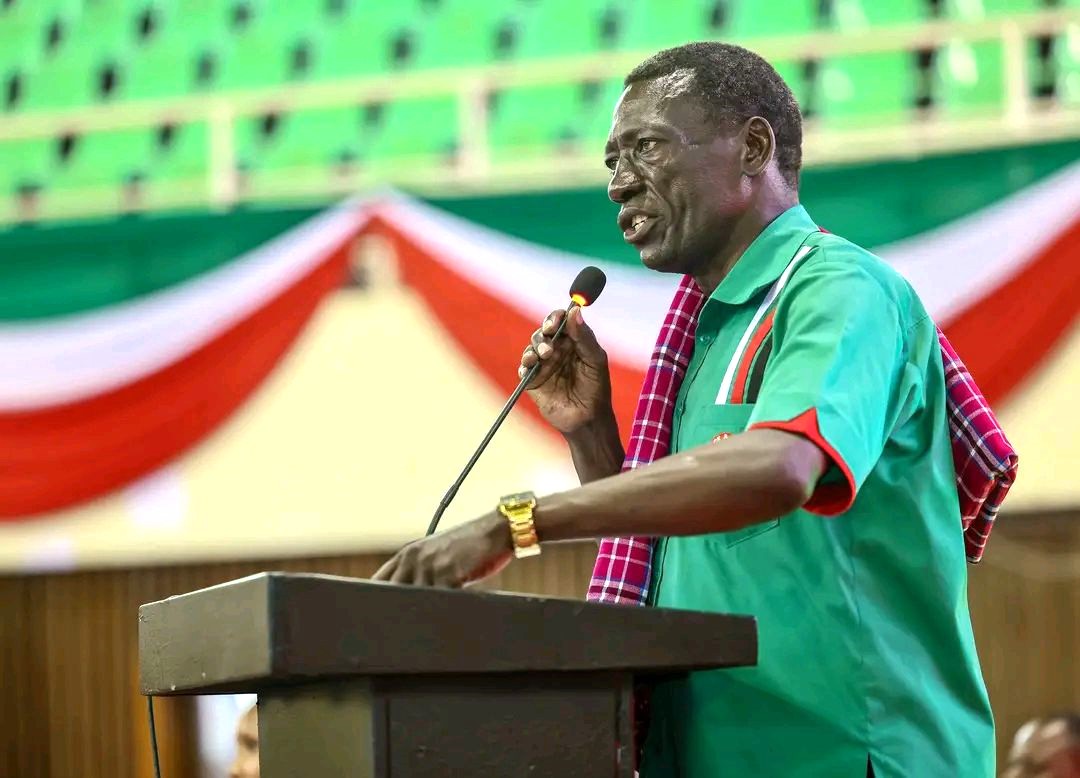
In an internal circular seen by this publication, KNUT Secretary-General Collins Oyuu called on branch officials to submit ground-level concerns, noting that “all is not well” with the scheme’s current implementation. The union is expected to present consolidated grievances during the Mombasa meeting, which will also involve officials from the Social Health Authority.
The Mwalimu Comprehensive Medical Cover, rolled out in December 2025, marked a major policy shift from the long-standing AON Minet scheme to a government-managed model under SHA.
The transition was part of Kenya’s broader Universal Health Coverage (UHC) agenda, aimed at expanding access to affordable healthcare for public servants and their dependents.

Under the new arrangement, the scheme covers over 400,000 teachers and more than 800,000 dependents, offering services such as inpatient and outpatient care, maternity services, dental and optical treatment, chronic disease management, and emergency evacuation.
However, despite its expanded benefit structure, the rollout has been marred by operational challenges. Teachers have reported cases of denied services, delays in accessing care, and confusion over approved facilities—issues that stakeholders had earlier acknowledged during joint consultations between TSC, KNUT, the Ministry of Health, and SHA.
The government has previously defended the scheme as an improvement over the previous cover, citing increased provider networks, enhanced benefits, and integration with the Social Health Insurance Fund (SHIF). Yet, the emerging implementation gaps have raised questions about system readiness, provider compliance, and communication with beneficiaries.
Union officials are also expected to push for the removal or revision of outpatient caps, improved drug availability, and stricter enforcement against facilities demanding out-of-pocket payments—practices that are reportedly undermining the scheme’s core objective.
READ ALSO: KNUT warns of nationwide learning disruption as SHA crisis deepens
For many teachers, the outcome of the meeting will determine whether the Mwalimu Comprehensive Medical Cover can live up to its promise of safeguarding their health and welfare.
By Joseph Mambili
You can also follow our social media pages on Twitter: Education News KE and Facebook: Education News Newspaper for timely updates.
>>> Click here to stay up-to-date with trending regional stories
>>> Click here to read more informed opinions on the country’s education landscape
>>> Click here to stay ahead with the latest national news.