Junior secondary school (JSS) teachers have issued a strike notice that could paralyse learning when schools reopen for the second term on April 27, escalating pressure on the government over employment terms, medical cover, and delayed job confirmations.
Led by officials of the Kenya Union of Post‑Primary Education Teachers (Kuppet), the educators warned they will down tools unless they are employed on permanent and pensionable terms and enrolled in a more comprehensive health insurance scheme. They argue that the current Social Health Authority (SHA) cover is inadequate, forcing them to pay out of pocket for treatment.
The strike threat comes just a day after Health Cabinet Secretary Aden Duale dismissed claims that teachers had been allocated only Sh1,200 daily under the new medical scheme, according to Duale, teachers now enjoy inpatient cover ranging from Sh1 million to Sh3 million, outpatient cover of up to Sh450,000, and access to more than 6,000 health facilities nationwide, with services available through the Afyangu app. “What has changed is not the benefit, but the discipline in how public funds are used,” he said.
ALSO READ:
Back-to-school shock: Parents hit by rising costs, chaos and uncertainty
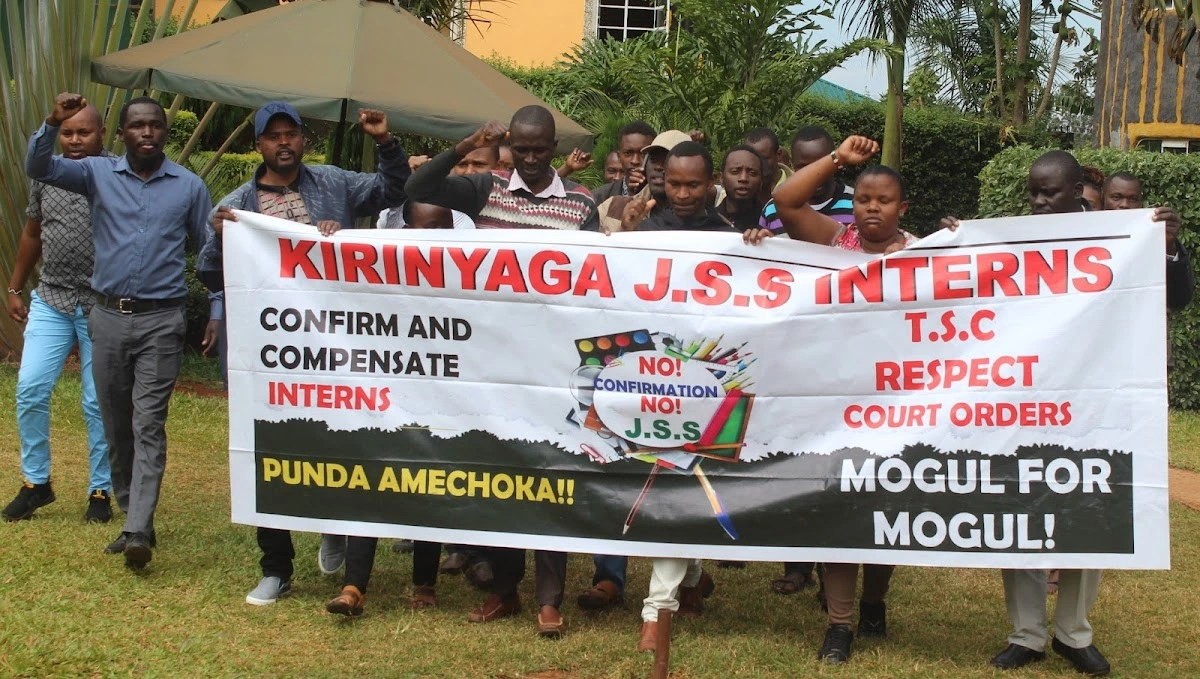
Despite these assurances, teachers report being turned away from hospitals, with some facilities demanding high out‑of‑pocket payments. Their grievances are compounded by a long‑running dispute over employment terms, including the non‑confirmation of 44,000 intern teachers and what they perceive as a slowdown in recruitment by the Teachers Service Commission (TSC).
On February 27, the Court of Appeal ruled that the internship programme under which TSC hired the teachers was discriminatory, unconstitutional, and illegal. The court found that deploying fully qualified and licensed teachers as interns constituted exploitation and unfair labour practices, and directed that such roles be converted to permanent, pensionable positions.
TSC had engaged the teachers on temporary contracts with a Sh20,000 monthly stipend to address staffing gaps arising from the transition of Grade 6 learners to junior school. But union officials argue the arrangement is unfair. “We note that most watchmen and cleaners with no formal education earn better than these teachers who are graduates, teachers who toiled to get the best grades in the education ladder,” said Yvonne Gitonga as quoted by one of the local news outlets. She added that the interns are overworked despite the low pay, worsening their grievances.
RELATED:
The teachers are also demanding administrative autonomy from primary schools, where junior schools are currently domiciled. They argue that the arrangement undermines their professional standing and limits operational independence.
The strike is expected to disrupt the reopening of schools for the second term.
By Masaki Enock
You can also follow our social media pages on Twitter: Education News KE and Facebook: Education News Newspaper for timely updates.
>>> Click here to stay up-to-date with trending regional stories
>>> Click here to read more informed opinions on the country’s education landscape