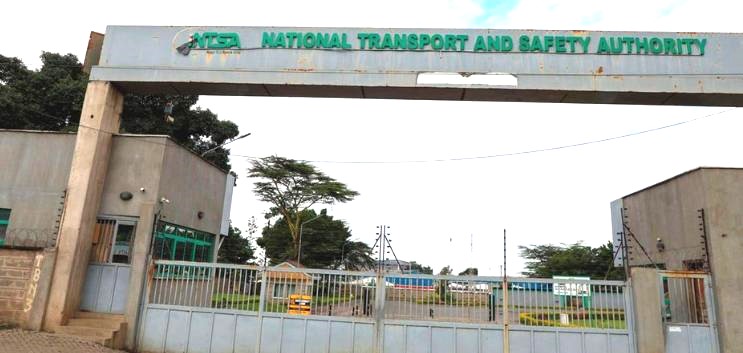
- New NTSA regulations taking effect on July 1, 2026, will introduce stricter vehicle inspections and tougher compliance requirements.
- The reforms affect private motorists, public service vehicles, commercial transport operators, motorcycle owners and government fleets.
- Authorities say the new framework will strengthen road safety through technology, accountability and continuous compliance.
Beginning July 1, 2026, every vehicle owner in Kenya will be required to comply with a new set of regulations introduced by the National Transport and Safety Authority (NTSA), ushering in one of the most comprehensive road safety reforms in the country’s history.
The regulations affect virtually every category of vehicle owner, including private motorists, motorcycle owners, public service vehicles (PSVs), commercial transporters, school buses, government vehicles and corporate fleets.
While much of the public discussion has focused on annual vehicle inspections and stricter enforcement, the reforms represent a broader shift in how road safety and traffic law compliance will be managed. Under the new framework, motorists will be expected to comply with traffic regulations at all times, whether or not a traffic officer is present.
One of the most significant changes is the introduction of mandatory annual vehicle inspections.
Effective July 1, 2026, private motor vehicles that are more than four years old must undergo annual inspections to confirm they meet prescribed roadworthiness standards before continuing to operate on Kenyan roads.
Public service vehicles, school buses, commercial vehicles, accident vehicles, modified vehicles and other categories specified by law will continue to undergo mandatory inspections.
Any vehicle that fails inspection must be repaired and successfully re-inspected before being allowed back on the road.
Motorists who fail to present their vehicles for mandatory inspection or continue operating vehicles that have failed inspection risk enforcement action under the new regulations.
The inspection programme is intended to identify worn-out tyres, faulty braking systems, defective steering, broken lighting systems and other mechanical defects that have contributed to many fatal road crashes.
Authorities believe removing unsafe vehicles from the roads before they cause accidents will save lives, reduce injuries and minimise the economic losses associated with road traffic crashes.
Digital enforcement and compliance
The reforms also introduce greater use of technology in enforcing traffic laws.
Digital systems, surveillance cameras and electronic records will increasingly be used to detect traffic offences and monitor compliance.
Motorists may receive official electronic notifications requiring them to pay prescribed penalties or challenge alleged offences through the legal process.
The digital approach is expected to improve efficiency, minimise corruption and promote fairness in traffic law enforcement.
Commercial transport operators will shoulder even greater responsibility under the new framework.
Owners of buses, matatus, trucks and other commercial fleets will be required to maintain proper maintenance records, employ qualified drivers, observe prescribed safety standards and ensure every vehicle remains mechanically sound throughout its operation.
Fleet owners and managers will also be held accountable for ensuring compliance within their organisations.
Tougher penalties for offenders
The regulations make it clear that violations will attract firm administrative and legal action.
Depending on the offence committed, motorists may face substantial monetary fines, mandatory compliance inspections, vehicle impoundment, suspension or revocation of driving licences, suspension or cancellation of PSV and commercial operating licences, and prosecution for serious offences such as dangerous driving, operating unroadworthy vehicles or repeatedly violating traffic laws.
Repeat offenders are likely to face even tougher sanctions, including longer licence suspensions and possible disqualification from driving in the most serious cases.
Unlike previous enforcement approaches that primarily targeted drivers, the new regulations place responsibility on every vehicle owner.
Whether someone owns a private car, motorcycle, family vehicle, school bus or commercial fleet, they are now legally required to ensure that their vehicles are properly maintained, insured, inspected where applicable and operated in full compliance with the law.
Road safety experts have welcomed the reforms, noting that Kenya continues to lose thousands of lives every year through preventable road crashes caused by speeding, reckless driving, mechanical defects, overloading and failure to observe traffic regulations.
By strengthening mandatory inspections, embracing digital enforcement and increasing accountability, the Government hopes to reverse this trend and build a safer transport system.
Ultimately, the new NTSA regulations are not simply about introducing additional requirements or penalties. They represent a national effort to change attitudes towards road safety by making compliance a continuous responsibility rather than an occasional obligation.
As the regulations take effect on July 1, 2026, the message from NTSA is clear: every journey matters, every vehicle must be roadworthy and every driver must obey the law.
READ ALSO: ASAL teachers urge TSC to review promotion rules for acting administrators
Those who comply will contribute to safer roads and a more disciplined transport system. Those who fail to comply should expect penalties ranging from fines and mandatory inspections to vehicle impoundment, licence suspension, cancellation of operating permits and prosecution where the law provides.
By Hillary Muhalya
You can also follow our social media pages on Twitter: Education News KE and Facebook: Education News Newspaper for timely updates.
>>> Click here to stay up-to-date with trending regional stories
>>> Click here to read more informed opinions on the country’s education landscape
>>> Click here to stay ahead with the latest national news.