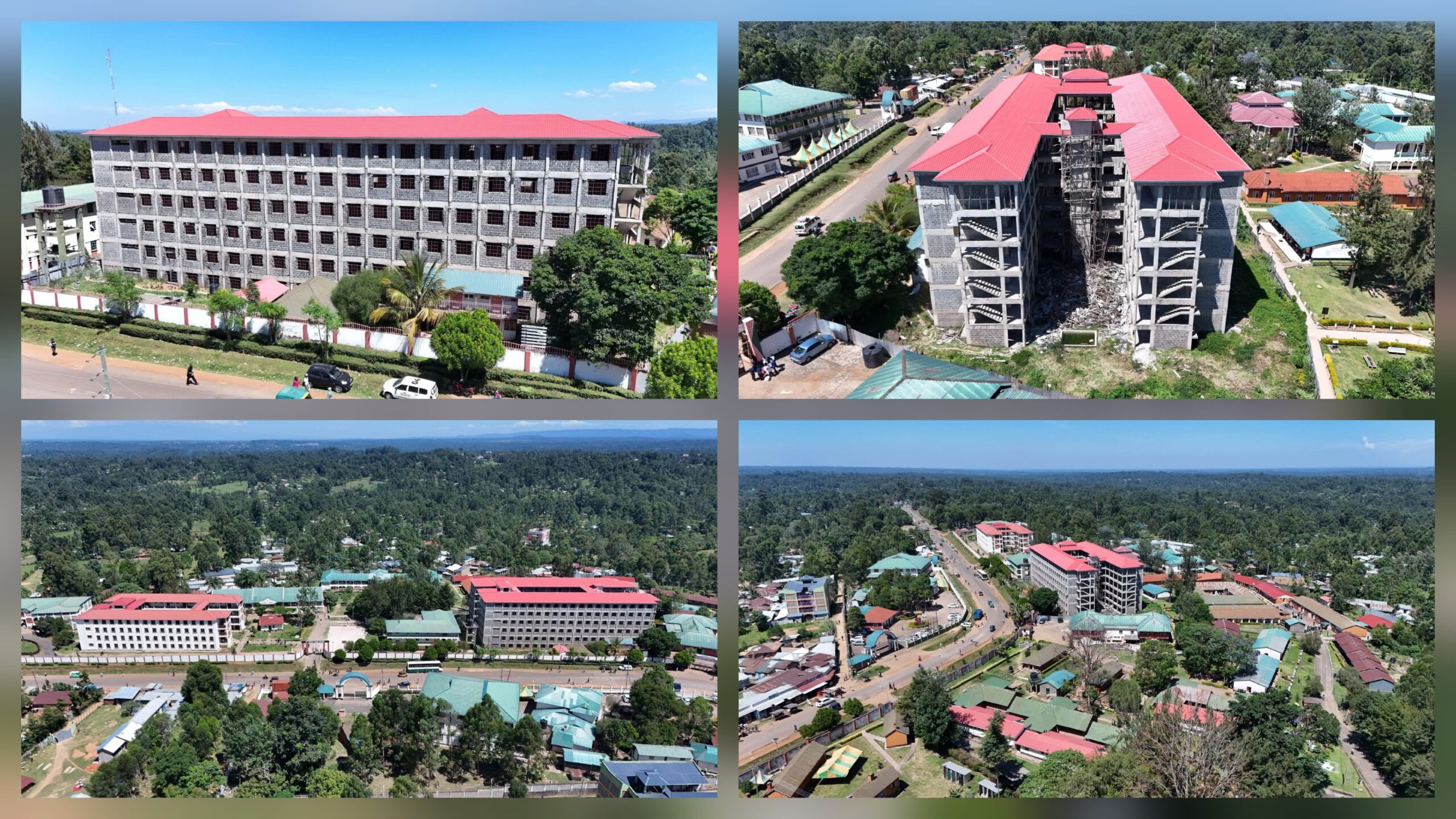
- A six-storey tuition complex at Sigalagala National Polytechnic has stalled amid a dispute over construction variations.
- MPs are pushing the institution and contractor to negotiate as concerns grow over further delays and rising costs.
- The parliamentary committee has given management two weeks to develop a workable solution for completing the project.
Construction of a Sh209 million tuition complex at Sigalagala National Polytechnic has stalled, with the contractor seeking to exit the project amid a dispute over variations and the rising cost of construction materials.
The six-storey classroom block was initially awarded at about Sh195.9 million and was expected to be completed in March 2024. However, an Auditor-General’s report for the 2023/2024 financial year revealed that the project was only 48 per cent complete during a physical inspection in November 2024.
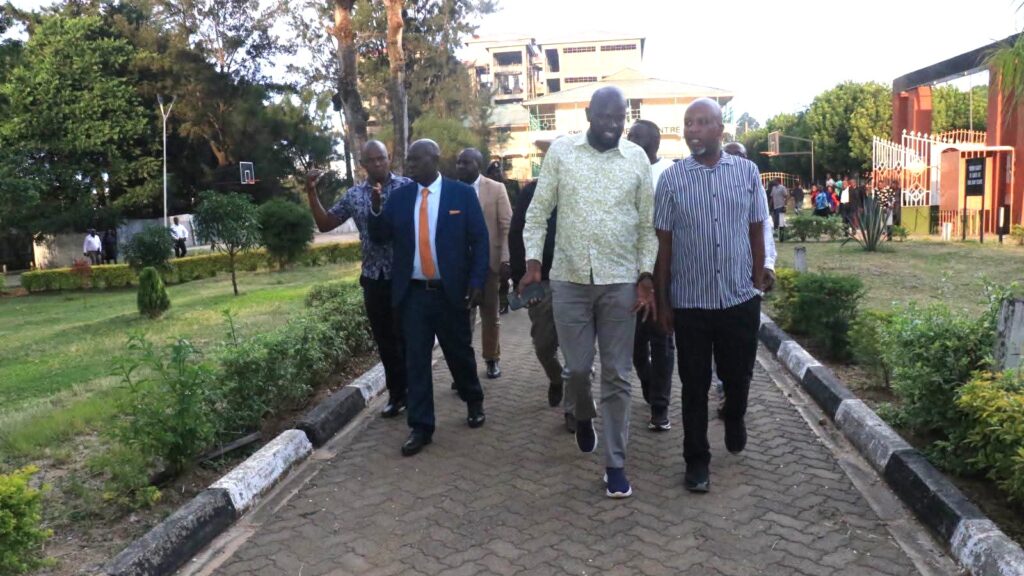
The delay came under scrutiny on Tuesday when the National Assembly’s Public Investments Committee on Governance and Education visited the institution to assess the project and establish the circumstances surrounding its slow implementation.
Public Works architect Anthony Ekajul told MPs that the contractor had requested additional payments, citing an increase in the cost of construction materials, particularly steel reinforcement.
“The building being the height it is, has quite an immense amount of steelwork reinforcement. He requested for variation in prices,” Mr Ekajul said.
According to the architect, the contract value increased by about Sh13 million, pushing the project cost from approximately Sh195.9 million to Sh209 million.
Although the project remains incomplete, key structural works have been undertaken. The foundation, superstructure and roofing have been completed, while windows have been installed.
Several critical works, however, remain outstanding, including doors, floor tiling, electrical and plumbing installations, balustrades and external rendering.
Mr Ekajul said the contractor had been granted two extensions of time, with the latest completion deadline set for November 19, 2026.
Sh12 million scaffolding claim rejected
The contractor has nevertheless moved off site after some of his claims were rejected by the project management team.
A major point of contention is a Sh12 million claim for external scaffolding. Mr Ekajul said the claim was rejected because the contractor was expected to include scaffolding costs in the rates submitted during tendering.
“He has to stick by that,” Mr Ekajul told the committee when asked whether the contractor was still bound by the original tender conditions.
The dispute subsequently escalated, with the contractor writing to the institution seeking termination of the contract. The project team has since begun the process of determining the next course of action.
Sigalagala Chief Principal Evans Bosire said management had refused to approve claims it considered unjustified, insisting that public funds must be protected.
“The contractor simply walked away, and he was forcing us to do variations. We cannot allow the government to lose,” Mr Bosire said.
Project Implementation Committee Chairman Walter Obwogo said the contractor had sought additional variations covering tiling, balustrades and door frames.
“We felt that we cannot manage to vary all those services because it meant that almost what is remaining is supposed to be varied,” he said.
Mr Obwogo said the contractor eventually submitted a termination notice after the latest extension period expired.
The committee was told that the polytechnic had already paid approximately Sh156 million, leaving about Sh53 million from the revised Sh209 million contract sum.
Despite the confrontation, Mr Obwogo said the contractor had expressed willingness to resume discussions with the institution.
“By next week or the other week, we are meeting together with the contractor to do project appraisal. Then from there, we know the way forward,” he said.
MPs divided over whether to terminate contract
The issue divided MPs, with some favouring negotiations to salvage the project while others supported termination if the contractual relationship had collapsed.
Kilome MP Thaddeus Nzambia warned that terminating the contract could expose the government to higher costs because construction materials had become more expensive.
“Whether you like it or not, even if you get a new contractor, you must understand that the cost of most of the materials has gone up,” Mr Nzambia said.
He called for negotiations between the institution and contractor to find a settlement that would allow the project to resume.
Kiminini MP Maurice Kakai Bissau similarly urged the parties to pursue dialogue, warning that termination could further delay completion and increase the project’s eventual cost.
“Contract termination is very painful,” Mr Bissau said, urging the institution to consider the contractor’s position before making a final decision.
However, Embakasi MP Mark Mwenje said termination should be pursued if the relationship between the institution and contractor had deteriorated beyond repair.
“If it has soured, based on my experience, that’s not a contractor you can work with now,” Mr Mwenje said.
He cautioned against prolonging a contractual relationship through multiple disputed variations.
Bomachoge Chache MP Alpha Miruka said contractors should not be unfairly expected to execute projects years later at prices agreed when market conditions were different.
“You cannot compare a contractor to do works at the price in 2022 to complete in 2026. That’s not fair,” Mr Miruka said.
Luanda MP Dick Maungu, who chairs the committee, directed the institution to engage the contractor and develop a workable solution within two weeks.
Mr Maungu said the committee was keen to ensure the stalled investment delivers value for money and is completed in accordance with procurement and public finance laws.
He also directed management to undertake a technical, financial, contractual and legal assessment to establish the exact status of the project, outstanding works and the cost required to complete it.
The institution maintained that it would not approve unsupported variations, enter into a replacement contract outside procurement law or release retention funds before contractual obligations were fulfilled.
READ ALSO: Certificates don’t make great teachers: 10 habits that separate outstanding teachers from the rest
The committee is expected to review the project after the institution and contractor conclude their planned engagement.
By Godfrey Wamalwa
Get more stories from our website: Education News
To write to us or offer feedback, you can reach us at: editor@educationnews.co.ke
You can also follow our social media pages on Twitter: Education News KE and Facebook: Education News Newspaper for timely updates.
>>> Click here to stay up-to-date with trending regional stories