Student strikes have continued to cast a dark shadow over many learning institutions, leaving behind destruction, fear, interrupted learning, and shattered dreams. Dormitories have gone up in flames, valuable property destroyed, academic calendars disrupted, and parents thrown into anxiety as schools struggle to restore order. Yet behind many of these crises lie warning signs that are often ignored until situations explode into full-scale unrest.
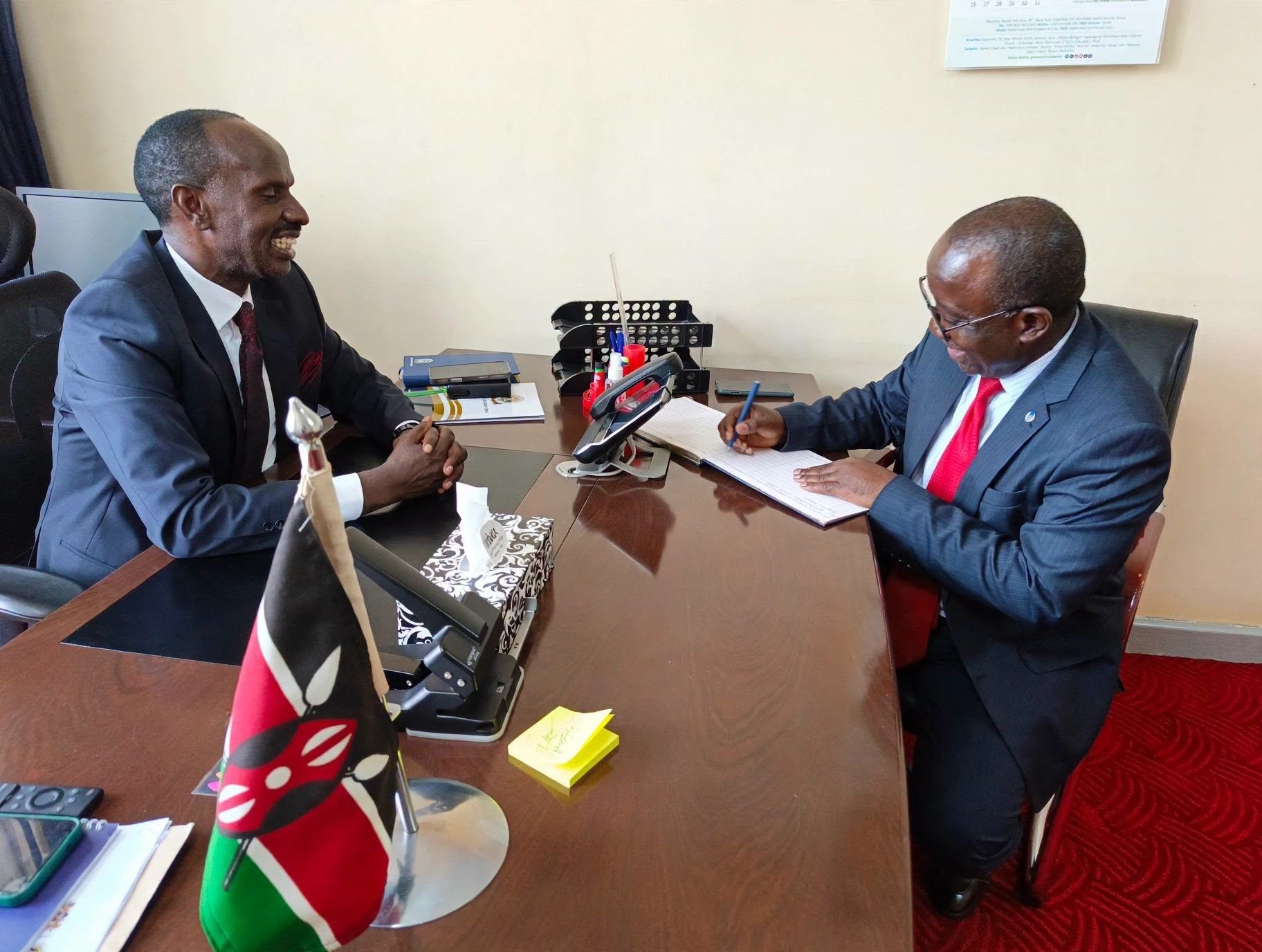
It is against this backdrop that the Principal Secretary (PS) of the State Department for Basic Education, Julius Bitok, during a virtual meeting held on 14th May 2026, delivered a powerful, timely, and practical roadmap for how schools can prevent student strikes before they erupt.
Professor Bitok emphasised that the war against student unrest cannot be won through fear, intimidation, or punishment alone. Instead, schools must build systems rooted in trust, communication, fairness, mentorship, and student welfare. According to him, one of the strongest weapons against strikes is a vibrant and effective guidance and counselling department. Learners today face enormous emotional, psychological, social, and academic pressure, yet many suffer silently. When students feel neglected, misunderstood, or emotionally overwhelmed, frustration begins to simmer beneath the surface.
He urged schools to strengthen counselling structures capable of offering continuous psychosocial support, mentorship, and emotional guidance to learners. Students who are listened to, guided, and supported are less likely to resort to violence or destruction. Guidance and counselling, he noted, should no longer be treated as a formality but as a central pillar of school stability.
RELATED:
The Principal Secretary also underscored the importance of involving students in school leadership and decision-making processes. Many strikes, he observed, are born from feelings of exclusion and silence. When learners believe their voices do not matter, resentment grows rapidly. Schools must therefore create open forums where students can air their grievances, share ideas, and participate responsibly in shaping school programs. Student leadership bodies should be empowered to become bridges of dialogue rather than spectators during moments of crisis.
On discipline, Professor Bitok cautioned schools against harshness, humiliation, discrimination, and excessive punishment. While discipline remains essential, he insisted that it must be fair, consistent, humane, and corrective. Fear may silence learners temporarily, but fairness earns lasting respect. Schools should focus on reforming behaviour and nurturing responsibility rather than creating hostility between learners and administrators.
Equally critical, he noted, is the role of parents in shaping discipline and stability. Schools cannot fight unrest alone while homes remain disconnected from the lives of learners. Strong collaboration between parents and schools is necessary in monitoring students’ welfare, behaviour, emotional well-being, and academic progress. Constant communication between schools and families creates a united support system around learners.
Professor Bitok further stressed that the condition of the school environment itself can either fuel peace or provoke unrest. Congested dormitories, broken facilities, poor sanitation, neglected infrastructure, and unhealthy living conditions often become silent triggers of dissatisfaction among learners. Students deserve safe, clean, dignified, and learner-friendly environments that support both their academic and personal well-being. A clean school is not merely about appearance; it reflects care, order, and respect for learners.
He also warned school administrators against ignoring early signs of unrest. Student strikes rarely occur suddenly. There are usually whispers before explosions, complaints before chaos, and warning signs before destruction. Teachers and administrators were urged to remain vigilant and attentive to unusual behaviour, tension among learners, anonymous notes, emotional withdrawal, or growing dissatisfaction within the student body. Prompt intervention, dialogue, and problem-solving can stop a crisis before it spirals out of control.
On the growing menace of drug and substance abuse, Professor Bitok described it as a dangerous force undermining discipline and fueling violence in schools. He called for continuous sensitisation programs involving counsellors, religious leaders, medical experts, and other stakeholders to educate learners on the dangers of drugs. Schools that actively fight substance abuse stand a better chance of maintaining order, discipline, and academic focus.
Teachers, he added, must also be equipped with modern skills in conflict resolution, mentorship, adolescent psychology, and student management. The challenges facing learners today are rapidly evolving, and educators must evolve as well. A teacher who understands learners emotionally and psychologically is better positioned to prevent conflict and guide students positively.
Bitok also championed the strengthening of co-curricular activities such as sports, music, drama, debates, clubs, and talent development programs. Such activities keep learners positively engaged, reduce idleness, promote teamwork, and build confidence. Schools that nurture talents often experience stronger unity, improved discipline, and happier learners.
PS Bitok repeatedly emphasised that schools must embrace open, respectful, transparent, and honest engagement with learners. Students want to be heard, understood, and respected. Administrators who listen carefully to grievances and respond fairly create environments where trust flourishes, and unrest struggles to survive.
ALSO READ:
Government proposes unified funding model for primary and junior secondary schools
He also raised concerns over fire incidents that frequently accompany school unrest and urged institutions to strengthen fire preparedness. Schools should conduct regular fire drills, train both staff and learners on emergency response procedures, and ensure firefighting equipment is functional and accessible. Preparedness can save lives and minimise destruction during emergencies.
Professor Bitok further called for unity and teamwork among all education stakeholders, including teachers, non-teaching staff, parents, boards of management, students, and government agencies. Preventing strikes, he argued, is a shared responsibility that requires collective commitment and collaboration.
Bitok urged schools to stop waiting for disasters before taking action. Institutions must become proactive rather than reactive. Regular meetings should be held to assess emerging concerns, evaluate school conditions, and address genuine grievances before frustration accumulates.
He also pointed to examination cheating as “the elephant in the house,” warning that academic dishonesty continues to erode discipline, integrity, and moral responsibility within schools. Addressing the vice decisively, he said, is necessary in restoring order and credibility in the education system. He further advocated for amendments to the TSC Act to strengthen school management and support administrators in maintaining discipline effectively.
Most importantly, Professor Bitok challenged school leaders to abandon high-handedness and instead embrace persuasion, dialogue, consultation, and engagement when resolving conflicts. Leadership built on fear may command silence for a moment, but leadership built on trust creates lasting peace.
His message resonated strongly: schools that invest in counselling, communication, fairness, teamwork, student welfare, and meaningful engagement are far more likely to remain peaceful, stable, and academically successful. Preventing student strikes is not about reacting to fires after they erupt — it is about removing the sparks long before the flames begin.
By Hillary Muhalya
You can also follow our social media pages on Twitter: Education News KE and Facebook: Education News Newspaper for timely updates.
>>> Click here to stay up-to-date with trending regional stories
>>> Click here to read more informed opinions on the country’s education landscape
>>> Click here to stay ahead with the latest national news.