

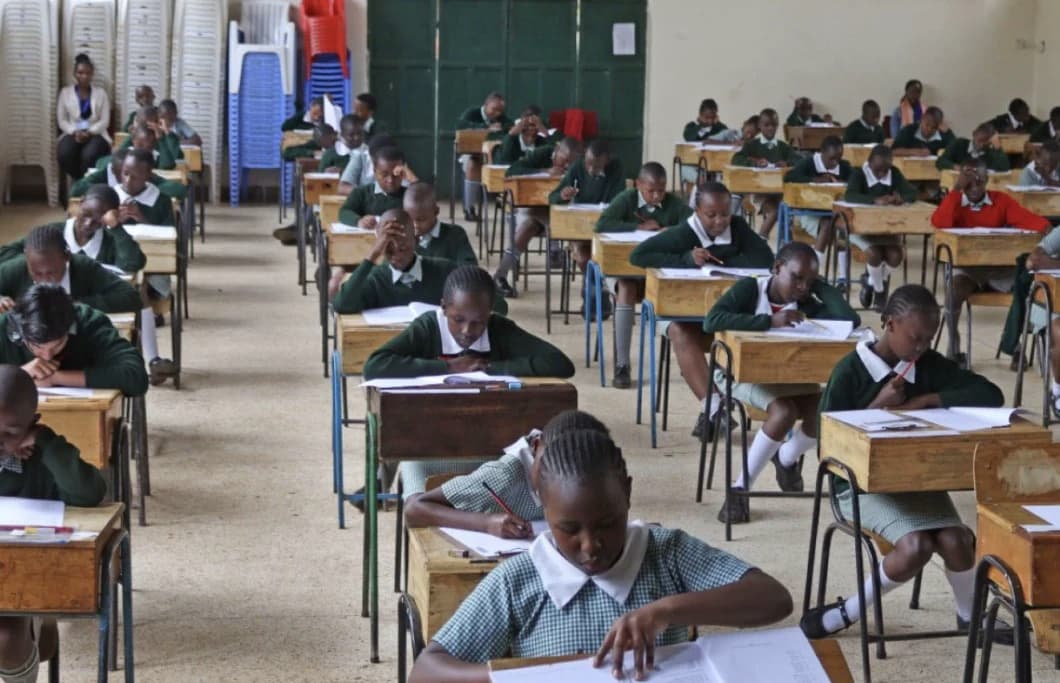

The Ministry of Education has admitted that more than 1.1 million secondary school learners have not been receiving capitation funds, citing rising enrolment against stagnant budget allocations that have failed to match the growing cost of free education.
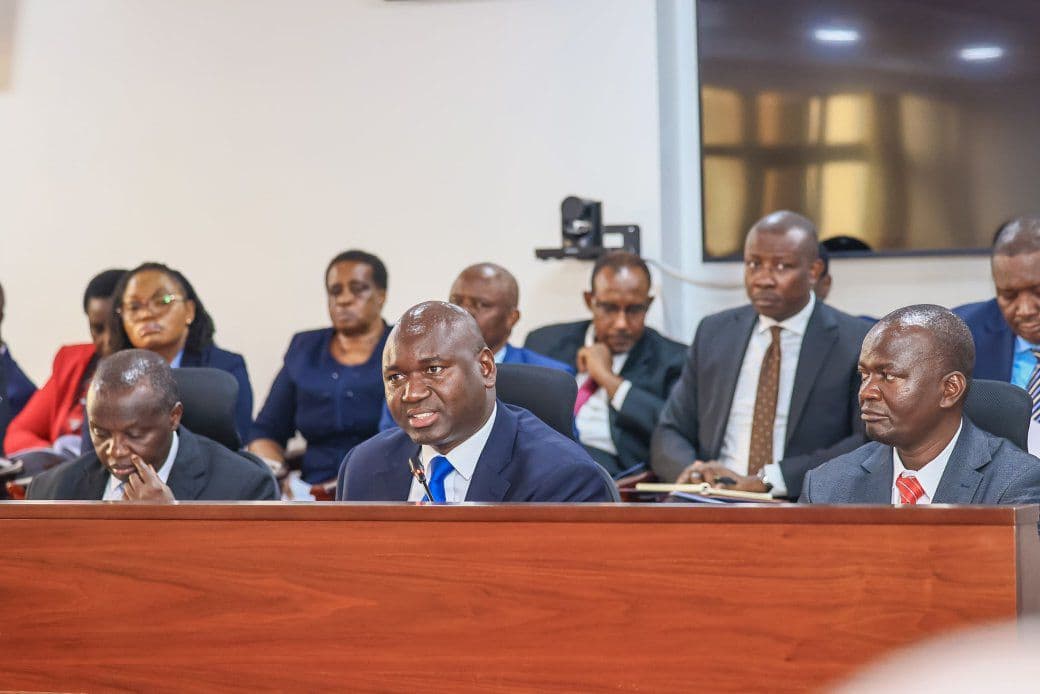
Appearing before the National Assembly’s Public Accounts Committee (PAC), Basic Education Principal Secretary Julius Bitok revealed that schools are operating under widening funding gaps, with disbursements falling short of policy requirements.
He explained that although the government set capitation at KSh22,044 per student, actual disbursements have averaged KSh15,844.38 per learner, leaving institutions with significant deficits.
Budgetary and enrolment data covering the 2020/2021 to 2023/2024 financial years show underfunding across all levels of education. Secondary schools recorded a deficit of KSh76.9 billion, junior secondary schools KSh31.9 billion, primary schools KSh14 billion, while secondary special needs education faced a shortfall of KSh67 million.
ALSO READ:
https://educationnews.co.ke/govt-releases-ksh23-4b-for-term-ii-capitation-ahead-of-school-reopening/
PS Bitok noted that enrolment has grown from 3.39 million learners in 2020/2021 to 4.03 million in 2023/2024, pushing funding requirements from KSh75.5 billion to nearly KSh89.8 billion.
“Despite this, the approved budget increased only marginally, resulting in a growing deficit that reached more than KSh25.8 billion by 2023/24. The number of learners not provided for increased from 724,959 to 1,161,349, and the amount paid per learner shows a decline from KSh17,495.95 to KSh15,844.38,” he told MPs.
The PS attributed the gap to fiscal constraints and rising enrolment, adding that funds are distributed transparently and equitably to verified learners. He disclosed that KSh23.4 billion in capitation funds was being wired to schools, expressing hope that institutions would receive the money by Friday ahead of the new term.
A special audit cited by the PS concluded that the current allocation model is inequitable, as it does not account for varying learner and school needs.
The audit also highlighted discrepancies between enrolment data in the National Education Management Information System (NEMIS) and actual school registers, affecting funding accuracy.
Bitok acknowledged the gaps, attributing them to delayed data entry, poor connectivity in rural areas, inadequate training, learner mobility through transfers or absenteeism, and lack of birth certificates for some students. He said the Ministry is transitioning from Nemis to Kemis to address these challenges.
ALSO READ:
https://educationnews.co.ke/how-to-bounce-back-to-school-after-holidays-a-guide-for-students/
Lawmakers raised concerns over the sustainability of free education under the current funding model. Samburu West MP Naisula Lesuuda questioned whether the government can fully finance the programme, while Aldai MP Marianne Kitany warned that the number of learners missing capitation has been rising sharply.
As millions of learners risk being excluded from capitation support, legistlators led by PAC chair Tindi Mwale criticised government priorities, warning that education funding must be treated as urgent.
By Masaki Enock
You can also follow our social media pages on Twitter: Education News KE and Facebook: Education News Newspaper for timely updates.
>>> Click here to stay up-to-date with trending regional stories
>>> Click here to read more informed opinions on the country’s education landscape
Reader Discussion (0)
Sign in to comment