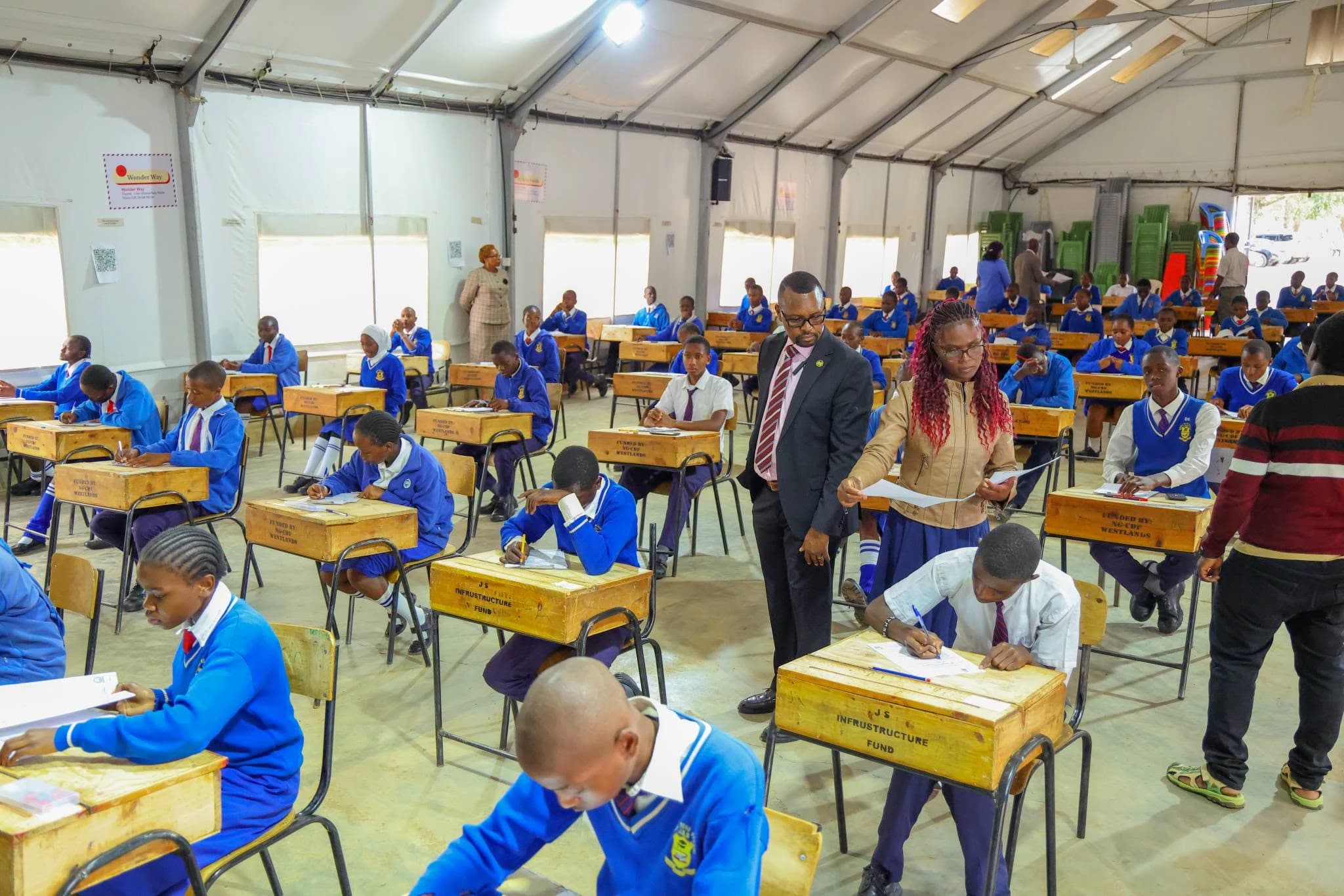



Kenya's education system is undergoing a significant transformation through the implementation of Competency-Based Education (CBE). The new curriculum seeks to move education away from heavy reliance on examinations and memorisation towards nurturing learners' abilities, talents, skills, values and practical competencies.
As the country continues to invest in this transformation, one critical question must be addressed: are public primary schools adequately prepared to accommodate learners with special educational needs?
For CBE to achieve its objectives, every public primary school in Kenya should establish a properly equipped special needs education unit. This should not be seen as a privilege for a few learners but as a basic requirement for inclusive, equitable and quality education for every Kenyan child.
CBE must leave no learner behind
One of the basic principles of CBE is that every learner has unique abilities, interests, talents and learning needs. Children do not learn at the same pace or in the same way. Some have hearing or visual impairments, physical or intellectual disabilities, autism, learning difficulties and other developmental challenges.
Unfortunately, many public primary schools lack the specialised facilities, trained personnel and learning resources needed to support these learners effectively. How can we claim to implement an inclusive curriculum when some learners cannot access learning materials, take part in classroom activities or demonstrate their competencies because their schools lack the necessary support? Establishing special needs units in every public primary school would be a significant step towards addressing this.
Early identification and intervention
Special needs units would help schools identify learners with disabilities and developmental or learning difficulties early. This is essential because it allows teachers, parents and specialists to intervene before a learner's challenges become more pronounced.
A child with hearing difficulties, for instance, may be wrongly seen as academically weak, while a learner with a specific learning disability may be labelled lazy or inattentive. With properly established units, such learners can receive appropriate assessment, intervention and educational support, improving their participation, confidence and overall development.
Making CBE truly inclusive
CBE emphasises practical learning, creativity, critical thinking, communication, collaboration and problem-solving. These competencies cannot be developed effectively if learners with disabilities are not given accessible learning environments.
Special needs units would offer specialised instruction, individualised learning programmes and differentiated teaching. Learners with visual impairments could access Braille materials and assistive technology, and those with hearing impairments could benefit from Kenyan Sign Language support. Learners with physical disabilities could use adapted learning equipment and suitable facilities. Such support would ensure that disability does not become a barrier to acquiring the competencies envisioned under CBE.
The shortage of special needs teachers
Another major challenge is the inadequate distribution of trained special needs education teachers. Many schools have learners with disabilities but no teachers with the professional skills to support them, so regular classroom teachers are often left to handle diverse needs without adequate preparation.
Establishing special needs units would encourage the government to deploy qualified special needs education teachers across the country. These teachers could also serve as resource persons, supporting regular teachers in developing inclusive teaching strategies and assessment methods.
Resources and assistive technology
Successful implementation of CBE requires adequate teaching and learning resources, and for learners with disabilities, these must be adapted to individual needs. Every public primary school should progressively be equipped with essentials such as Braille machines, tactile learning materials, hearing support devices, adapted computers, communication boards, accessible toilets and other assistive technologies. Special needs units would provide a structured place to organise and use them.
The government, the writer argues, should therefore treat special needs education funding as an essential part of CBE implementation and not an optional expense.
Easing the burden on parents
Currently, some parents are forced to travel long distances or pay for expensive specialised services because their local public schools lack facilities to support their children. This puts children from low-income households and those in rural and marginalised communities at a disadvantage.
Special needs units in public primary schools would bring specialised support closer to communities, reduce unnecessary travel, ease the financial burden on parents and promote equal access to education. No Kenyan child should be denied quality education simply because their family cannot afford specialised services elsewhere.
Social inclusion and national cohesion
Education is not only about academic knowledge. It also prepares children to live and work together in society. Special needs units within regular public primary schools would create opportunities for interaction between learners with and without disabilities. Such interaction promotes empathy, tolerance, understanding and respect for diversity, and helps dismantle negative attitudes and stereotypes about disability from an early age.
Support for gifted and talented learners
Special educational needs are not limited to learners with disabilities. Some learners show exceptional abilities in music, sports, mathematics, technology, leadership and the creative arts, and they also need opportunities to develop their talents. Schools should establish support programmes that identify and nurture different abilities, so that no learner's potential goes unnoticed.
Bureaucracy and negative attitudes
Despite the importance of special needs units, efforts to establish and register them have reportedly faced numerous challenges. According to the writer, bureaucratic procedures, claims by some headteachers of inadequate space and negative attitudes among some education stakeholders have emerged as significant obstacles.
The registration process, he says, should be simplified, transparent and accessible to schools willing to accommodate learners with disabilities, and schools that meet the requirements should not face unnecessary delays.
On space, the writer accepts that infrastructure constraints are real in some institutions but says that lack of space should not automatically become an excuse for denying learners support. School administrators should explore practical alternatives, including reorganising existing facilities, sharing suitable learning spaces and undertaking phased infrastructure development.
He also says that some stakeholders view special needs units as an added burden to schools instead of an essential part of inclusive education. Such attitudes, he argues, raise serious questions about the country's commitment to CBE: how can we claim to nurture every learner's potential when some stakeholders are unwilling to accommodate learners who need additional support?
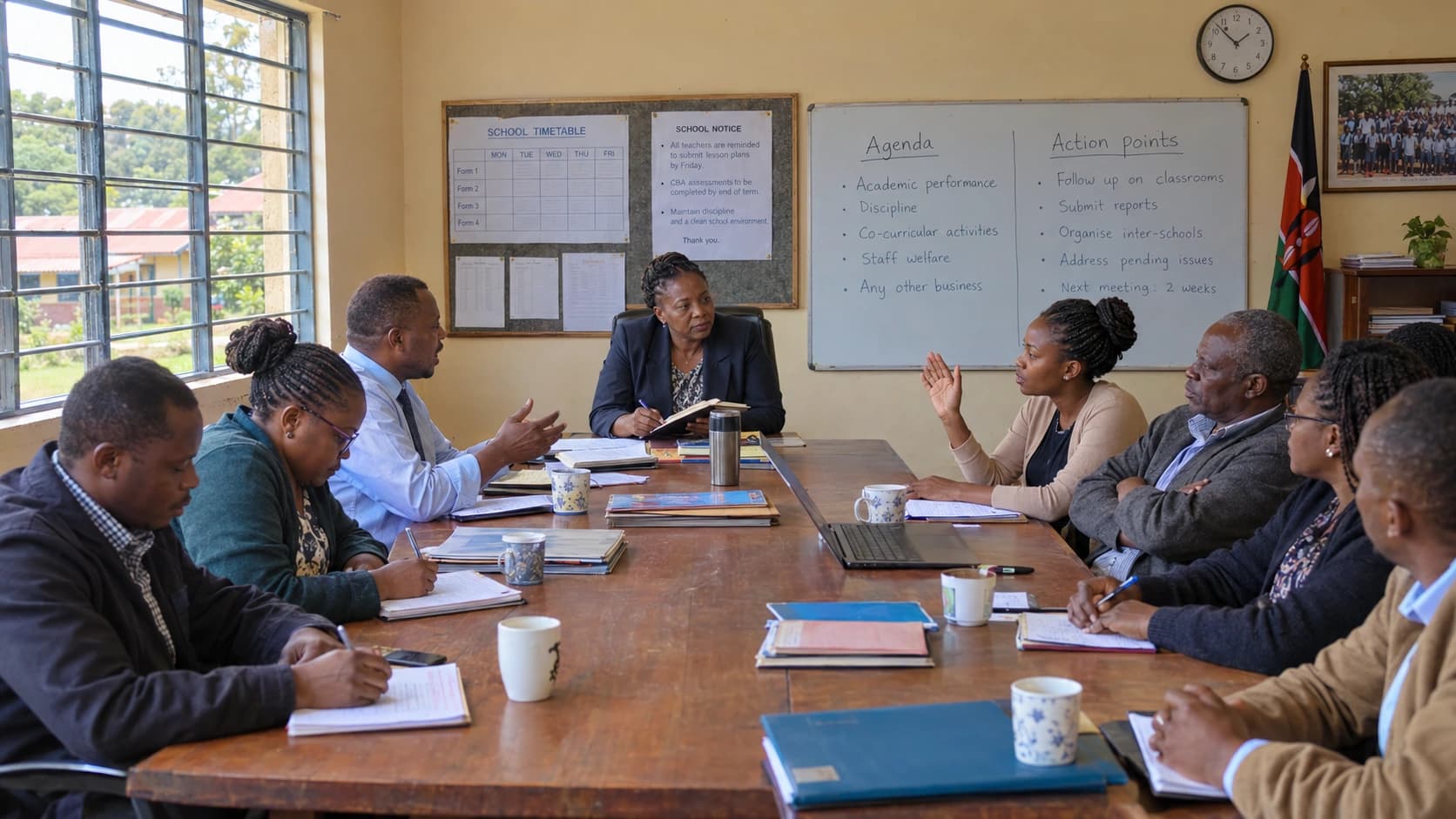
There is an urgent need for stakeholder sensitisation, policy awareness and a change of mindset, he says. The Ministry of Education, the Teachers Service Commission (TSC), school administrators, parents and other stakeholders must work together to remove unnecessary administrative obstacles and misconceptions. Special needs education is not a favour to learners with disabilities. It is an educational right and a national responsibility.
What the government should do
The responsibility of making CBE succeed cannot be left to individual schools and parents. The national government, through the Ministry of Education and relevant agencies, should take deliberate steps to strengthen special needs education. These include establishing adequately equipped special needs support units in all public primary schools, recruiting and deploying enough qualified special needs education teachers, and providing assistive devices and specialised learning materials. There is need for adequate funds for inclusive education programmes, training for regular teachers in inclusive teaching and assessment, and improved school infrastructure for learners with physical disabilities. In addition, the registration and approval procedures for special needs units should be simplified, headteachers and other stakeholders should be sensitised on the importance of inclusive education, and partnerships among schools, parents, health professionals and other stakeholders should be strengthened.
Importantly, special units should complement inclusive learning and not isolate learners with disabilities. Learners should take part in regular classrooms and school activities as much as possible, with specialised support provided according to individual needs.
The success of CBE should not be measured only by the number of schools implementing the curriculum, the availability of textbooks or the construction of classrooms. It should also be measured by how well the education system identifies, accommodates, supports and nurtures every learner's potential. A curriculum that promises to nurture every learner's abilities must have structures that make that promise real.
Every public primary school should therefore have a properly equipped special needs education unit, backed by qualified personnel, adequate funding and appropriate resources. Learners with disabilities are not an afterthought in the CBE reform agenda. They are an integral part of Kenya's education system and deserve equal opportunities to learn, develop and succeed. The Ministry of Education must also address the bureaucratic hurdles, institutional resistance and negative perceptions that continue to frustrate the establishment and registration of these units.
The question is no longer whether Kenya can afford to establish special needs units in all public primary schools. The real question is whether Kenya can afford to implement CBE successfully without them.
Inclusive education is not a favour to learners with disabilities. It is a right. CBE will only succeed when every learner counts.


Reader Discussion (0)
Sign in to comment