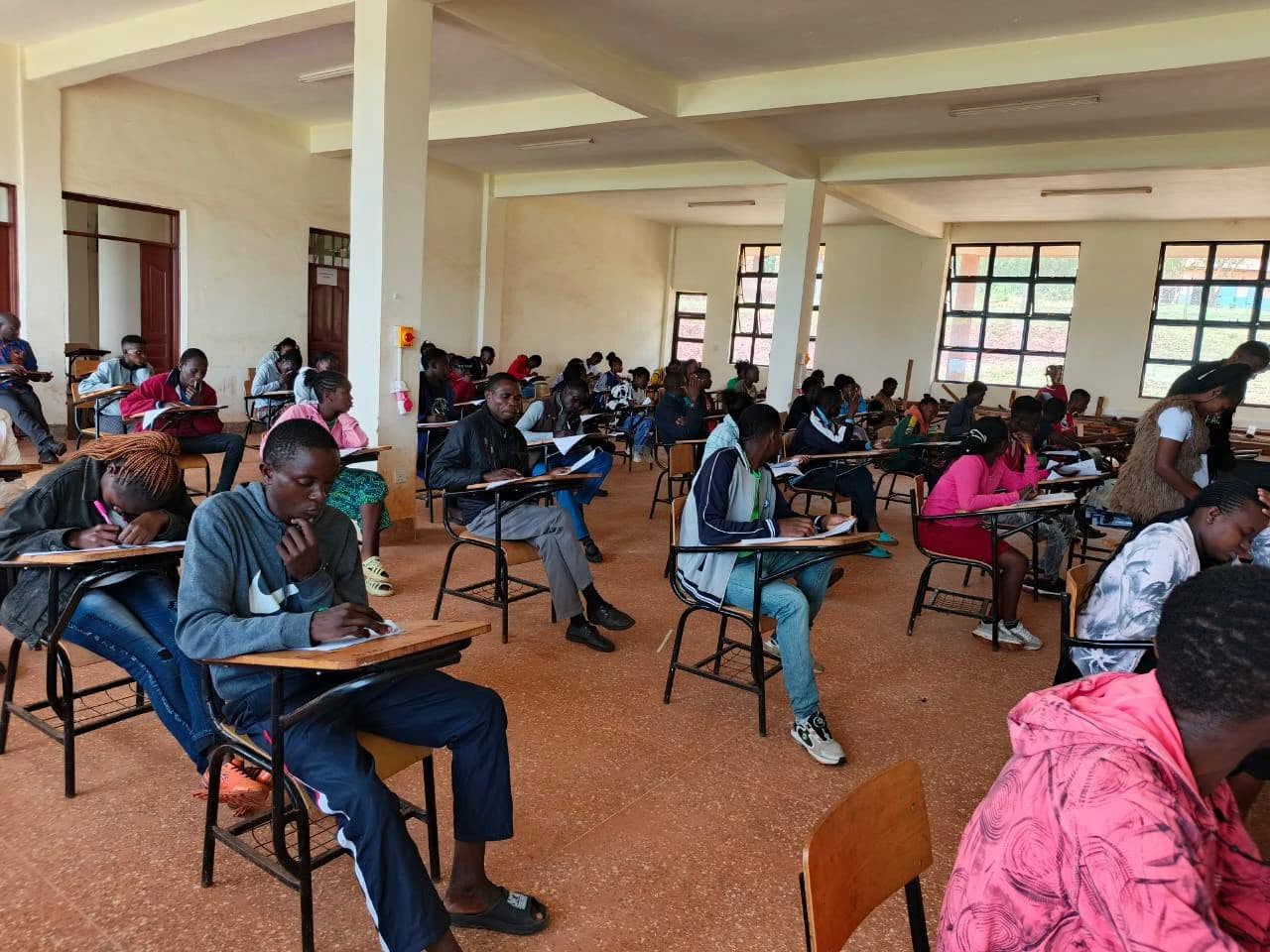






Visit many comprehensive schools in Kenya at 8:00 AM, and you will notice something strange. The headteacher is in Grade 6, 7 or 8, supervising. The deputy is in Grade 5 or 6, checking. But in ECDE, PP1, PP2 and Grades 1 to 3, there is no supervision. The classes are left to themselves, often in the hands of the youngest teachers or the most frustrated ones.
This is the ghost of 8-4-4 still living in the Competency-Based Curriculum (CBC). If headteachers do not change, CBC will fail from the foundation.
The 8-4-4 mentality: lower classes as a dumping site
Under the 8-4-4 system, most headteachers treated ECDE and Classes 1 to 3 as punishment. A teacher who was indisciplined, stubborn, always late or at odds with the headteacher would hear: "Toka hapo darasa la nane, enda ufundishe baby class" (get out of Class Eight and go teach baby class). The lower classes became a dumping site for teachers with disciplinary problems, those considered weak in content, older teachers waiting to retire, and ECDE teachers not employed by the Teachers Service Commission (TSC) who were seen as "not real teachers".
Class 7 and 8 were "heaven". The best and most motivated teachers were posted there because the headteacher's reputation rested on the KCPE mean score. Upper primary teachers were praised on parade, given allowances and remedial money, taken for benchmarking and given priority in TPAD appraisal. Lower primary teachers were never recognised.
No one ever said, "Mwalimu wa ECDE amefanya kazi mzuri" (the ECDE teacher has done a good job) on parade. Their work was invisible, so teachers fought not to be posted there.
Why this mentality threatens CBC
CBC is built differently. Under 8-4-4, a child who struggled in Classes 1 to 3 could still be pushed through to Class 8 and perhaps pass KCPE by cramming. Under CBC, the skills that make later learning possible are laid in the early years.
Reading is learned in Grades 1 to 3, not Grade 7. A learner who does not read fluently by then will struggle with Integrated Science in Grade 7 and Agriculture in Grade 8, because junior school subjects depend heavily on reading and comprehension. Numeracy is built in PP1 to Grade 3, and a child who does not master number recognition, addition and subtraction will struggle with Mathematics in Grades 7 to 9.
Values, hygiene and the core competencies, such as communication, critical thinking and creativity, are shaped in ECDE through play, not in Grade 8 through punishment. A headteacher who neglects the foundation is like a farmer who plants poorly and expects a big maize harvest in December.
Last term I visited five comprehensive schools in Busia. An ECDE teacher in Sinyenye told me: "The headteacher has never entered my class this whole term. But he enters Grade 8 three times a day. Am I not a teacher?"
I also found Grade 4 learners who cannot read a Grade 2 English sentence, because the weakest teacher was placed in Grade 2 and the best in Grade 8 to chase the KJSEA mean score. In many schools, upper primary and junior school classrooms have desks, painted walls and charts, while ECDE and Grade 1 to 3 rooms have broken floors, no charts, no play materials and leaking roofs.
Motivation follows the same pattern: schools buy a soda for a Grade 8 teacher who finishes the syllabus, but rarely for a Grade 1 teacher who gets all 40 learners reading.
Investing early pays later
Headteachers who invest in ECDE and lower primary will enjoy upper primary and junior school. If all learners in Grades 1 to 3 read fluently in English and Kiswahili, teachers in the later grades will not struggle. Learners will read and research on their own.
If learners master numbers early, Grade 7 Mathematics teachers will not be teaching Class 2 work, as JSS teachers now complain: "We are teaching Grade 7 learners who cannot add." If discipline, cleanliness and values are built in ECDE, there will be fewer indiscipline cases in Grades 7 to 9. The schools that will shine in the junior school assessment in five years are those putting effort into PP1 to Grade 3 today.
What should headteachers do now?
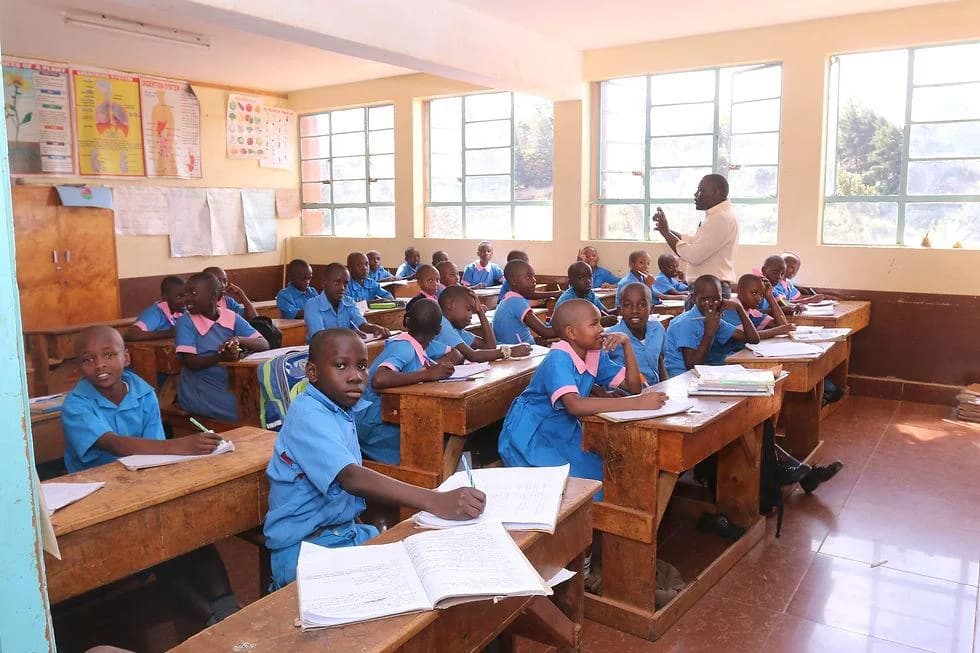
I would urge headteachers to start their morning supervision in ECDE and Grade 1, not Grade 8, spending the first 30 minutes there, checking reading charts and books and greeting the young teachers.
They should post their most patient and competent reading teachers to Grades 1 to 3 as an investment, not as punishment, because Grade 8 learners can read on their own and Grade 1 learners cannot.
Recognition should be equal. In assemblies and staff meetings, ECDE and lower primary teachers should be praised first, for example: "Mwalimu wa PP2 amewezesha watoto wote kuhesabu 1 hadi 50. Pongezi." Part of the capitation should be spent on reading books for Grades 1 to 3, and on play materials, crayons, charts and floor mats for ECDE. CBC says learning in lower classes should be play-based, and without materials there is no CBC.
Reading should be monitored strictly. I suggest a simple Friday assessment, which I call "Friday Soma", with the headteacher personally listening to five learners read every week. Teachers who are indisciplined should be dealt with under the TSC Code, not by giving them young children. Parents of PP1 to Grade 3 learners should also be called to meetings and told to help their children read at home, because that is where parental involvement matters most.
Back to the foundation
During 8-4-4, we concentrated on the roof, Class 7 and 8, and forgot the foundation. The house was shaking. CBC gives us a second chance to build it strongly. A headteacher who still sees ECDE and lower primary as a dumping site is still living in 8-4-4 while teaching CBC, and will suffer when non-readers reach Grades 7 to 9. One who invests in reading from PP1 to Grade 3 will find teaching in the upper classes easier, with learners who are independent, disciplined and able to read and write.
CBC is good, but CBC starts in ECDE, not in junior school. Let administration embrace the lower classes.
Reader Discussion (0)
Sign in to comment