



President William Ruto has ordered an enhanced national response to Ebola virus disease following confirmation of Kenya’s first imported case of Bundibugyo virus disease.
The directive comes as health authorities intensify surveillance, contact tracing and screening to prevent local transmission of the virus after a Kenyan who had travelled from the Democratic Republic of Congo (DRC) through Uganda to Nairobi died on October 5.
The patient travelled by road from the DRC to Kampala on October 2 before flying to Nairobi on October 3. The patient, who had fallen ill while in the DRC, was isolated at a Nairobi hospital and subsequently tested positive for Bundibugyo virus at the National Virology Reference Laboratory and the Kenya Medical Research Institute (KEMRI).
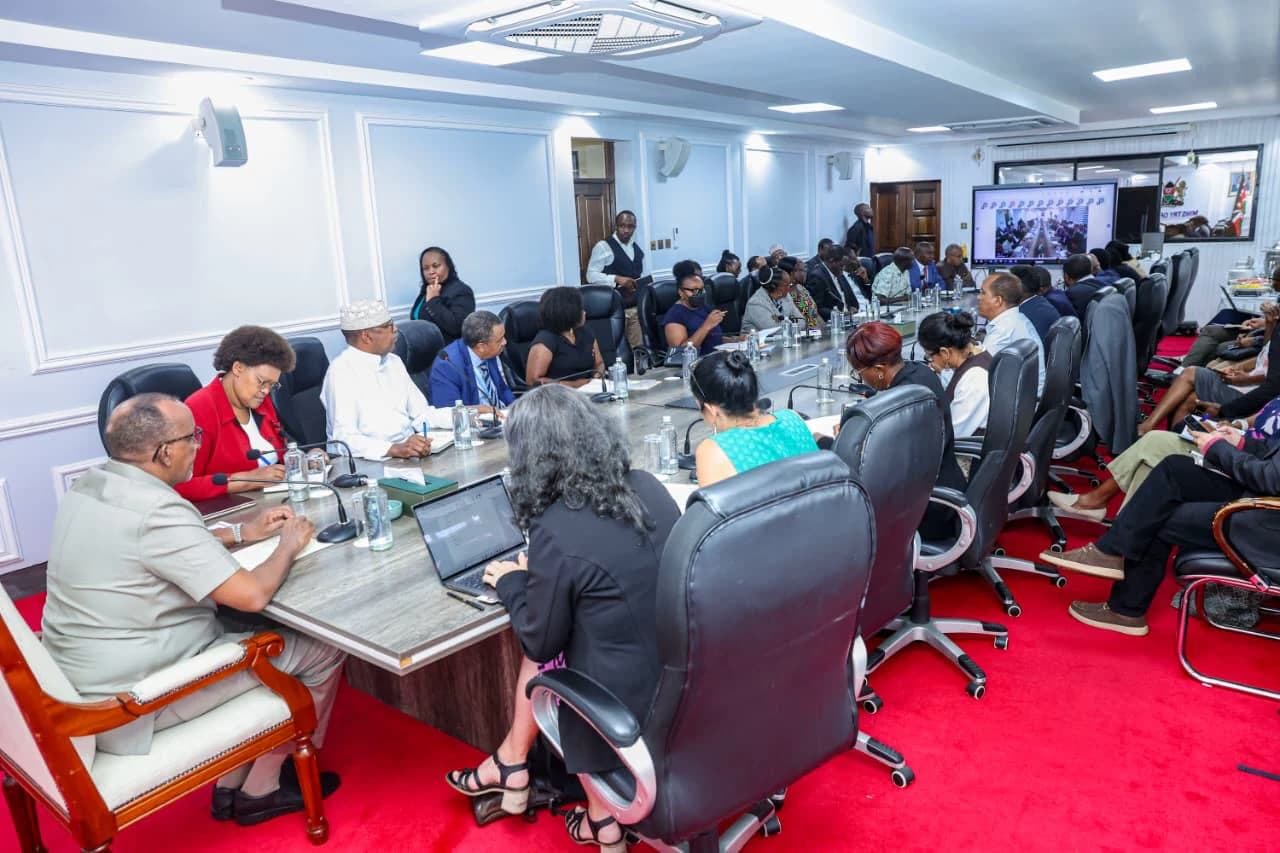
The President has directed the National Security Council Committee to assess the situation and recommend additional measures to strengthen the country’s preparedness and response.
Health officials have since stepped up contact tracing, with family members, healthcare workers and other people who may have come into contact with the deceased placed under monitoring or quarantine.
Authorities are also tracing passengers and crew members who travelled on the same flight as the patient as part of efforts to identify any possible exposure.
The government has maintained that there is no evidence of additional Ebola cases in Kenya so far, even as surveillance continues at points of entry and health facilities.
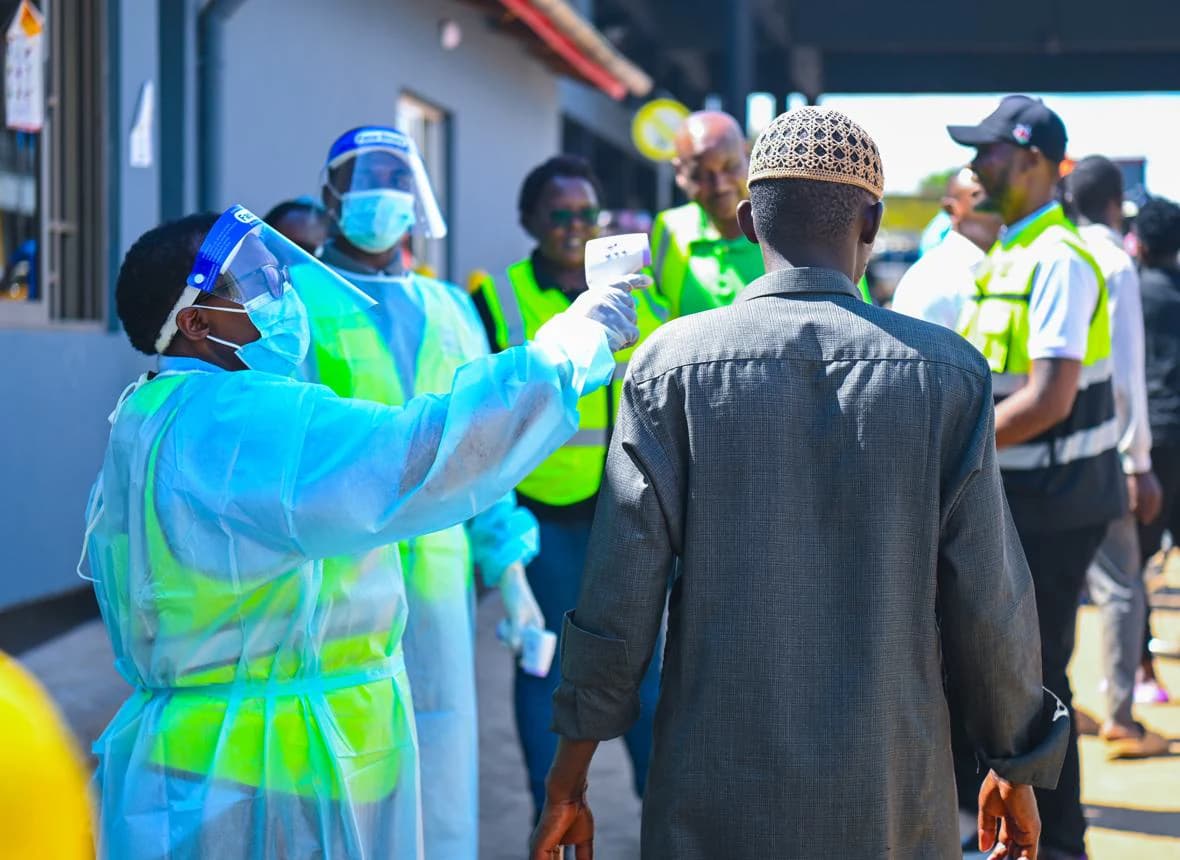
Surveillance intensified
By October 6, 652,584 travellers had been screened and 267 samples tested in five designated laboratories, with only the deceased patient testing positive.
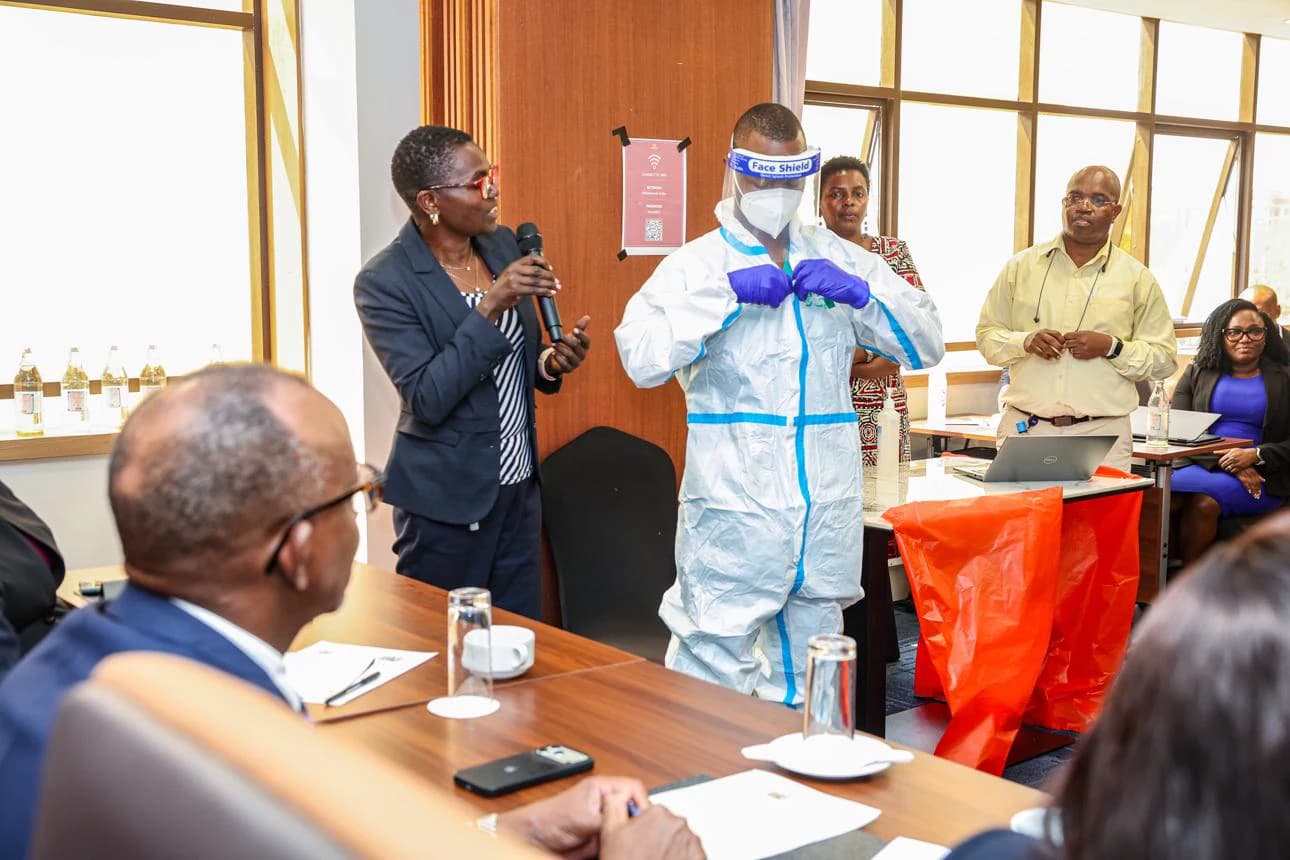
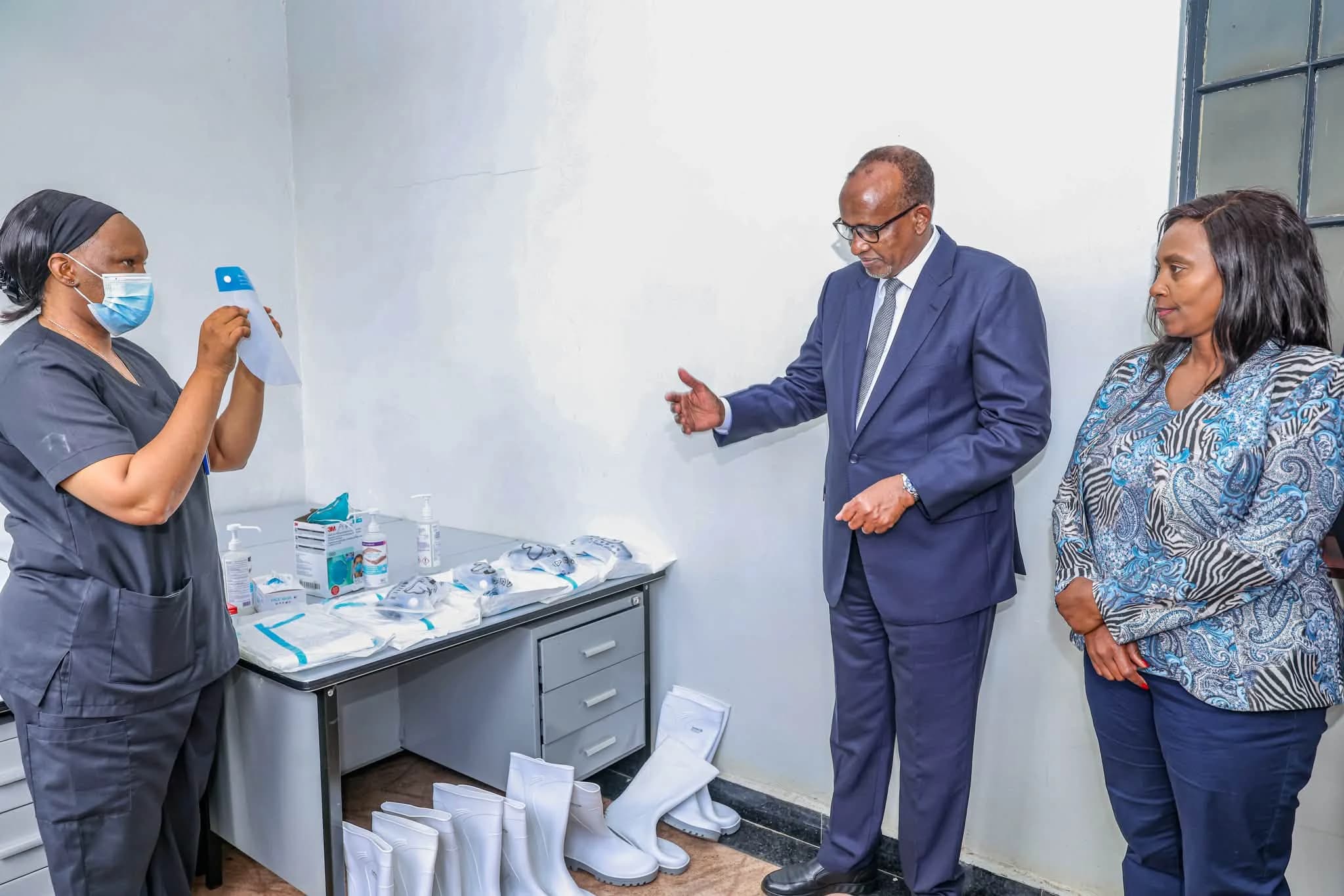
The government has also trained nearly 5,000 healthcare workers on Ebola prevention, detection and management as part of efforts to strengthen the country’s capacity to respond to the disease.
Kenyans have been urged to remain vigilant, observe proper hygiene and seek medical attention if they develop symptoms associated with Ebola, including fever, severe headache, muscle pain, weakness, vomiting, diarrhoea and unexplained bleeding.
The deceased was buried under safe-burial protocols as authorities moved to limit the risk of further transmission.
The World Health Organization is supporting Kenya with technical assistance, testing supplies and protective equipment as the country continues its response.
The development has heightened vigilance in the region amid the ongoing Bundibugyo virus outbreak, with authorities maintaining surveillance to prevent further spread into communities.
Reader Discussion (0)
Sign in to comment