





Kenya has reported its third Ebola infection after a close family member of the country's first two confirmed patients tested positive for the virus, the Ministry of Health announced on Friday, October 16, 2026.
According to the ministry, the latest patient is a 65-year-old woman who had been placed under quarantine since October 6 as part of efforts to contain the spread of the disease.
The woman subsequently developed symptoms associated with Ebola, prompting health officials to isolate her and conduct laboratory tests that confirmed the infection.
"Once she developed fever, sore throat and malaise, she was isolated and specimen collected for testing. She tested positive for Ebola," the statement said, adding: "She was diagnosed early and is currently receiving supportive care improving her chances of recovery."
Kenyan infections linked to Congo outbreak
The three cases recorded in Kenya have been traced to the ongoing Ebola epidemic in the Democratic Republic of Congo (DRC), which has become the second-largest outbreak of the disease ever recorded worldwide.
The epidemic has affected more than 9,000 people and claimed over 4,000 lives, raising concerns about the possibility of infections spreading across international borders.
Kenya confirmed its initial Ebola infection last week following the death of a Kenyan man who had previously fallen ill while in the Democratic Republic of Congo.
The patient reportedly experienced symptoms approximately one month before travelling by road from Congo to Uganda.
He later boarded a flight to Nairobi on October 3, where a family member picked him up and transported him to hospital for medical attention.
Despite receiving medical care, the man died in early October, becoming Kenya's first reported Ebola-related fatality in the current outbreak.
Background
Ebola virus disease is a severe and potentially fatal illness that affects humans and can spread through direct contact with the blood, bodily fluids or contaminated materials of an infected person.
The disease commonly presents with fever, severe weakness, headache, muscle pain and sore throat. Some patients may subsequently develop vomiting, diarrhoea, impaired kidney and liver function, and unexplained bleeding.
The Democratic Republic of Congo has experienced several Ebola outbreaks over the years, with the country's history of recurring infections presenting significant challenges to disease surveillance, healthcare delivery and cross-border containment.
The 2018–2020 Ebola epidemic in eastern Congo was previously recognised as the second-largest outbreak globally, after the devastating West African epidemic of 2014–2016.
The current outbreak, which began in May 2026, has surpassed the 2018–2020 epidemic in reported infections and deaths.
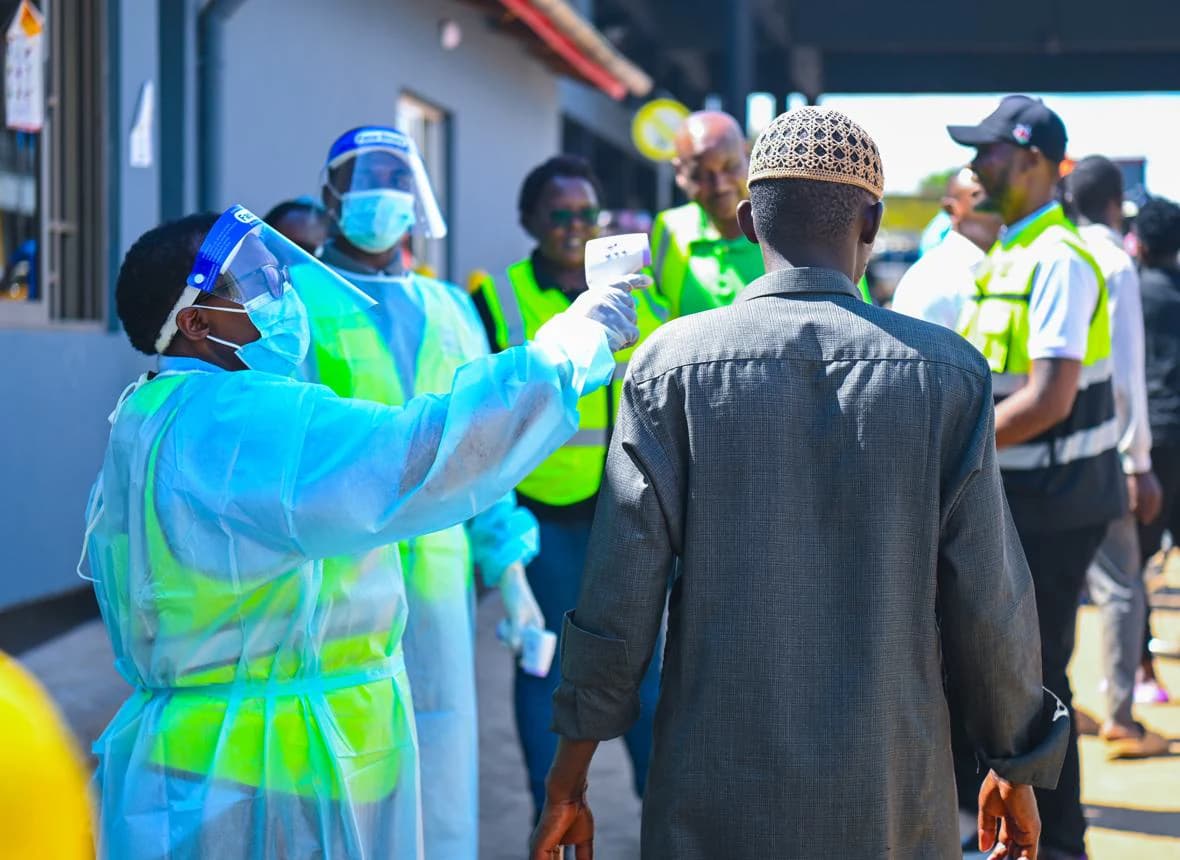
Public health responses to Ebola generally involve early detection, isolation of confirmed patients, contact tracing, infection prevention measures and supportive medical treatment. Vaccination may also be used for outbreaks involving Ebola virus species for which approved vaccines are available.
Health authorities emphasise that rapid identification of suspected infections and timely medical intervention are essential to reducing transmission and improving patients' chances of survival.



Reader Discussion (0)
Sign in to comment