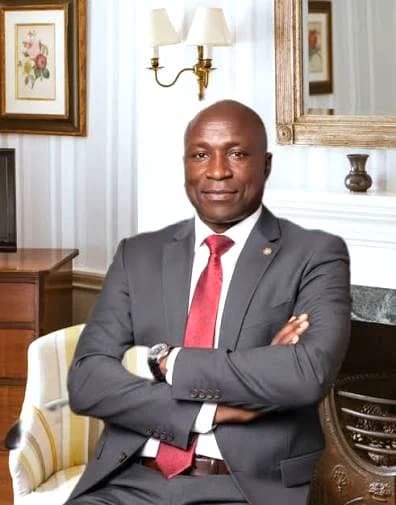
KNEC has been urged to reconsider the deployment of KCSE examination supervisors to distant centres, amid concerns over transport costs, safety and remuneration.
The Kenya National Examinations Council (KNEC) has been urged to reconsider the deployment of Kenya Certificate of Secondary Education (KCSE) examination supervisors to centres located far from their usual work stations.
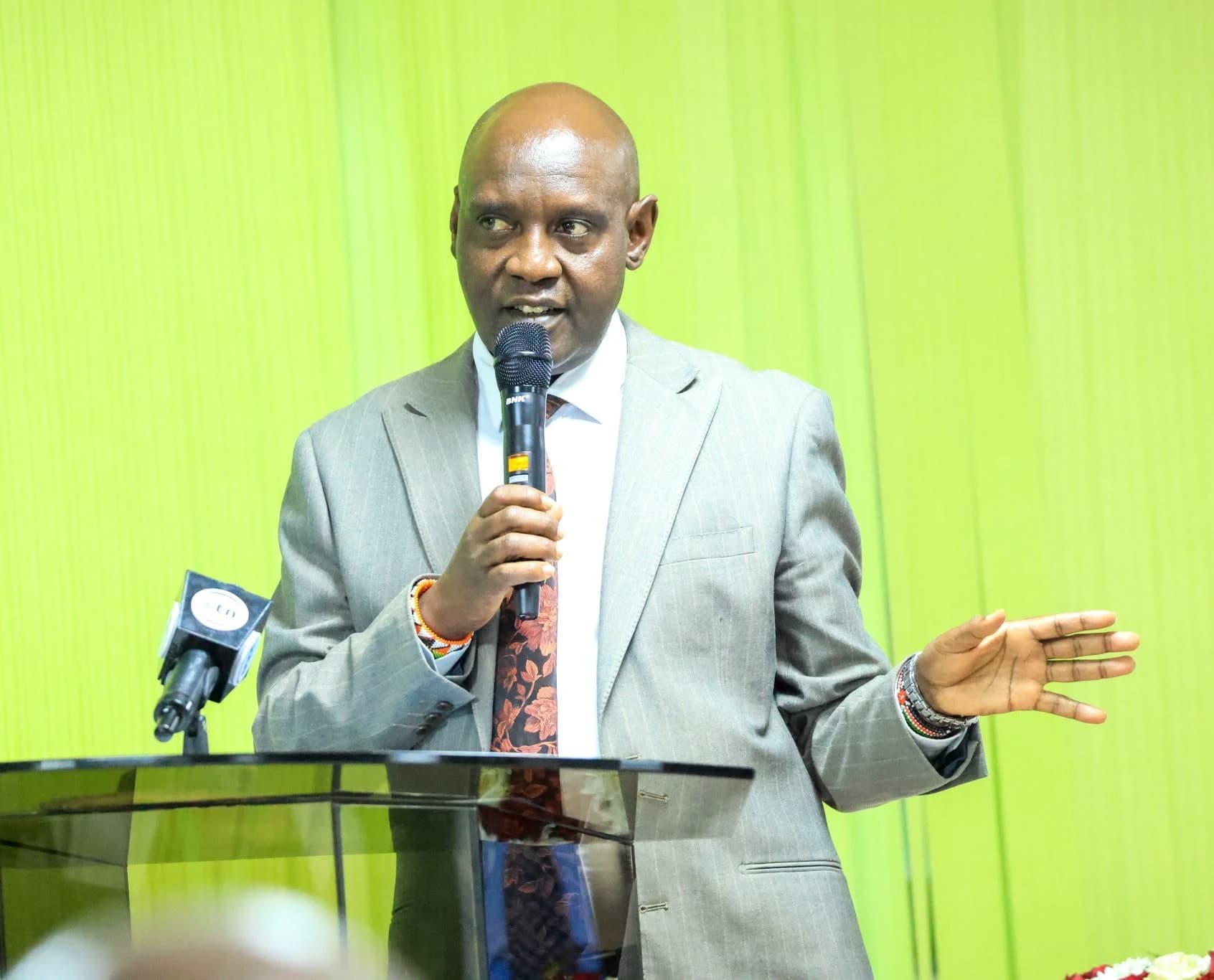
Machakos KUPPET Branch Governing Council member and Teachers’ President Mambo George said the rotation of supervisors to distant examination centres was placing an unnecessary burden on teachers, particularly amid concerns over the remuneration attached to examination duties.
“We strongly urge KNEC to stop the rotation of supervisors to centres far from their stations,” Mambo said.
He acknowledged the importance of rotating examination personnel in safeguarding the integrity and credibility of national examinations but said the system should also take into account the welfare and safety of teachers.
According to Mambo, assigning supervisors to centres far from their stations creates additional challenges, including transport and accommodation costs, while increasing the pressure on teachers undertaking examination duties.
He called for a more practical deployment system that would minimise unnecessary travel without compromising examination security.
Call for review of compensation
Mambo also appealed for a review of the compensation paid to teachers involved in national examinations, saying they take on additional responsibilities during the examination period.
The call comes as preparations for the 2026 KCSE examinations enter a critical stage, with thousands of teachers expected to participate in the administration and supervision of the national tests.
Mambo said KNEC should strike a balance between maintaining strict examination controls and protecting the welfare of the teachers entrusted with administering the examinations.
He urged the council to review the deployment arrangements before the examinations begin and ensure supervisors are assigned to centres in a fair and efficient manner.
He maintained that examination integrity and teachers’ welfare should go hand in hand, saying no system designed to protect national examinations should unnecessarily expose teachers to financial, logistical or safety challenges.



Reader Discussion (0)
Sign in to comment