







The Kenya Certificate of Basic Education (KCBE) is set to replace the Kenya Certificate of Secondary Education (KCSE) in 2028 as Kenya completes its transition to the Competency-Based Education (CBE) system, with the Kenya National Examinations Council (KNEC) expected to run a pilot assessment in June 2027.
The pilot will target selected Grade 11 learners and allow the council to test assessment procedures, tools and administrative arrangements before the first nationwide KCBE assessment is administered to learners completing Grade 12 in 2028.
A KNEC Competency-Based Assessment coordinator said participating schools will be selected from different regions and categories so that the exercise captures the diversity of the country's education system. The selection is expected to consider geographical location, school population, school categories and institutions catering for learners with special educational needs.
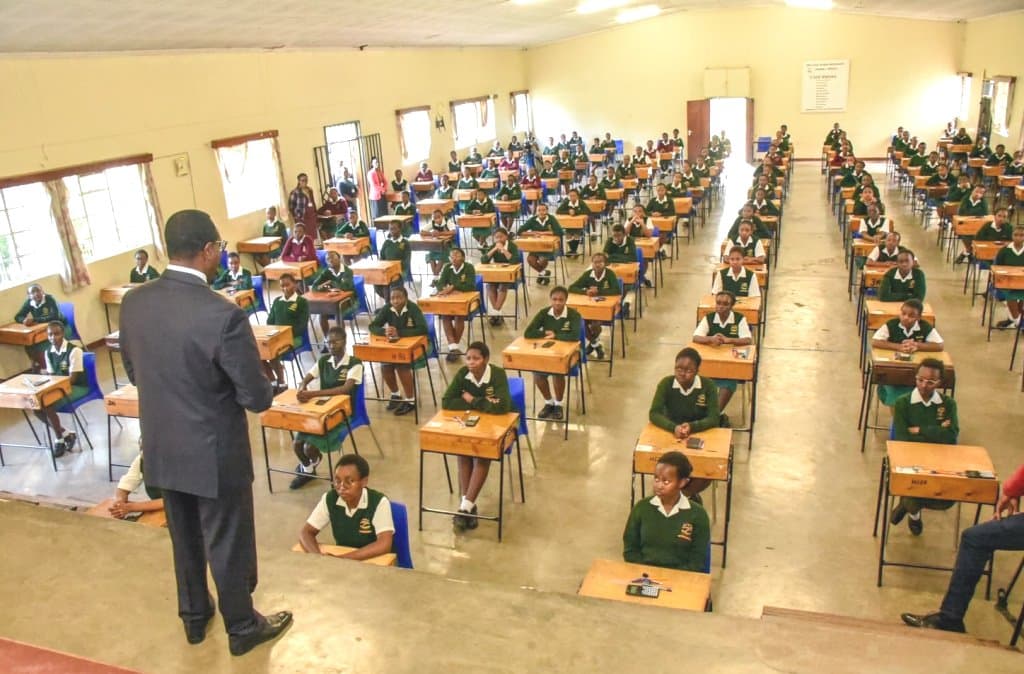
The pilot will also cover the three senior school pathways: Science, Technology, Engineering and Mathematics (STEM), Social Sciences, and Arts and Sports Science. Participating learners are expected to undergo a rehearsal ahead of the actual assessment to familiarise themselves with the procedures.
The introduction of KCBE will end the traditional examination arrangement under the 8-4-4 system, in which KCSE served as the principal national examination at the end of secondary education.
Under the new curriculum, learners will complete 12 years of basic education, progressing through pre-primary, primary, junior school and senior school before receiving their final KCBE certificate at the end of Grade 12. Education Cabinet Secretary Julius Ogamba has previously confirmed that the new certificate will mark the completion of basic education.
Unlike the previous system, in which learners received KCPE and KCSE certificates at different stages, learners under CBE will receive assessment reports at the end of primary and junior school, with the KCBE certificate awarded on completing Grade 12.
Another significant development is the introduction of dual certification, which will recognise both academic achievement and the practical skills learners acquire in senior school.
The additional certification is expected to recognise competencies aligned with occupational and industry standards, giving learners more options when pursuing further education, vocational training or employment.
The first KCBE assessment in 2028 will bring the KCSE era to a close after decades of determining learners' progression to higher education and other training opportunities.



Reader Discussion (0)
Sign in to comment