









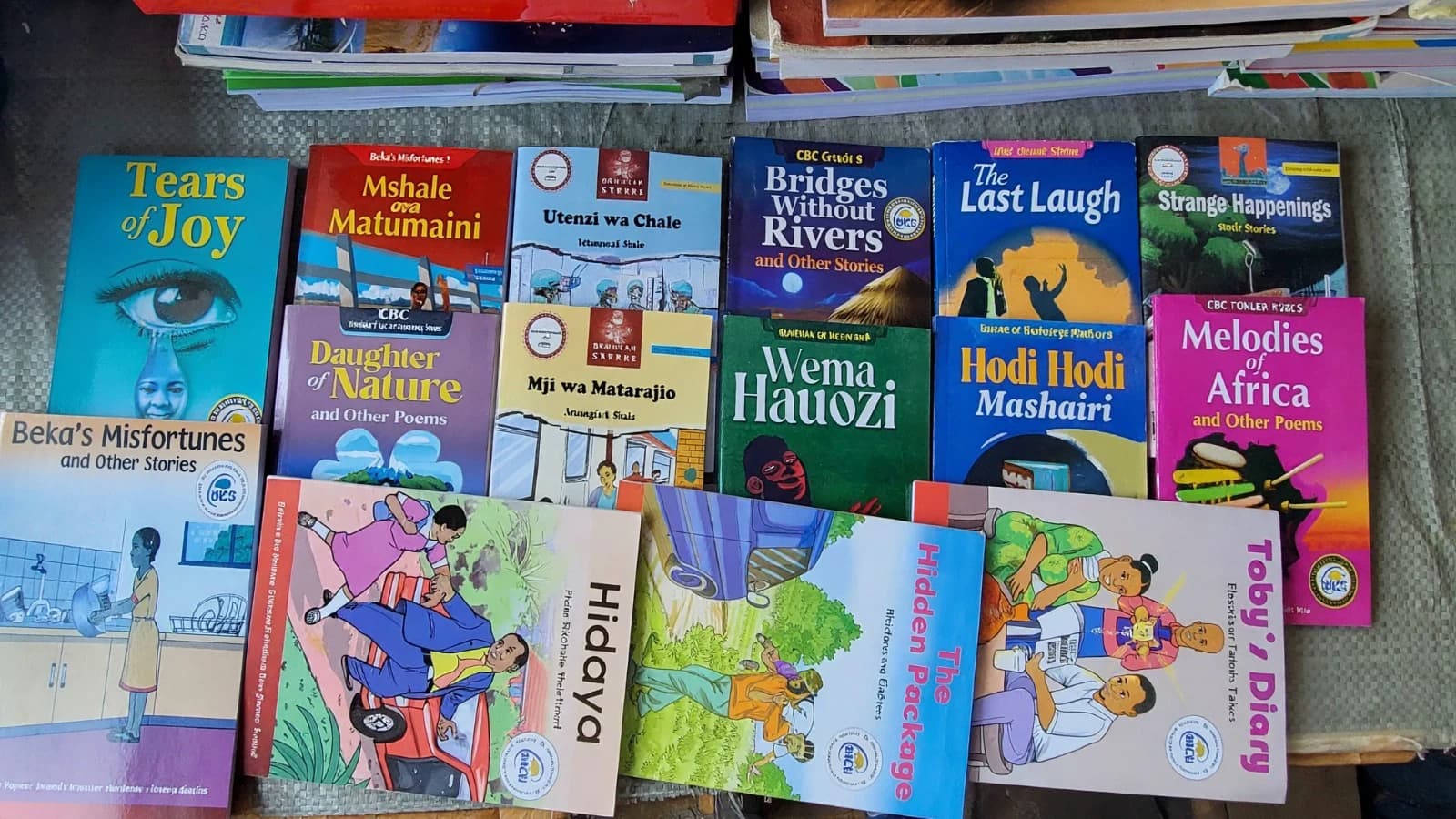
I have watched in utter dismay as publishers brag about KICD approving their books. They celebrate, share cover photos and post them on their WhatsApp statuses.
Only that the joy is short-lived. A year later, I meet the same distraught publishers complaining about poor sales.
Everybody knows how to submit books for KICD vetting and approval, but only a handful of publishers understand how serious marketing is done.
Serious marketing is not about catalogues. Neither is it about branded vehicles or printing teardrop banners. It is a tough job.
You may have over 45 approved Grade 11 course books, like KLB, and still fail to make as many sales as a publisher with just one approved title. Yes!
Allow me, at the risk of upsetting you, to prick your conscience.
KICD approval does not automatically translate into sales.
In fact, approval may be the easier part; marketing the book is the hardest. Only a handful of publishers seem to appreciate this reality.
There are many approved books that record dismal sales.
KICD approval opens the door, but marketing drives sales
The Kenya Institute of Curriculum Development (KICD) has the mandate to evaluate and approve curriculum support materials.
Once a book earns KICD approval, the responsibility shifts to the respective publisher to market the product effectively and persuade teachers to consider it for school booklists.
Approval is not a guarantee of marketability, nor does it automatically translate into sales.
Consider KFC. Despite enjoying a strong global brand and a well-established market for its products, the company continues to invest heavily in sophisticated, world-class marketing campaigns to attract and retain customers.
If a globally recognised brand must keep reminding customers why they should choose its products, what makes a publisher think that securing KICD approval is enough to guarantee a place on teachers' booklists?
It is naive for any publisher to sit pretty, expecting teachers to list its books simply because they have been approved.
KICD approval opens the door; effective marketing gets you into the classroom.
Publishers must invest in teacher engagement, product demonstrations, quality assurance, customer relations and innovative marketing strategies.
Expecting teachers to automatically select a book merely because it bears the KICD approval stamp is akin to smiling at a beautiful girl in a dark room.
You may be smiling all you want, but she cannot see you!
In the competitive publishing industry, approval establishes eligibility, but marketing drives visibility, preference and sales.
The debate surrounding the selection of curriculum support materials in Kenyan schools must begin with a clear distinction between regulatory approval and commercial success.
KICD exists to ensure that curriculum materials meet the required standards and support the national curriculum.
Its approval process is therefore a quality-control mechanism, not a sales promotion strategy for individual publishers.
The institute cannot reasonably be expected to guarantee that every approved textbook finds its way onto a school booklist.
Indeed, the existence of numerous approved titles creates competition, which is precisely what a healthy publishing industry should accommodate.
When several publishers produce materials for the same subject and grade, teachers must make choices based on their professional judgement, learners' needs, the quality of content and the practical value of each publication.
Approval places competing products within the eligible market, but it does not eliminate the need for publishers to distinguish themselves.
Publishers must understand teachers' needs
This is where some publishers may need to undertake serious soul-searching.
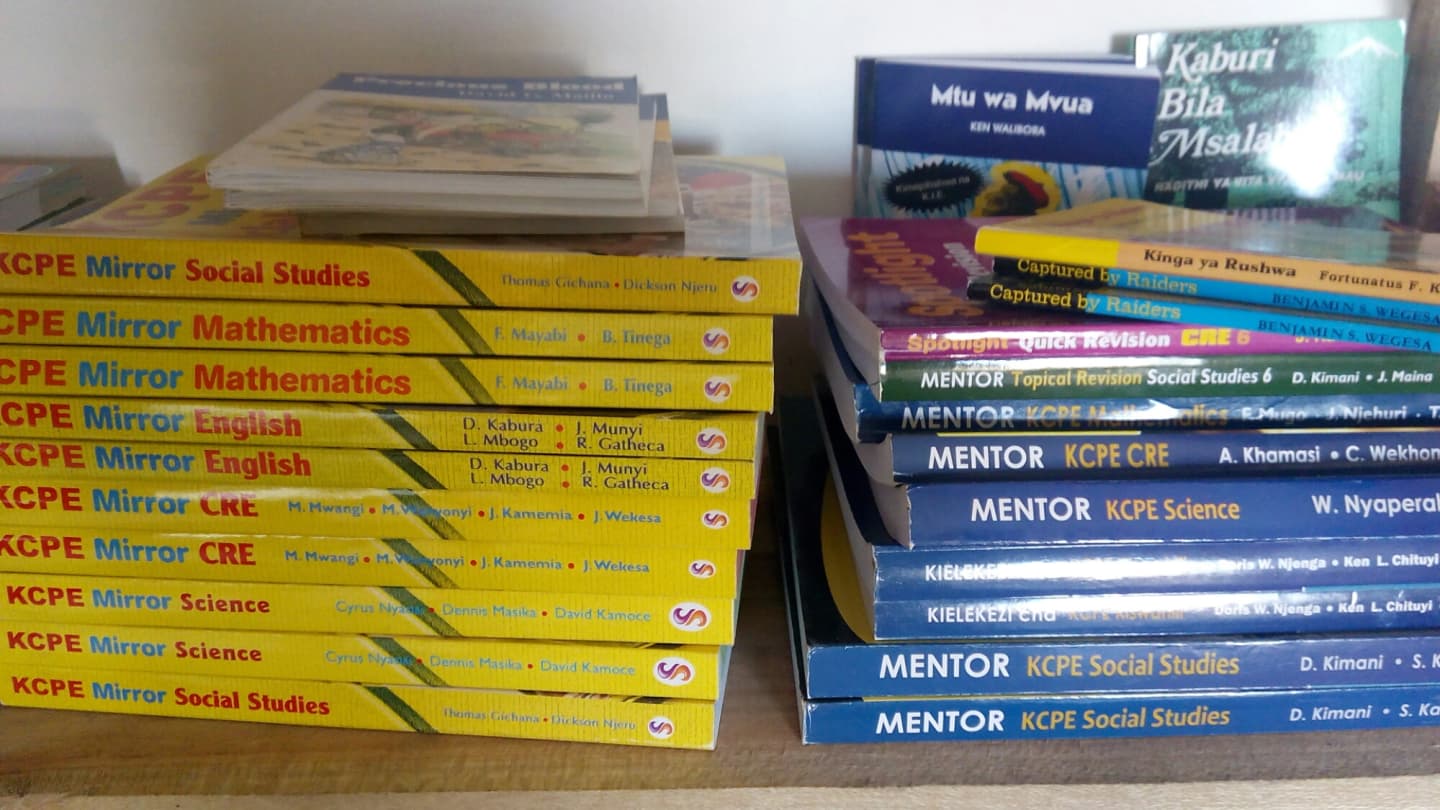
Are they investing enough in understanding what teachers need? Spotlight exceeds expectations in this category.
Do they regularly engage educators to explain the unique strengths of their publications? Oxford University Press and Moran Publishers do that.
Are their representatives adequately trained to demonstrate how their materials support curriculum implementation?
And do they collect feedback from teachers and use it to improve subsequent editions?
A publisher who cannot convincingly answer these questions should not be surprised when a competitor with a more deliberate marketing strategy secures a larger share of the market.
Marketing, however, should not be confused with coercion, inducement or the manipulation of teachers.
The objective should be to provide accurate information, demonstrate educational value and enable teachers to make informed choices.
Publishers should showcase the quality of their content, the relevance of their exercises, the clarity of their explanations and the suitability of their materials for different learners.
Teachers, for their part, must remain guided by professional judgement and the best interests of learners.
A book should not make it onto a school booklist simply because a publisher has established a close relationship with a teacher.
Equally, a superior publication should not be overlooked merely because its publisher has failed to communicate its strengths effectively.
The ultimate consideration must be educational value.
The transition to competency-based education has made this conversation even more important.
Teachers require materials that go beyond presenting information and memorisation exercises.
They need resources that support practical activities, critical thinking, creativity, collaboration and the development of competencies prescribed by the curriculum.
Publishers who understand these demands and demonstrate how their products address them have a stronger proposition to present to schools.
Quality, distribution and professional marketing matter
Furthermore, marketing should not end when a book is purchased.
Publishers need dependable distribution networks to ensure that schools receive their orders on time.
They must respond promptly to complaints, correct errors in subsequent editions and provide reliable information about availability and pricing.
Nothing damages a publisher's reputation faster than promising delivery and failing to meet deadlines when schools urgently need learning materials.
There is also a compelling argument for publishers to embrace digital communication.
Through professional websites, teacher forums, educational webinars and demonstrations, publishers can make their products accessible to educators across the country.
Such approaches can complement traditional field representatives, particularly in areas where physical access to schools is difficult or expensive.
At the same time, the industry must guard against marketing practices that undermine fairness.
Competition should be based on quality, innovation, affordability and service, not on inappropriate incentives or pressure.
Schools should establish transparent procedures for selecting materials, while teachers should be able to explain their choices using defensible educational criteria.
Ultimately, every publisher must recognise that approval is a starting point, not the finish line.
KICD can determine whether a publication meets the applicable approval requirements, but it cannot manufacture demand for it.
That responsibility belongs to the publisher, supported by the quality of the product and the effectiveness of its distribution and marketing strategies.
The message is straightforward: stop blaming the market for failing to embrace your books before examining what you are doing to make them attractive to teachers.
In a competitive environment, visibility matters, quality matters, relationships matter and service matters.
KICD approval gives a publisher permission to compete; it does not confer an entitlement to win.
Those who understand this distinction will invest in their products, listen to teachers, strengthen distribution and market their publications professionally.
Those who refuse to adapt may continue to watch competitors dominate the very market they believe their approval certificates should have secured for them.
Ashford is a teacher of English and Literature and writes on education and social affairs.


Reader Discussion (0)
Sign in to comment