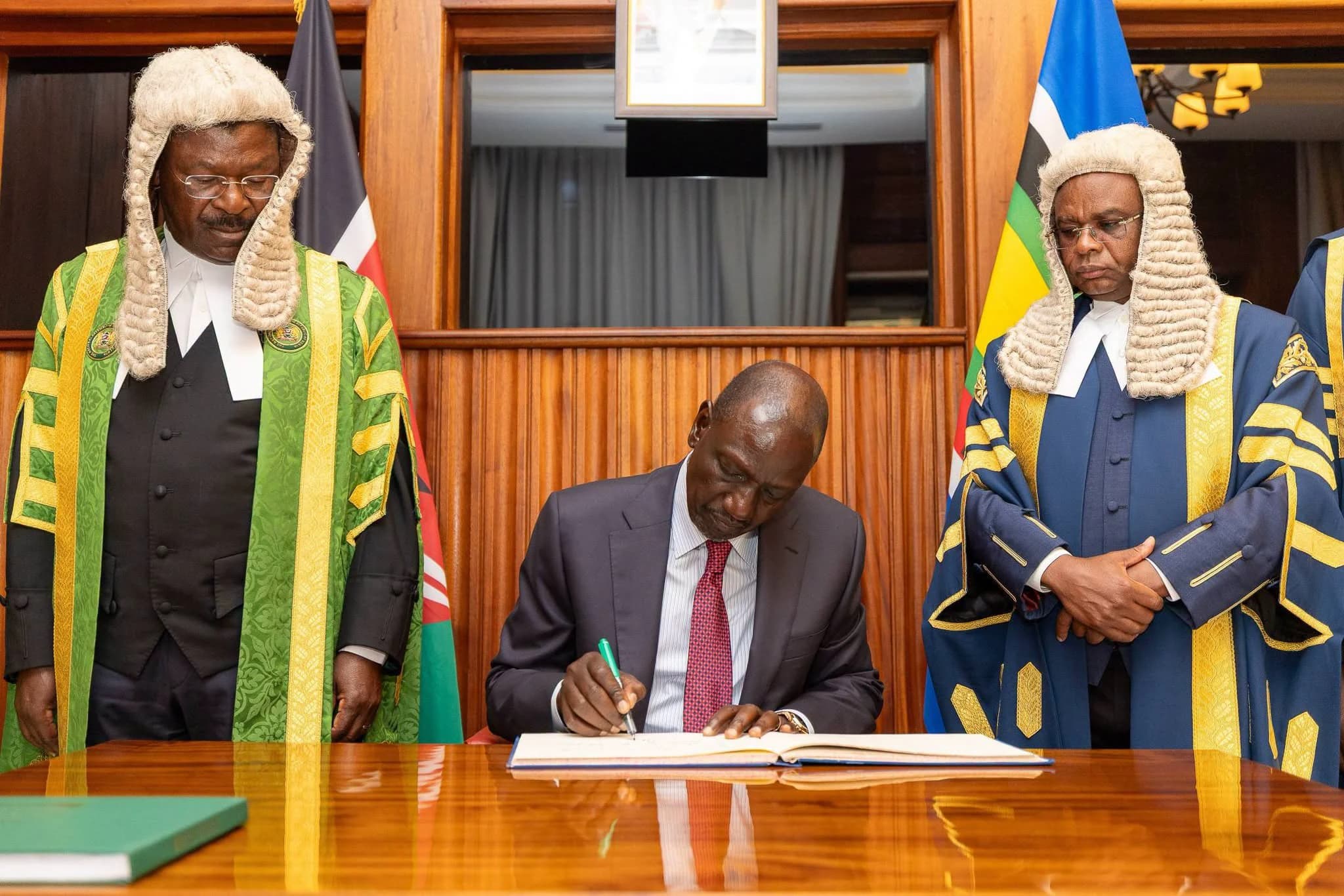



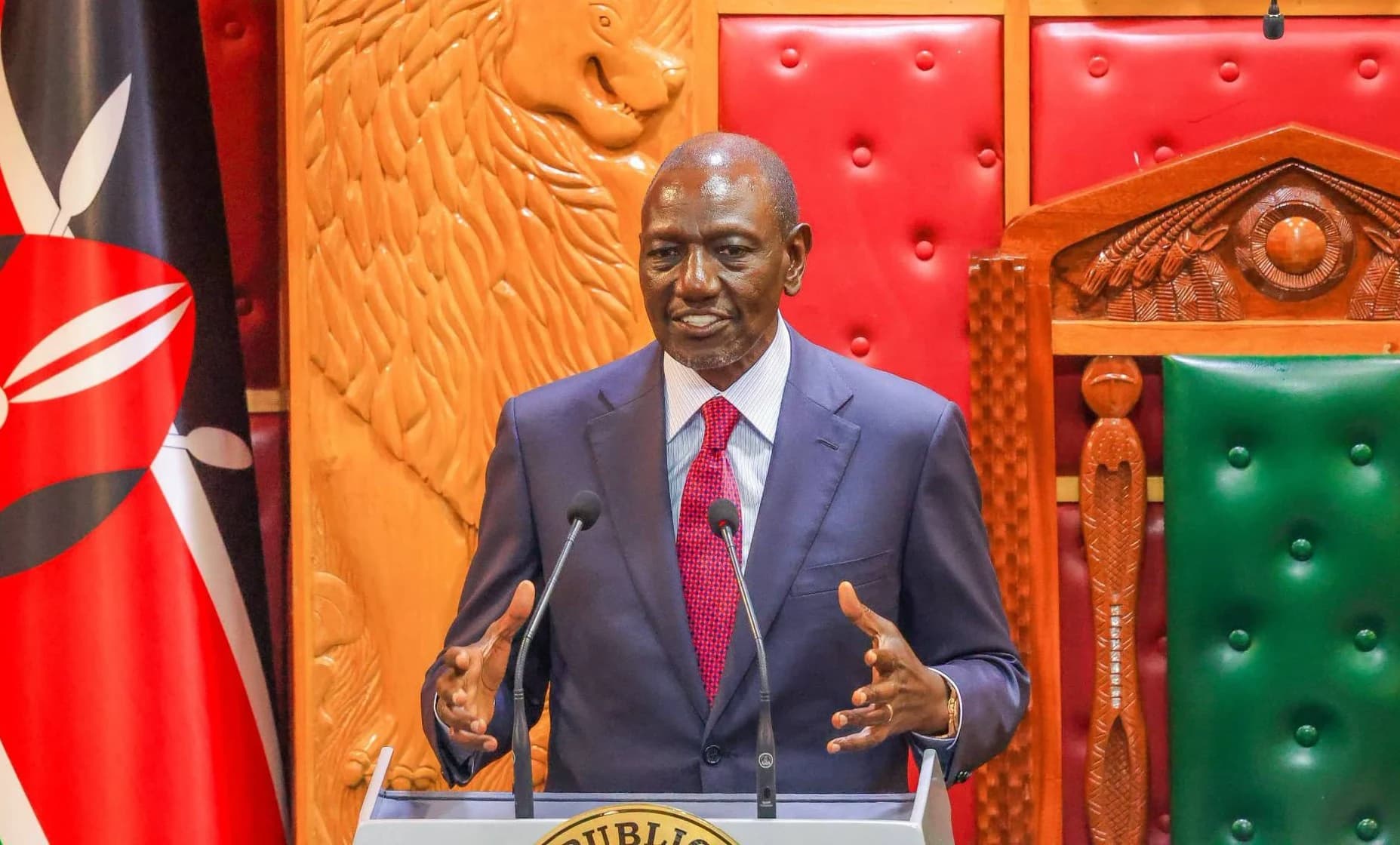
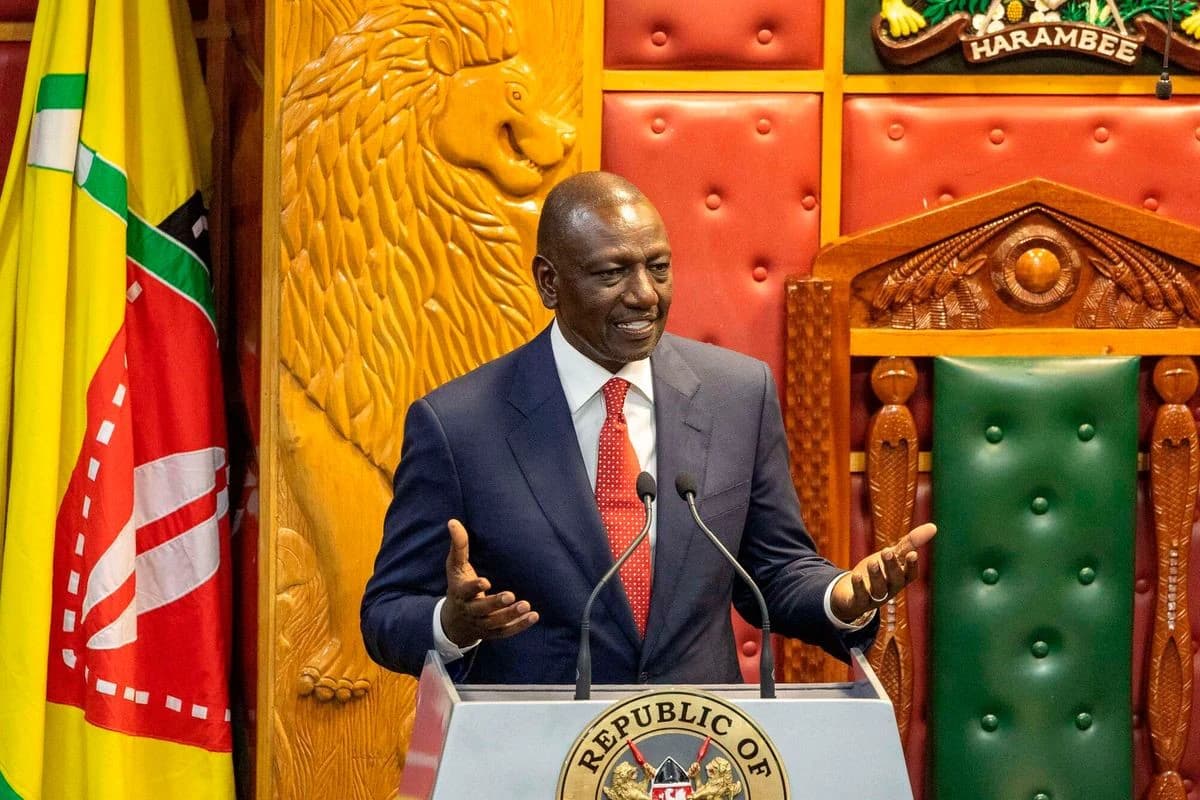
Kenya’s education sector featured prominently in President William Ruto’s fourth State of the Nation Address, delivered before a joint sitting of the National Assembly and the Senate on Wednesday, November 18, 2026.
Among the significant issues highlighted were teacher recruitment, the administration of national examinations and the strengthening of the country’s capacity to manage its own examination processes.
For a sector facing pressure from increased enrolment, curriculum transitions, staffing shortages and infrastructure demands, the developments outlined in the address deserve serious national attention.
The next step is to assess how these investments improve the experiences of learners, teachers and parents.
Teacher recruitment must reach the classroom
One of the most significant announcements was that the government had employed 100,000 teachers over four years and was preparing to recruit another 20,000.
Teacher shortages have been a longstanding challenge. In many public schools, staffing gaps increase workloads and limit the individual attention teachers can give learners.
Recruitment is therefore an important intervention in meeting the demands of Competency-Based Education.
Additional teachers could ease pressure on institutions that continue to experience shortages. However, employment figures must be accompanied by equitable deployment, professional development and support for teacher welfare.
Schools in remote and underserved areas should benefit from these investments. Recruitment will have limited impact if some institutions remain understaffed while others receive more personnel than their needs justify.
Timely promotions, clear career opportunities and adequate teaching resources also matter. A growing workforce needs an environment in which professionals can perform effectively.
Another highlight was the participation of approximately 3.6 million learners across the Kenya Primary School Education Assessment (KPSEA), Kenya Junior School Education Assessment (KJSEA) and Kenya Certificate of Secondary Education (KCSE).
The President described this as the largest examination cohort in the country’s history.
Coordinating assessments on that scale requires careful planning, reliable logistics, competent personnel and cooperation between institutions.
Behind the candidature figures are teachers, parents, administrators, examination officials and other stakeholders whose contributions deserve recognition.
Credible examinations in a calmer environment
The President also welcomed examination arrangements that reduced the intimidating security presence associated with previous assessment seasons.
His argument that examinations should be treated as normal components of learning deserves consideration.
For years, national examinations have carried considerable anxiety. Security concerns, intense competition and pressure to attain particular grades can make learners feel that their entire future depends on a single assessment.
We should examine how this culture affects children.
Assessments should establish what learners know, identify gaps and guide subsequent educational decisions. Their administration should protect candidates’ wellbeing alongside the credibility of results.
Examination integrity remains essential. Appropriate supervision, secure handling of materials and accountability are necessary to protect fairness.
A calmer environment must therefore be supported by strong professional responsibility among centre managers, supervisors, invigilators and examination officials.
Another significant announcement concerned the local printing of national examination papers.
According to the President, the decision saved the country close to Sh1.5 billion.
The reported savings warrant attention, as does the opportunity to strengthen domestic technical capacity.
A country that can undertake sensitive production processes locally should continually assess whether it can deliver comparable services efficiently and securely.
Local printing could retain more expenditure within Kenya and develop specialised expertise. These potential benefits must be accompanied by rigorous quality control, confidentiality and secure distribution.
The credibility of examinations depends on the integrity of the entire process, from preparation and printing to administration, marking and the release of results.
Investment must produce measurable outcomes
The President also reported the construction of 23,000 classrooms and ongoing work to build and equip 1,600 laboratories.
He said annual education funding had increased from Sh521 billion in the 2022/23 financial year to Sh784 billion in the current financial year.
These figures indicate the scale of the government’s stated investment. The practical test is whether schools receive resources promptly and use them effectively.
Classrooms should ease congestion. Laboratories should become functional spaces where learners conduct practical work. Teachers should have the materials needed to deliver quality instruction.
The emphasis on responsible management is therefore important.
Parents should receive clear information about school funding and any charges they are asked to meet. Public investment should progressively reduce financial barriers to learning.
The President’s address has brought important education commitments into the national conversation. Teacher recruitment, assessment administration, domestic printing capacity and infrastructure development all deserve sustained scrutiny.
Attention must now turn to implementation, sustainability and measurable outcomes.
Kenya needs sufficient teachers in every school, adequately funded institutions, motivated education professionals and credible assessments.
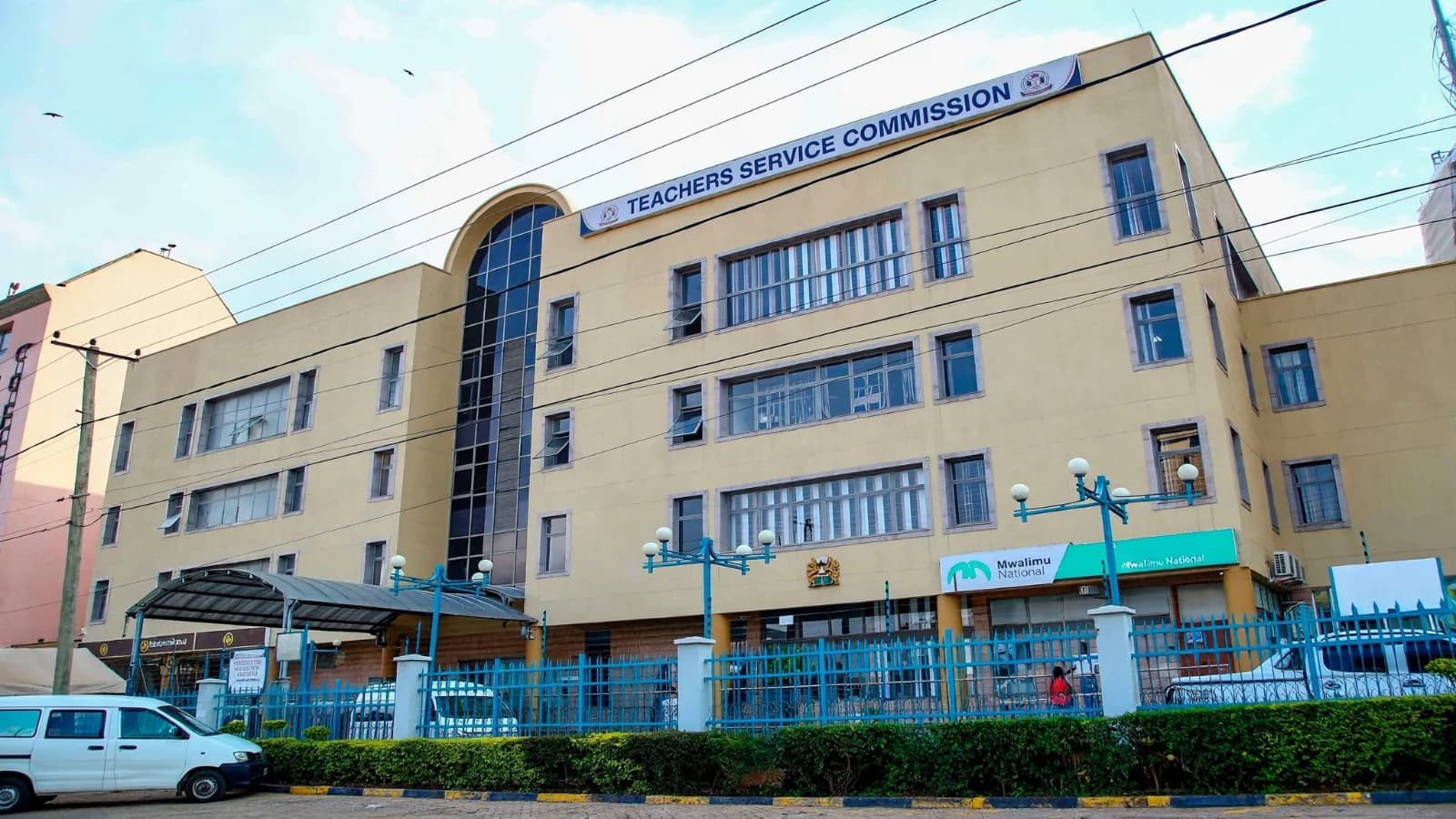
Government agencies, Parliament, TSC, the Ministry of Education, KNEC, teachers’ unions and parents each have responsibilities in achieving these objectives.
Education is a national investment whose returns include stronger institutions, greater opportunity and citizens equipped to contribute to society.
The significance of the milestones announced will ultimately depend on how consistently they translate into better educational experiences for Kenyan children.
Ashford is a teacher of English and Literature and comments on education and youth affairs.

Reader Discussion (0)
Sign in to comment