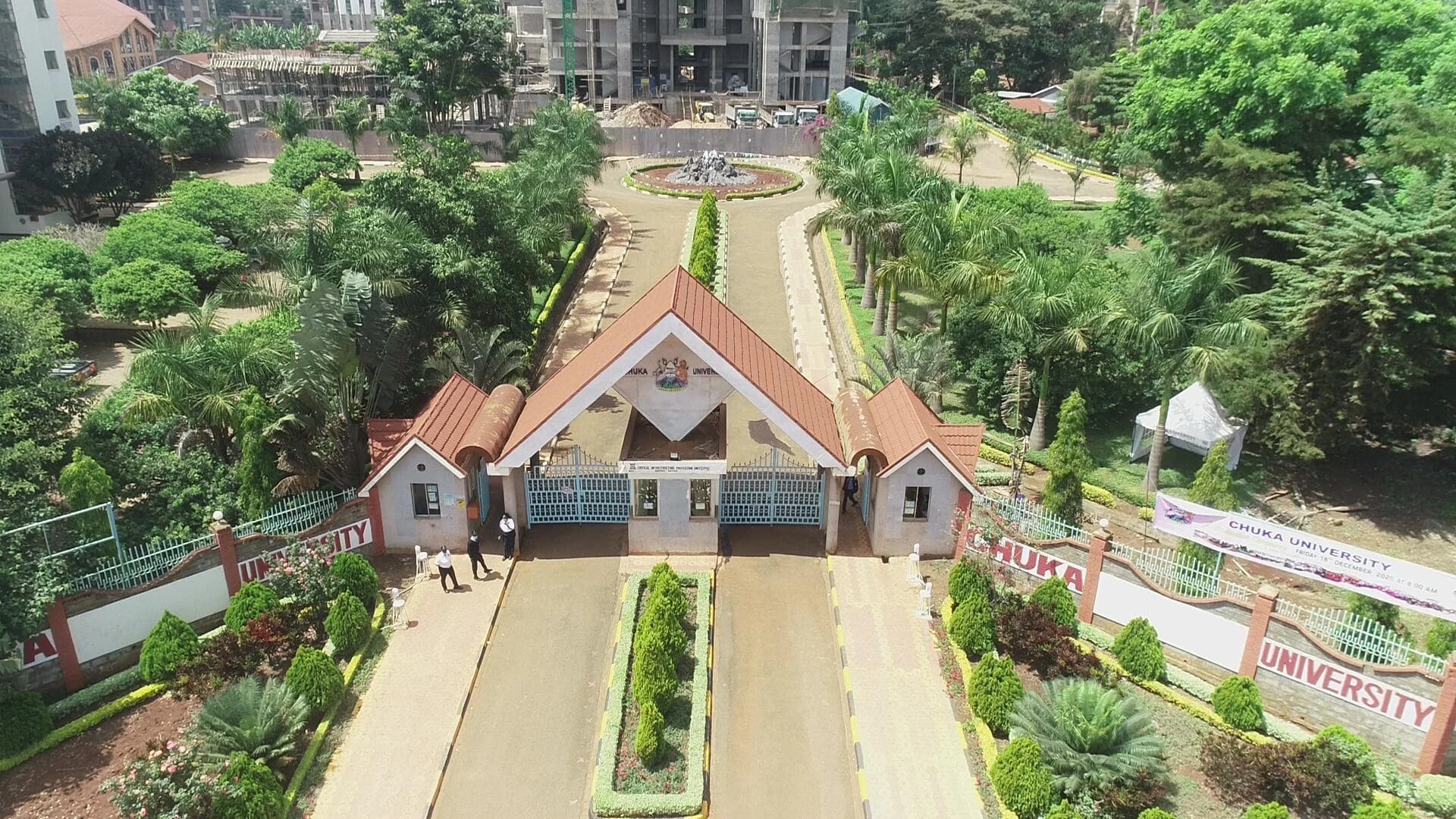
Students warn that prolonged university shutdowns are undermining academic progress, increasing living expenses and threatening the graduation of the Class of 2026 as the nationwide lecturers’ strike enters its second week.
Chuka University students have issued a seven-day ultimatum to lecturers to return to the classroom, warning that continued industrial action must not derail learning or interfere with the institution’s November 20, 2026, graduation ceremony.
The Chuka University Students Association (CUSA), through its Speaker, Odero David, said students had endured prolonged academic disruptions and were increasingly frustrated by being caught between university staff unions and the government over unresolved employment agreements.
The students want classes to resume on Monday, October 19, arguing that their academic progress, financial stability and graduation prospects should not be sacrificed in the ongoing industrial dispute.
Odero said more than 30,000 students at the institution had borne the consequences of recurring industrial disagreements, despite having little influence over the negotiations between lecturers and the government.
He warned that students were continuing to incur accommodation and other living expenses without receiving the full educational services for which they had enrolled.
The students’ demands highlight the growing pressure on university management, staff unions and the government to find a lasting solution to the nationwide strike that began on October 2.
Students draw the line over November graduation
CUSA has declared that the graduation ceremony scheduled for November 20 must proceed as planned, warning that any further disruption could jeopardise the academic calendar and delay students’ transition into the labour market or further studies.
For finalists, the uncertainty carries particular weight. Delayed examinations, incomplete coursework and interrupted academic programmes can affect graduation eligibility, employment opportunities and admission to postgraduate programmes.
The students have called for an immediate return-to-work arrangement and urged lecturers willing to teach to resume their duties without further delay.
They have also warned that they will pursue accountability against staff members who fail to fulfil their teaching responsibilities, although any disciplinary action would have to follow the applicable employment procedures and university regulations.
CUSA further insisted that lecturers participating in the strike should not prevent colleagues who wish to teach from conducting classes.
The position reflects growing frustration among learners who feel their academic interests have been overshadowed by disputes over remuneration, collective bargaining agreements and the implementation of negotiated commitments.
However, restoring classes at Chuka University alone may not resolve the wider crisis if the national dispute remains unsettled.
Sh12 billion offer fails to break the deadlock
The confrontation at Chuka University comes amid a nationwide industrial dispute involving the Universities Academic Staff Union (UASU), the Kenya Universities Staff Union (KUSU) and the government.
On October 12, the two unions rejected a reported Sh12 billion government offer, maintaining that it did not adequately address their demands concerning the 2025–2029 Collective Bargaining Agreement (CBA).
The strike, which started on October 2, has continued despite previous efforts to resolve disagreements over the implementation of negotiated commitments and a return-to-work formula signed in November 2025.
Education Cabinet Secretary Julius Migos Ogamba had earlier urged lecturers to resume teaching, maintaining that arrears relating to previous CBAs had been cleared.
The unions’ rejection of the latest offer, however, demonstrates that the dispute remains unresolved and that financial commitments alone may not be sufficient without agreement on the outstanding terms and implementation framework.
The government and university staff representatives now face mounting pressure to establish a credible path towards restoring normal academic operations.
Students become the biggest casualties
The Chuka University standoff illustrates how prolonged industrial action can transfer the cost of employment disputes to students and their families.
University learners continue to face rent, food, transport and other expenses even when lecture halls remain empty. Those who depend on academic calendars to complete their studies, graduate or secure employment face additional uncertainty.
The disruption also raises questions about the protection of academic time, the management of university resources and the reliability of graduation schedules.
At the same time, lecturers’ concerns over collective bargaining agreements and employment commitments require meaningful engagement. A sustainable resolution must address legitimate labour grievances without leaving students indefinitely exposed to interrupted learning.
University management, staff unions and the government therefore have a shared responsibility to protect both workers’ rights and students’ access to education.
A test of university governance and accountability
CUSA’s ultimatum presents Chuka University and the wider university sector with a difficult balancing act: ensuring that students resume learning while respecting lawful industrial action and established employment procedures.
The demand that willing lecturers be allowed to teach also raises practical questions about how universities can protect academic activities without escalating tensions between staff members.
A durable solution would require transparent negotiations, clear timelines for implementing agreed commitments and safeguards against further loss of academic time.
For the Class of 2026, the immediate concern is whether the remaining academic programme can be completed in time for graduation on November 20.
For the wider university system, the more significant question is whether the current dispute will prompt a more reliable framework for resolving future disagreements before they disrupt teaching.
As students demand an end to the impasse, the responsibility now rests with the government and university staff unions to pursue a negotiated settlement that restores learning while addressing the outstanding labour concerns.
The central issue is no longer only the money at the negotiating table. It is also the future of thousands of students whose education, finances and career plans depend on universities remaining functional.




Reader Discussion (0)
Sign in to comment