








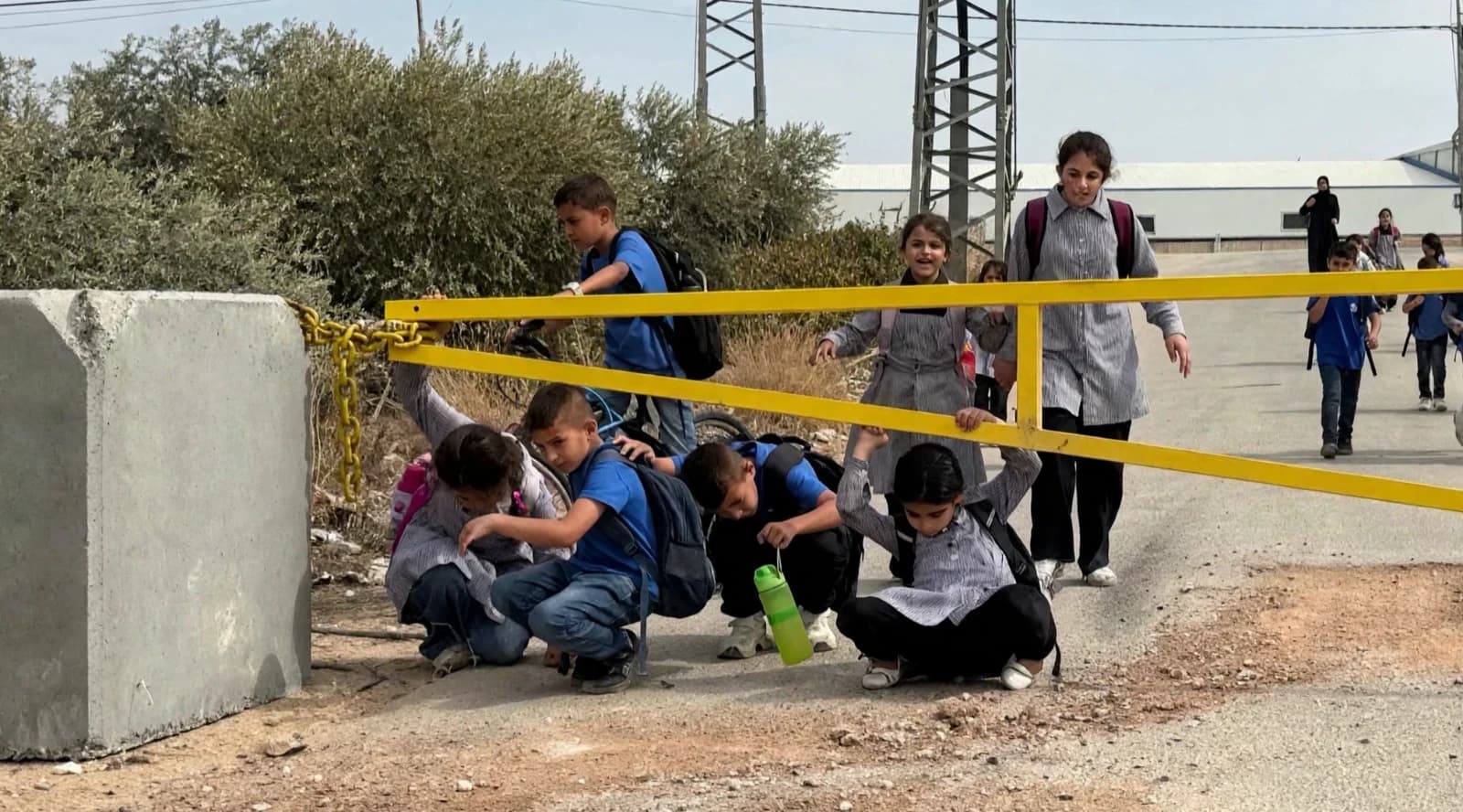
The residents say the shortage of nearby learning institutions is putting children's education at risk, contributing to absenteeism and school dropouts.
Communities in Tigombu, Tegat, Triangle, Mulot and Sagamian say the long distances have also raised concerns over teenage pregnancies and learners' safety.
Mary Langat, who led residents in raising the concerns, said the distance to schools had become a major obstacle to children's access to education.
“Education is a right for every child, but our children are being forced to cover long distances to get to school. Some are dropping out because they cannot cope with the journey,” said Langat.
She warned that the long journeys also exposed learners to wildlife attacks and encounters with people who could harm them.
According to Langat, the situation reflects years of inadequate investment in education infrastructure in the area, leaving children with fewer opportunities than those living closer to schools.
She called on the relevant authorities to intervene, saying children should not be disadvantaged because of where they live.
Long distances disrupt learning
Another resident, Florence Kirwa, said the long distances had contributed to absenteeism, making it difficult for learners to attend classes regularly.
Kirwa described the situation as a major challenge for families and learners, urging education authorities to find a lasting solution.
Residents expressed concern that the lack of nearby schools was exposing children to unnecessary hardship and undermining efforts to keep them in school.
They said learners who travel long distances face difficulties attending classes consistently, particularly when weather conditions are unfavourable.
Residents demand schools and teachers
The residents also raised concerns over teacher shortages, which they linked to the limited number of schools serving the area.
They called for the establishment of additional learning institutions and the deployment of adequate teaching staff to ensure children receive quality education.
According to the residents, improving access to schools would help reduce absenteeism and school dropouts while providing learners with a safer and more reliable route to education.
They urged the national and county governments, alongside relevant education authorities, to prioritise the needs of communities living along the border.
The residents maintained that children in Tigombu, Tegat, Triangle, Mulot and Sagamian deserve the same educational opportunities as learners elsewhere in the country.
They appealed for urgent intervention, saying the future of children in the affected villages should not be compromised by the lack of accessible schools.



Reader Discussion (0)
Sign in to comment