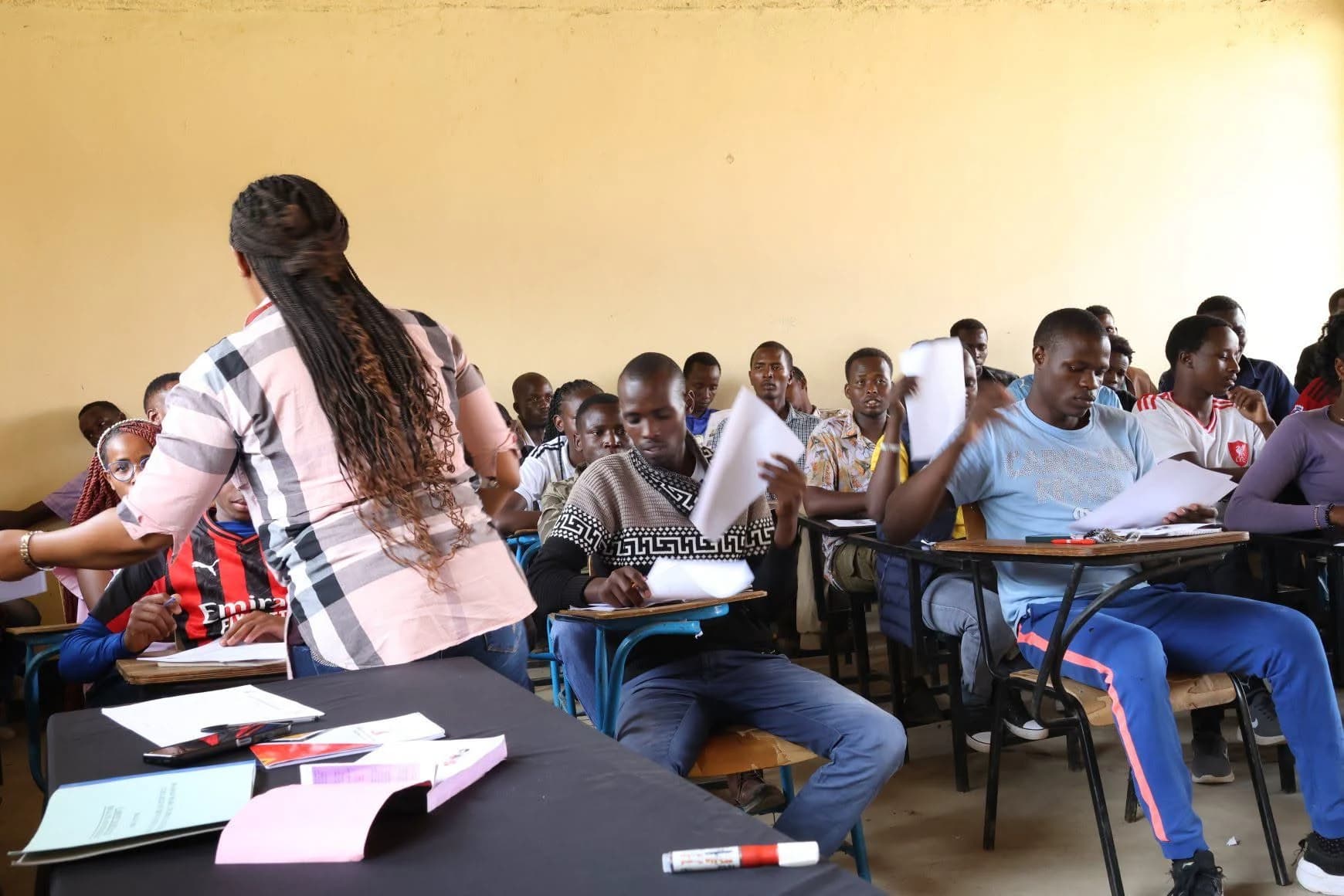








The African Talent University (TATU) has identified 130 presenters it will assess during the weeklong World Talent Conference in Kisumu County.
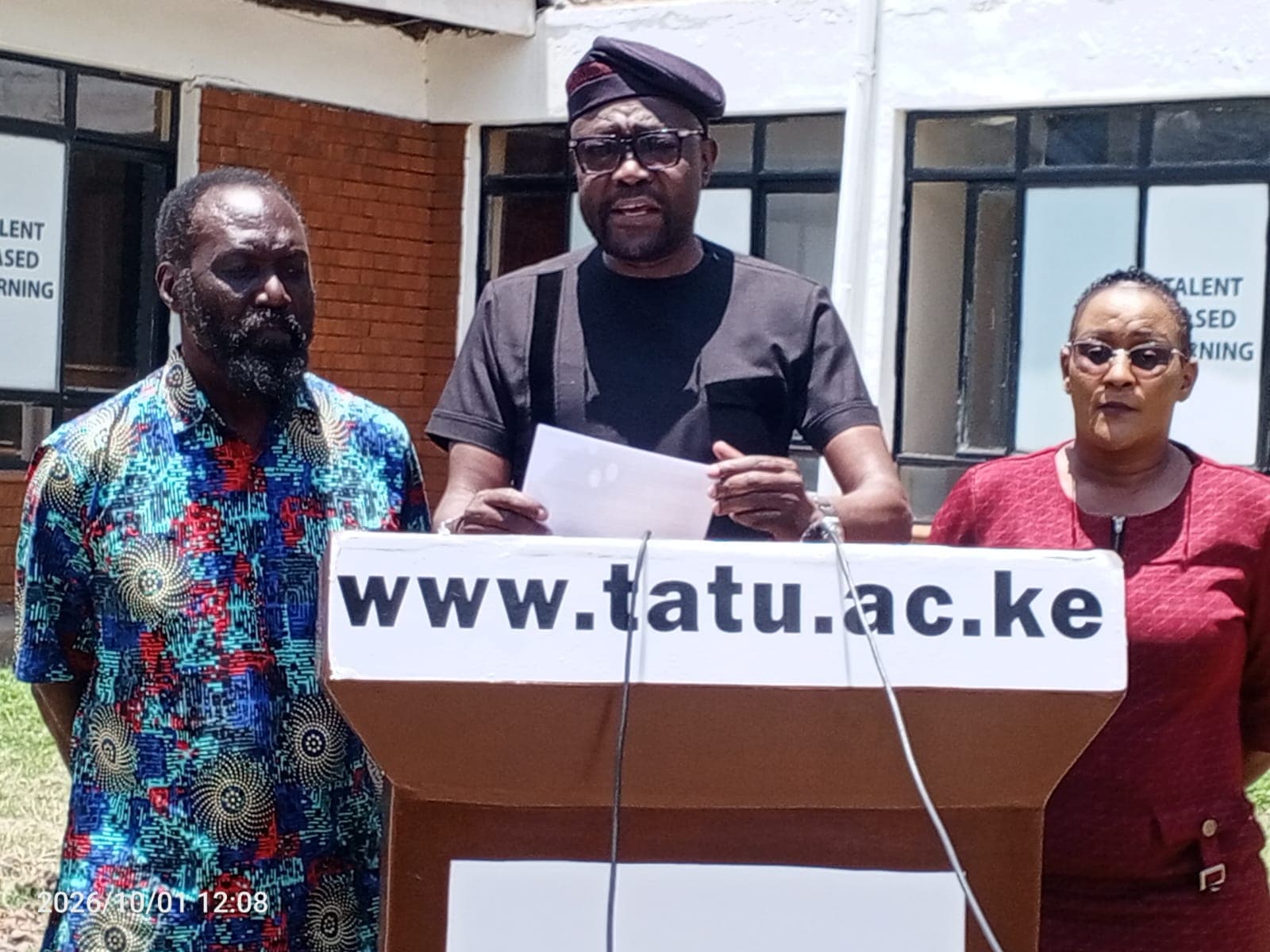
The institution's founding director and the conference host, Prof Humphrey Obora, said those singled out had come as exhibitors at the conference, which is under way at the university in Buoye, Kisumu.
Obora said the conference must deliver results and not just discuss ideas. He said organisers have structured a three-session journey that moves from ideas to enterprises and then to employment.
He said TATU has developed an approach called Anthropo-Biometrics to assess the presenters.
Obora described the conference as historic because it is being held in Africa for the first time. The World Talent Conference was last held in England in 1975.
He said it took prolonged negotiations, engagement and persuasion for the African Talent Federation to secure the hosting rights.
"We had to meet demanding conditions, including demonstrating that we could organise and finance the conference through our own efforts," he said.
Obora said organisers had resolved that no talent should be excluded merely because its owner cannot pay to enter a conference hall.
Obora said the next task is to connect African creativity with international investors, donors, research collaborators, development partners, industry leaders and institutions. He said there are people and organisations interested in what local innovators can create, improve and invent.
He advised participants not to come merely to display a project, but to open a door to their future.
Next year, he said, presenters will be required to show the partners they have found and the funding or technical commitments they have secured. They will also be asked what business model is emerging, what prototype has been tested and what enterprise is being formed.
Obora said this is the stage at which promising relationships begin to become operational partnerships and enterprise-development activity. Organisers will also review progress made and projects that have stalled, identify barriers and work towards practical solutions.
By 2028, he said, organisers want to see functioning enterprises, innovations entering markets, products in development or production, and investment and commercial contracts being signed. Above all, he said, they want to see employment being created, and not merely a handful of opportunities.
"Our ambition is for the enterprises emerging from this process to employ hundreds and, collectively, thousands of people. That is our goal, and we must measure our progress honestly," he said.
He said a successful conference must be measured not only by attendance or certificates, but by partnerships formed, resources mobilised, enterprises developed, contracts concluded and jobs actually created. Organisers will track the same projects across all three sessions.
"Africa does not merely need more conferences discussing unemployment. Africa needs conferences that help produce employers," he said.
Obora said the 2027 Check-Point Session and the 2028 Delivery Session have been ring-fenced to take place in Africa.
At the end of the 2026 Convention Session, he said African countries will be invited to bid to host the 2027 session, the 2028 session or both. Kenya, including Kisumu, will be eligible to bid alongside other interested African countries and cities.
The bids will allow prospective hosts to demonstrate their facilities, organisational capacity, financial commitments, partnerships and readiness to advance the conference's objectives. He said selection will be made through the applicable international hosting and approval arrangements, and that the outcome must not be prejudged.
Recognition of prior learning
Obora said natural talents, combined with verifiable work, business, professional and life experience, can provide a legitimate foundation for further learning and academic advancement.
"This is why we advocate Talent-Based Learning, Experience-Based Learning and Recognition of Prior Learning. Through appropriate assessment and quality assurance, individuals should be able to demonstrate what they already know and can do, receive recognition for verified competence and pursue suitable qualifications," he said.
He said he had faced resistance when challenging conventional educational thinking in Kenya and elsewhere in Africa.
"I advocated recognition of natural talent, demonstrated competence and experiential learning, sometimes in the face of hostility and dismissal. Later, elements resembling ideas I had long advanced appeared in reform discussions and initiatives such as the Competency-Based Curriculum and Recognition of Prior Learning," he said.
Obora said the success of the 2026 conference must continue long after the final ceremony. He said institutions must help their students and innovators establish partnerships, protect their ideas, commercialise their work and create employment.


Reader Discussion (0)
Sign in to comment