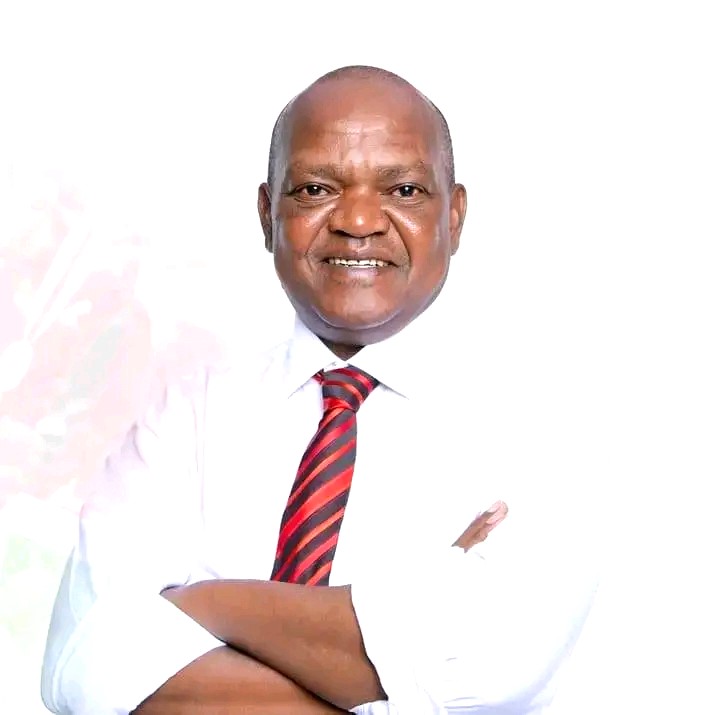
- Senior Counsel Bernard Mung’ata says criminal prosecutions alone will not end school fires.
- He is calling for stronger safety compliance, mental health support and fire-prevention systems in schools.
- The lawyer warns that school administrators may also face liability where negligence contributes to fire incidents.
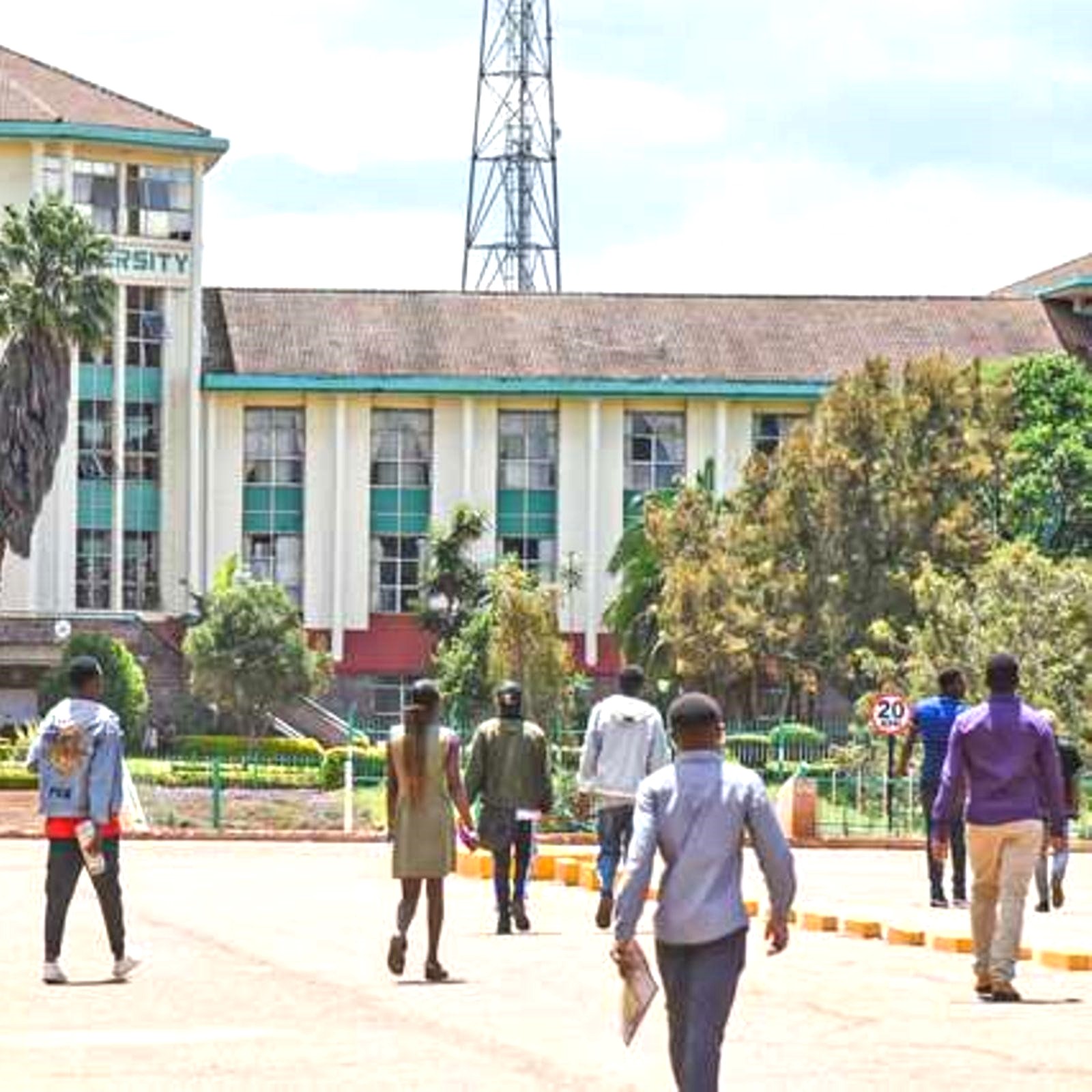
Machakos-based Senior Counsel Bernard Mung’ata says school arson remains a serious criminal offence under Kenyan law but warned that prosecution alone will not end the current upsurge in school fires.
The long-term solution, he said, lies in stronger safety compliance, mental health support and effective fire-prevention systems.
Responding to questions on the recent wave of school fires, Mung’ata noted that while investigations must establish the precise cause of each incident, historical triggers include student unrest over strict regulations, examination pressure, disciplinary measures and dissatisfaction with school administration.
“Mental health and psychosocial challenges among learners, including stress, anxiety and peer pressure, could also be contributing factors,” he said during an interview with Education News.
Legal consequences
Under the Penal Code, students, teachers, parents or any suspects linked to arson may face charges ranging from arson and malicious damage to property to destruction of public property, conspiracy, attempted murder, manslaughter or murder where deaths occur.
For minors under the age of 18, Article 53 of the Constitution places the best interests of the child at the centre of legal proceedings.
The Children Act further requires detention to be used only as a measure of last resort and provides safeguards including legal representation, parental or guardian involvement, privacy during proceedings and access to diversion and rehabilitation programmes.
ALSO READ:
Concerns mount over students’ participation in demos during mid-term break
“The overarching objective is rehabilitation rather than punishment,” Mung’ata said.
“Nevertheless, serious offences like arson may attract significant legal consequences.”
Mung’ata warned that Boards of Management and school principals may face liability where investigations reveal poor safety compliance.
Among the key areas of concern are:
- Failure to conduct fire drills.
- Lack of functioning fire extinguishers.
- Blocked emergency exits.
- Overcrowded dormitories.
- Inadequate night supervision.
- Ignoring prior warning signs of unrest.
- Failure to comply with safety regulations.
Consequences may include civil suits by parents for negligence, disciplinary action by the Ministry of Education and, in extreme cases, criminal charges.
“In instances where negligence is gross and contributes to deaths or serious injuries, criminal charges may also arise,” he noted.
The test, he said, is whether authorities took reasonable precautions expected of prudent administrators.
Funding reconstruction
The senior counsel, who contested the Machakos senatorial seat during the last General Election, said reconstruction of damaged public schools primarily falls under the National Government through the Ministry of Education.
Funding may come through government allocations, emergency interventions or the National Government Constituencies Development Fund (NG-CDF).
County governments may provide support, although they do not bear the primary responsibility.
Insurance companies may also compensate institutions where valid cover exists.
Mung’ata pointed out that parents are not automatically liable for acts of arson committed by learners.
However, where a specific learner is proven responsible and losses are quantified, schools or government agencies may seek compensation through legal processes.
“Collective punishment of parents without proof would likely face constitutional challenge,” he cautioned.
Proposed reforms
The lawyer identified gaps in the Basic Education Act and the Occupational Safety and Health Act, citing limited enforcement, infrequent inspections, lack of mandatory fire audits, weak sanctions and inadequate counselling services.
ALSO READ:
St. Monica Catholic Church launches 3rd Edition of Kitengela run to support education and unity
Among the reforms he proposed are:
- Mandatory annual fire safety certification for all schools.
- Regular Ministry of Education safety audits.
- Installation of modern fire detection systems.
- Statutory requirements for periodic fire drills.
- Enhanced student counselling and mental health programmes.
Rights of suspects
Mung’ata emphasized that learners suspected of involvement in school fires retain their constitutional rights.
These include the right to education under Article 53 and the right to a fair trial under Article 50.
“Schools and investigators must avoid treating suspects as guilty before trial,” he said.
He added that suspension or expulsion should only follow lawful procedures.
Mung’ata further explained that where fires are linked to land disputes, political interests or external influence, the law can also target sponsors and instigators.
Investigators may pursue charges of incitement, conspiracy and aiding and abetting against individuals who encourage arson or stand to benefit from it.
The Directorate of Criminal Investigations (DCI), the Office of the Director of Public Prosecutions (ODPP) and the Ethics and Anti-Corruption Commission (EACC) can conduct broader investigations beyond students found at the scene.
“Legal accountability extends beyond students to teachers, administrators, sponsors and any person whose negligence or criminal conduct contributes to the incident,” Mung’ata said.
“At the same time, the Constitution and the Children Act require that suspected minors be treated fairly, with rehabilitation and education remaining central.”
By Gastone Valusi
You can also follow our social media pages on Twitter: Education News KE and Facebook: Education News Newspaper for timely updates.
>>> Click here to stay up-to-date with trending regional stories
>>> Click here to read more informed opinions on the country’s education landscape