The recent report by the Kenya National Examinations Council offers a sobering but necessary reality check on the state of Competency-Based Education (CBE) in Kenya. At a time when the country is firmly committed to transforming its education system, the findings expose a widening gap between policy ambition and classroom reality. The promise of CBE remains compelling, but its implementation is encountering structural, pedagogical and systemic headwinds that cannot be ignored.
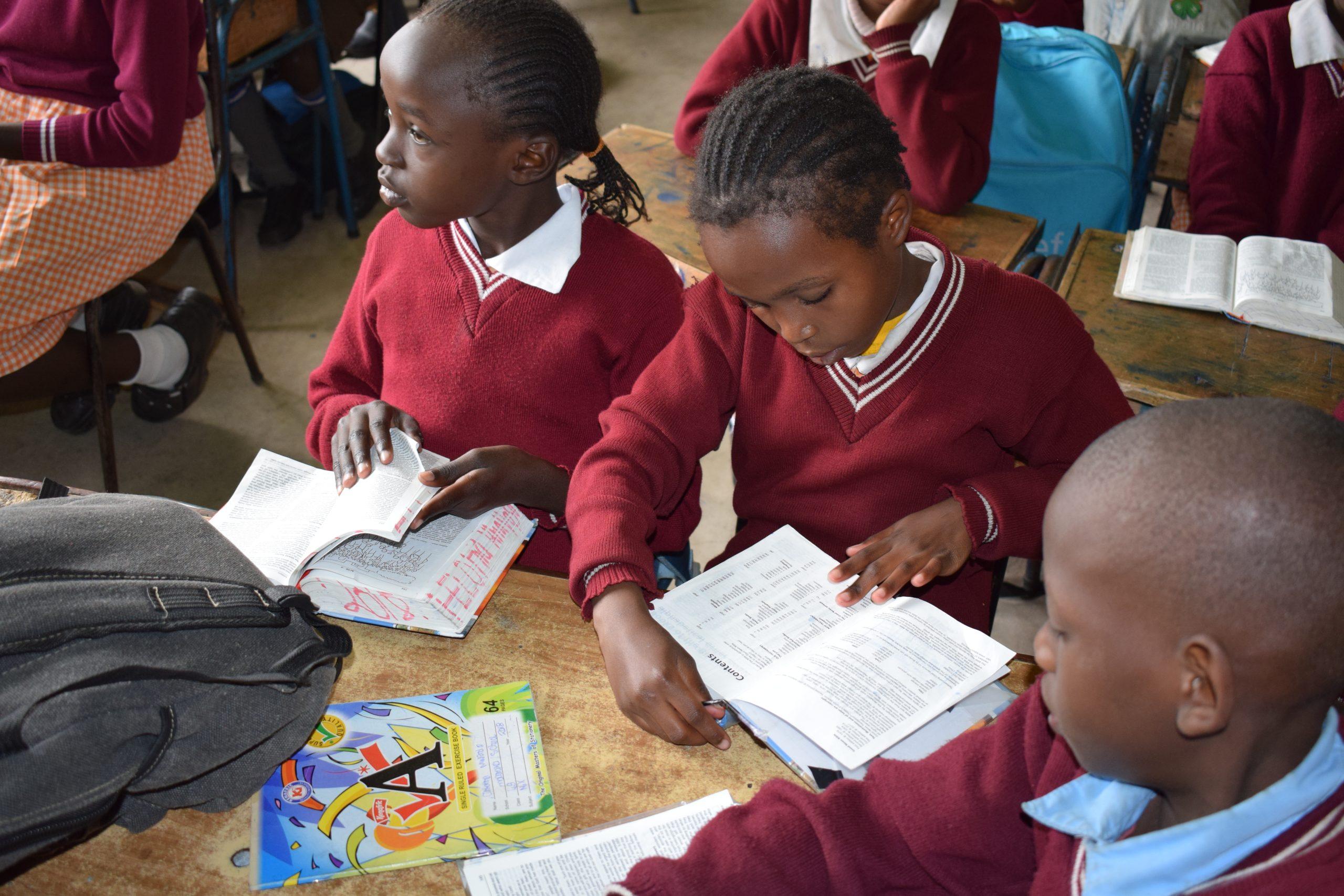
At the heart of the report lies a fundamental concern: a significant proportion of learners are progressing through the system without acquiring essential foundational skills, particularly in literacy and numeracy. This is not a marginal issue – it strikes at the very core of CBE. Unlike the previous content-based system, CBE is predicated on the mastery of competencies. Learners are expected to demonstrate understanding, apply knowledge, and solve problems in real-life contexts. However, when a learner cannot read fluently or comprehend basic texts, the entire framework begins to falter. Competencies cannot be built on fragile foundations.
The implications are profound. Foundational literacy is the gateway to all other learning. Without it, learners are effectively locked out of meaningful engagement in the curriculum. Tasks designed to promote critical thinking, creativity, and collaboration become inaccessible. In such a scenario, CBE risks becoming an aspirational model rather than a functional system. The report, therefore, calls for a recalibration of priorities – placing early grade literacy and numeracy at the centre of reform efforts.
Equally concerning is the stark inequality in learning outcomes across different types of schools. The report highlights disparities linked to socio-economic status, geographical location and institutional capacity. Learners in well-resourced private schools tend to perform significantly better than their counterparts in under-resourced public institutions, particularly in rural and marginalised areas. This raises a critical question: Is CBE inadvertently widening the very inequalities it was designed to address?
Equity is a foundational principle of any credible education reform. Yet, when access to quality learning is uneven, the system risks entrenching privilege rather than democratizing opportunity. CBE, with its emphasis on individualised learning and continuous assessment, requires substantial investment in teaching resources, infrastructure, and teacher support. Where these are lacking, implementation becomes uneven, and outcomes diverge sharply.
Infrastructure deficits further complicate the situation. Many schools continue to grapple with overcrowded classrooms, limited instructional materials and inadequate facilities. CBE’s design assumes environments where learners can engage in hands-on activities, collaborative projects and experiential learning. In reality, such conditions are far from universal. A teacher managing a class of over 60 learners, with minimal resources, is constrained in their ability to deliver the kind of learner-centred instruction that CBE demands.
Teacher preparedness emerges as another critical fault line. The shift from a content-driven curriculum to a competency-based approach requires a fundamental reorientation of pedagogy. Teachers are no longer mere transmitters of knowledge; they are facilitators of learning, designers of experiences and assessors of competencies. This transition demands deep professional development, sustained coaching and ongoing support. However, the report indicates that many teachers are still grappling with the practical demands of CBE, particularly in areas such as competency-based assessment and differentiated instruction.
This gap between expectation and capacity is not a reflection of teacher unwillingness, but rather a systemic shortfall in training and support structures. Effective implementation of CBE hinges on empowering teachers with the tools, knowledge and confidence to navigate the new paradigm. Without this, even the most well-designed curriculum will struggle to gain traction.
Assessment, a cornerstone of CBE, also presents significant challenges. The model relies heavily on continuous evaluation through School-Based Assessments (SBAs), which are intended to provide a holistic picture of learner progress. However, inconsistencies in assessment practices, data recording and reporting mechanisms undermine the reliability and credibility of the system. Standardisation remains elusive, and questions persist about the comparability of results across different schools and contexts.
Beyond the classroom, the report points to broader systemic issues, including policy misalignment and implementation inefficiencies. Educational reform at this scale requires meticulous planning, coordination and resource allocation. Any disconnect between policy design and execution can create friction that slows progress and dilutes impact. The transition to CBE, while visionary, appears to have outpaced the system’s readiness in certain critical areas.
Yet, it would be misguided to interpret the report as an indictment of CBE itself. Rather, it is a diagnostic tool – highlighting areas that require urgent attention. The philosophy underpinning CBE remains sound. It aligns with global shifts toward skills-based education, preparing learners not just for examinations, but for life and work in an increasingly complex world.
The way forward, therefore, is not retreat, but refinement. First, there must be a deliberate and sustained focus on strengthening foundational learning. Early grade interventions in literacy and numeracy should be prioritised, adequately funded and rigorously monitored. Second, investment in teacher capacity must move beyond one-off training sessions to continuous professional development models that are practical, context-specific, and responsive to classroom realities. Instructional leadership at the school level will be critical in driving this transformation.
Third, the integrity of assessment systems must be safeguarded. This calls for clearer guidelines, robust moderation mechanisms, and improved digital infrastructure for data management. Consistency and transparency in assessment will enhance trust in the system and ensure that learner achievements are accurately captured.

Finally, equity must remain at the forefront of reform efforts. Targeted support for under-resourced schools, including infrastructure development and resource provision, is essential to level the playing field. CBE can only succeed if it works for all learners, not just a privileged few.
READ ALSO: KNEC releases 2026 CBE assessment schedule for grades 3, 7, 8 and special needs learners
The KNEC report ultimately serves as a timely reminder that educational transformation is as much about implementation as it is about vision. Kenya has taken a bold step in reimagining its curriculum. The task now is to ensure that this vision is translated into meaningful learning experiences in every classroom. Only then will the promise of Competency-Based Education be fully realised.
By Ashford Kimani
Ashford teaches English and Literature in Gatundu North Sub-county and serves as Dean of Studies.
You can also follow our social media pages on Twitter: Education News KE and Facebook: Education News Newspaper for timely updates.
>>> Click here to stay up-to-date with trending regional stories
>>> Click here to read more informed opinions on the country’s education landscape