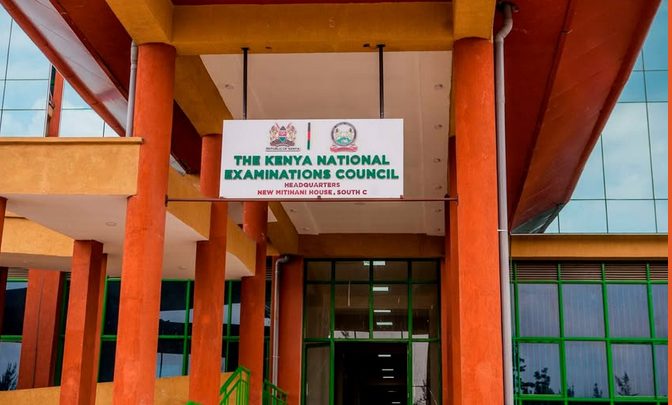
- The proposed KNEAC law could significantly change how learners are assessed across Kenya’s education system.
- Kithinji Njeru examines provisions covering formative, summative and digital assessments alongside registration of assessment centres.
- The Bill would replace KNEC with a new council if approved by Parliament and assented to.
The proposed Kenya National Educational Assessments Council (KNEAC) law could mark a major shift in how learners are assessed in Kenya, replacing the current Kenya National Examinations Council (KNEC) framework with a broader system centred on continuous learning, competencies and digital assessment.
The Kenya National Educational Assessments Council Bill, 2026, National Assembly Bill No. 51 of 2026, seeks to repeal the KNEC Act and establish KNEAC as the successor to the examinations body.
The Bill was published on July 24, 2026, and received its First Reading in the National Assembly on August 11. It is among six education reform Bills that Parliament has subjected to public participation as part of efforts to align the education system with Competency-Based Education.
If enacted, KNEAC would be responsible for conducting and administering assessments in basic and teacher education and training, setting assessment standards, issuing certificates and diplomas, authenticating qualifications and undertaking research and capacity building in educational assessment.
A significant feature of the proposed framework is its broader definition of assessment. The Bill recognises formative assessment, which measures learners’ acquisition of knowledge, skills and attitudes during the learning process, alongside summative assessment conducted at the end of a learning period. It also provides for e-assessment and computer-based assessment.
The proposed system is therefore intended to provide a legal framework that accommodates the assessment approaches associated with Competency-Based Education, where learning is not limited to performance in a single examination.
The Bill also provides for the registration and accreditation of assessment centres. Schools and other eligible learning institutions would have to meet prescribed requirements relating to infrastructure, facilities, equipment, security and other conditions before being approved to administer assessments.
Another area covered by the proposed law is the assessment of learners with special needs. The Bill specifically provides for registration of candidates with special needs, while allowing the Council to consider learners facing particular hardships when making arrangements for assessment centres.
Bill provides for digital assessments
Digital assessment is also given formal recognition under the proposed legislation. The Bill defines e-assessment as the use of digital, online or computer-based assessment and provides for an approved e-assessment platform.
The proposed law further seeks to strengthen the integrity of national assessments through provisions dealing with assessment irregularities and malpractice. The Council would have powers to regulate assessments, withhold or cancel results in cases involving irregularities and establish rules governing the administration, marking and release of results.
The transition from KNEC to KNEAC would also be structured under the Bill. Assets, liabilities, ongoing proceedings and administrative arrangements of the former Council would be transferred under transitional provisions, while staff serving under KNEC would have their status addressed within the new framework. Ongoing examinations would also continue under the new Council until completion.
The proposed changes come as Kenya continues to move away from an examination-centred education model towards competency-based learning and assessment.
However, KNEAC is not yet established in law. The Bill must go through the remaining stages of parliamentary consideration before it can become legislation.
READ ALSO: Kakamega School assistant football coach’s transfer to Kibabii School rejected
The proposed framework would therefore represent a significant change in Kenya’s assessment architecture if Parliament approves it and the President assents to it.
By Kithinji Njeru
Get more stories from our website: Education News
To write to us or offer feedback, you can reach us at: editor@educationnews.co.ke
You can also follow our social media pages on Twitter: Education News KE and Facebook: Education News Newspaper for timely updates.
>> Click here to stay up-to-date with trending regional stories