The reported plan for the United States to establish an Ebola quarantine centre in Kenya for Americans exposed to the deadly virus raises important questions about equity, public safety, and the value placed on Kenyan lives.
Assuming the objective is to protect American citizens from the virus, one may reasonably ask why such a facility should not be located within the United States itself.
The United States possesses some of the most advanced hospitals, laboratories, disease surveillance systems, and medical specialists in the world. It therefore has the capacity to equip and manage infectious disease facilities within its own borders.
Kenya, by contrast, continues to face shortages of health professionals, inadequate medical equipment, underfunded public hospitals, and limited access to quality healthcare for many citizens.
If the United States is unwilling to manage Ebola-related cases within its territory, many Kenyans will understandably question why Kenya should assume that responsibility.
Public health concerns
While proponents, including the Ministry of Health, may offer assurances regarding strict quarantine measures and security safeguards, it must be acknowledged that no system is entirely immune to error, accident, or unforeseen circumstances.
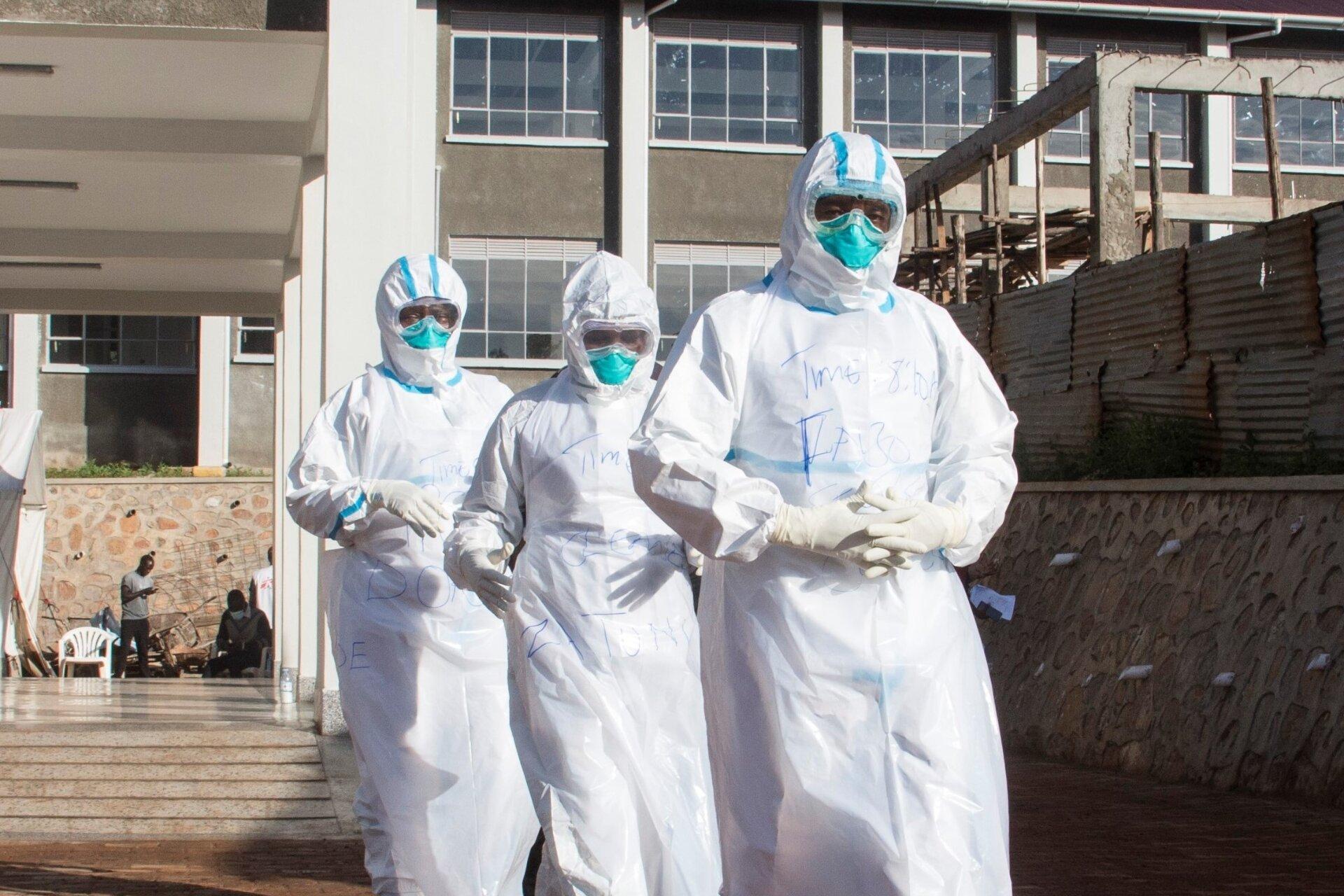
Ebola remains one of the deadliest viruses known to humanity.
Reports from the World Health Organization indicate that even a small exposure incident can trigger widespread fear and anxiety among the public.
The transfer of exposed individuals into Kenya could therefore be perceived by many citizens as introducing a potential public health risk into the country.
The burden on ordinary Kenyans
It is ordinary Kenyans who would bear the psychological burden associated with such an arrangement.
Men, women, and children who already contend with inadequately funded healthcare services may experience significant anxiety and uncertainty.
Such fears could also generate wider economic consequences.
The fact that any such arrangement may involve substantial financial support from the United States further fuels concerns among some Kenyans that the health and safety of citizens could be subordinated to diplomatic or financial considerations.
Need for transparency and accountability
Transparency and accountability must therefore remain central to any discussions on the matter.
Kenyans deserve clear information regarding the rationale for any proposal that requires the country to assume risks on behalf of foreign nationals when those countries possess the resources to address such situations themselves.
Any agreements, assessments, or reports relating to the matter should be made available to the public so that citizens can understand the implications and participate meaningfully in the discussion.
Public confidence can only be maintained through openness and informed engagement.
Citizens’ welfare must come first
Ultimately, every government has a responsibility to protect its people.
READ ALSO: Why Grade 10 learners are seeking to change CBE pathways
Before any arrangement is finalized or implemented, the safety and well-being of Kenyan men, women, and children must remain the foremost consideration.
No amount of financial support can substitute for the health and security of ordinary citizens.
By Evans Ranyondo
Evans is Educationist, Rongo University
You can also follow our social media pages on Twitter: Education News KE and Facebook: Education News Newspaper for timely updates.
>>> Click here to stay up-to-date with trending regional stories
>>> Click here to read more informed opinions on the country’s education landscape