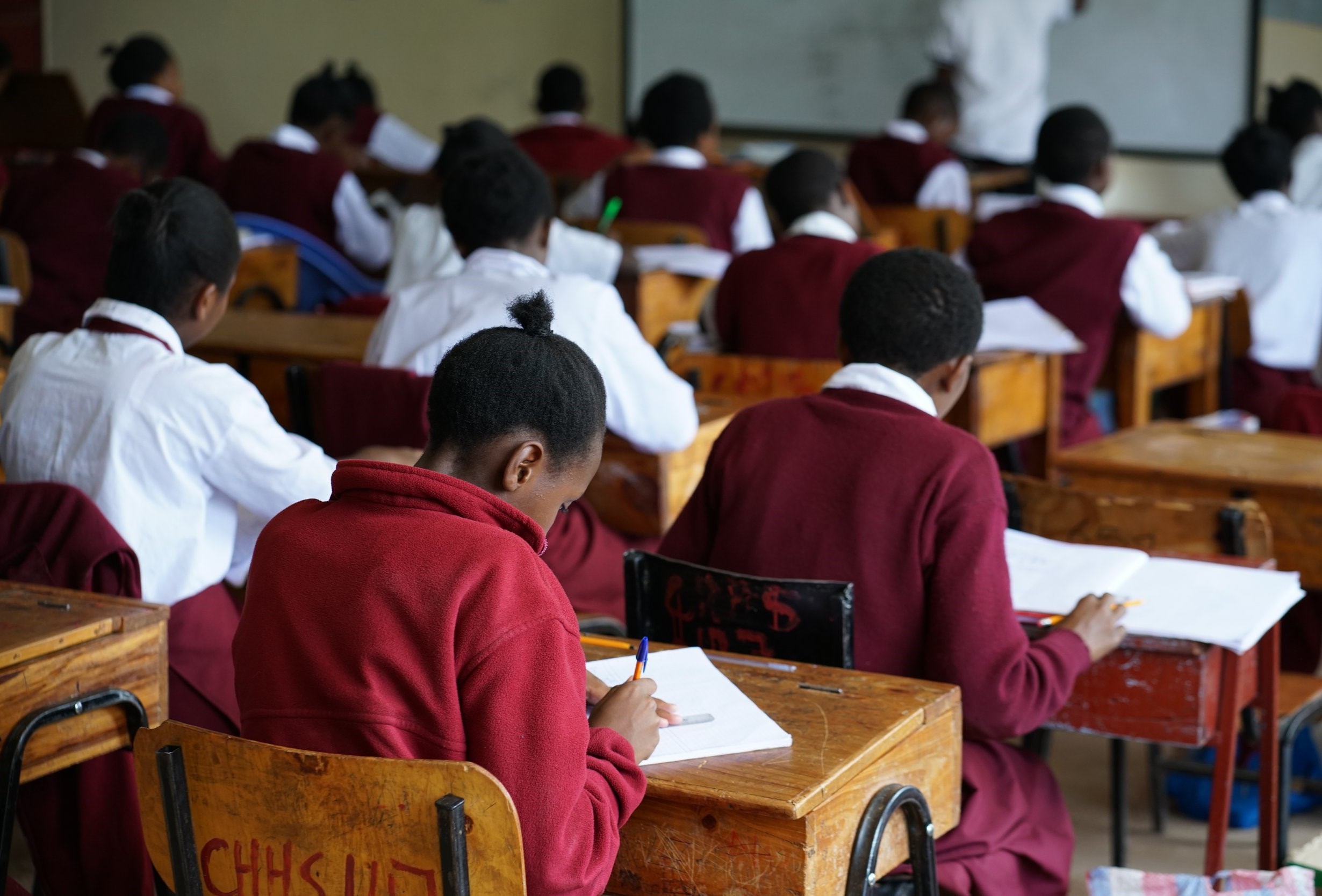
Human beings have always written. From ancient cave markings to handwritten letters, journals, books, essays, and digital messages, writing has long been part of human civilization.
Most people think of writing primarily as a communication tool — a way of expressing ideas, sharing information, recording history, or completing school and workplace tasks.
Yet writing does something deeper and far more powerful.
Beyond communication, writing shapes the brain, strengthens emotional health, and builds resilience that helps people navigate life’s everyday challenges.
Life constantly presents difficulties. Deadlines pile up. Relationships become strained. Work becomes overwhelming. Students struggle with expectations. Teachers battle fatigue and pressure. Parents carry responsibilities that seem endless.
Even small disappointments can accumulate into emotional exhaustion.
In such moments, many people search for solutions outside themselves, yet one of the most effective tools for coping often sits quietly within reach: writing.
Scientists and psychologists have increasingly discovered that writing changes how the brain processes experiences.
When people write down their thoughts, feelings, fears, frustrations, or hopes, they are doing more than transferring words onto paper.
They are organizing experiences in ways that help the brain make sense of emotions.
Writing creates structure where confusion exists. It introduces clarity where uncertainty dominates.
Human emotions can sometimes feel overwhelming because they exist as tangled experiences inside the mind.
Anxiety, disappointment, anger, fear, and stress often collide without order. Thoughts race faster than understanding.
Writing interrupts this chaos.
The simple act of translating feelings into words forces the brain to slow down, reflect, and organize information.
Psychological research on expressive writing has repeatedly demonstrated that people who write about stressful experiences often experience improved emotional wellbeing.
Writing creates emotional distance from painful situations.
Instead of carrying worries entirely in the mind, individuals place them onto paper where they become easier to examine objectively.
A student struggling with examination pressure may discover relief by writing down fears about failure.
A teacher overwhelmed by professional responsibilities may gain perspective by documenting frustrations in a journal.
A parent facing difficult family situations may find clarity by recording thoughts privately.
Writing transforms internal struggles into visible experiences that can be understood rather than merely endured.
This process changes brain function itself.
Neuroscientists suggest that writing engages multiple regions of the brain associated with language, emotional regulation, decision-making, and memory processing.
When people name emotions through writing, they reduce the intensity of emotional reactions.
Instead of operating entirely from fear or frustration, individuals activate thinking processes that promote problem-solving and reflection.
Imagine someone experiencing anger after receiving criticism at work.
Without reflection, emotional reactions may lead to impulsive decisions or conflict.
Writing creates a pause between feeling and action.
By describing the experience in words, the individual moves from emotional reactivity toward thoughtful response.
The brain begins processing circumstances more logically.
Resilience grows through these repeated moments of thoughtful adaptation.
Many people misunderstand resilience.
They assume resilient individuals possess extraordinary toughness unavailable to ordinary people.
They imagine resilience belongs only to individuals who overcome massive adversity or survive dramatic hardship.
Yet resilience often develops quietly through everyday habits.
Resilience is not the absence of struggle. It is the ability to recover, adapt, and continue moving forward despite difficulty.
Writing strengthens precisely those abilities.
Consider journaling.
A journal becomes more than a collection of thoughts. It becomes evidence of personal growth.
When people revisit earlier entries, they often discover something remarkable: problems that once felt overwhelming eventually passed. Challenges that seemed impossible became manageable. Growth occurred gradually.
This recognition strengthens confidence.
Writing reminds people that difficult seasons do not last forever.
Teachers understand this reality particularly well.
Education professionals face immense emotional and professional demands.
Lesson planning, learner needs, assessment responsibilities, curriculum implementation, administrative expectations, and classroom management can create significant pressure.
Many educators carry emotional burdens quietly.
Writing offers teachers an important tool for resilience.
Reflective writing helps educators process classroom experiences constructively.
Recording successful lessons builds confidence. Documenting difficult moments encourages problem-solving.
Reflecting on learner progress reinforces purpose and meaning.
Teachers who write consistently often discover patterns, insights, and solutions that remain hidden during busy daily routines.
Students also benefit profoundly.
Young learners increasingly face academic stress, social pressure, uncertainty about the future, and emotional challenges.
Encouraging writing habits develops more than literacy skills. It develops emotional intelligence.
When learners journal about experiences, reflect on goals, or write creatively, they strengthen self-awareness.
Writing teaches them that emotions deserve examination rather than suppression.
It creates safe spaces for reflection.
Creative writing, in particular, builds resilience by encouraging imagination and perspective-taking.
Stories allow individuals to explore fears, possibilities, challenges, and solutions indirectly.
Poetry offers emotional expression when direct communication feels difficult.
Personal narratives help people understand their own experiences more deeply.
Importantly, writing does not require perfection.
Many people avoid writing because they fear grammar mistakes, poor vocabulary, or imperfect expression.
Yet resilience-building writing is not about producing polished work. It is about honesty.
A few handwritten sentences matter. A simple reflection matters. A personal note matters. An unfinished journal entry matters.
Even writing a list of worries before bed can reduce mental burden.
Handwriting may offer additional benefits.
Some studies suggest writing by hand strengthens memory formation and deeper cognitive processing more effectively than typing.
The slower pace encourages reflection.
Pen touching paper creates intentionality that supports emotional processing.
Technology, however, still provides opportunities.
Digital journals, private documents, notes applications, and reflective writing platforms can serve similar purposes.
The method matters less than consistency.
Writing also teaches an essential truth about life itself: growth often occurs through revision.
Writers revise drafts repeatedly. They reorganize ideas, strengthen weak sections, and improve clarity.
Human growth follows a similar process.
Mistakes become lessons. Failures become adjustments. Challenges become opportunities for learning.
Writing mirrors resilience because both involve persistence.
Both require returning to unfinished work. Both demand patience.
Both recognize that progress matters more than perfection.
In a world increasingly defined by speed, distraction, and constant noise, writing offers something rare: space to think.
Space to process. Space to heal. Space to grow.
Resilience does not emerge only during life’s biggest crises.
Sometimes it develops quietly — in notebooks, journals, classroom reflections, unfinished paragraphs, and private moments of honesty.
Every sentence written during difficult seasons becomes evidence of courage.
Words do more than communicate thoughts.
READ ALSO: Why teach writing in schools?
They strengthen minds. They build resilience.
And sometimes, they help people discover that they are stronger than they ever imagined.
By Ashford Kimani
Ashford teaches English and Literature in Gatundu North Sub-county and serves as Dean of Studies.
You can also follow our social media pages on Twitter: Education News KE and Facebook: Education News Newspaper for timely updates.
>>> Click here to stay up-to-date with trending regional stories
>>> Click here to read more informed opinions on the country’s education landscape
>>> Click here to stay ahead with the latest national news.