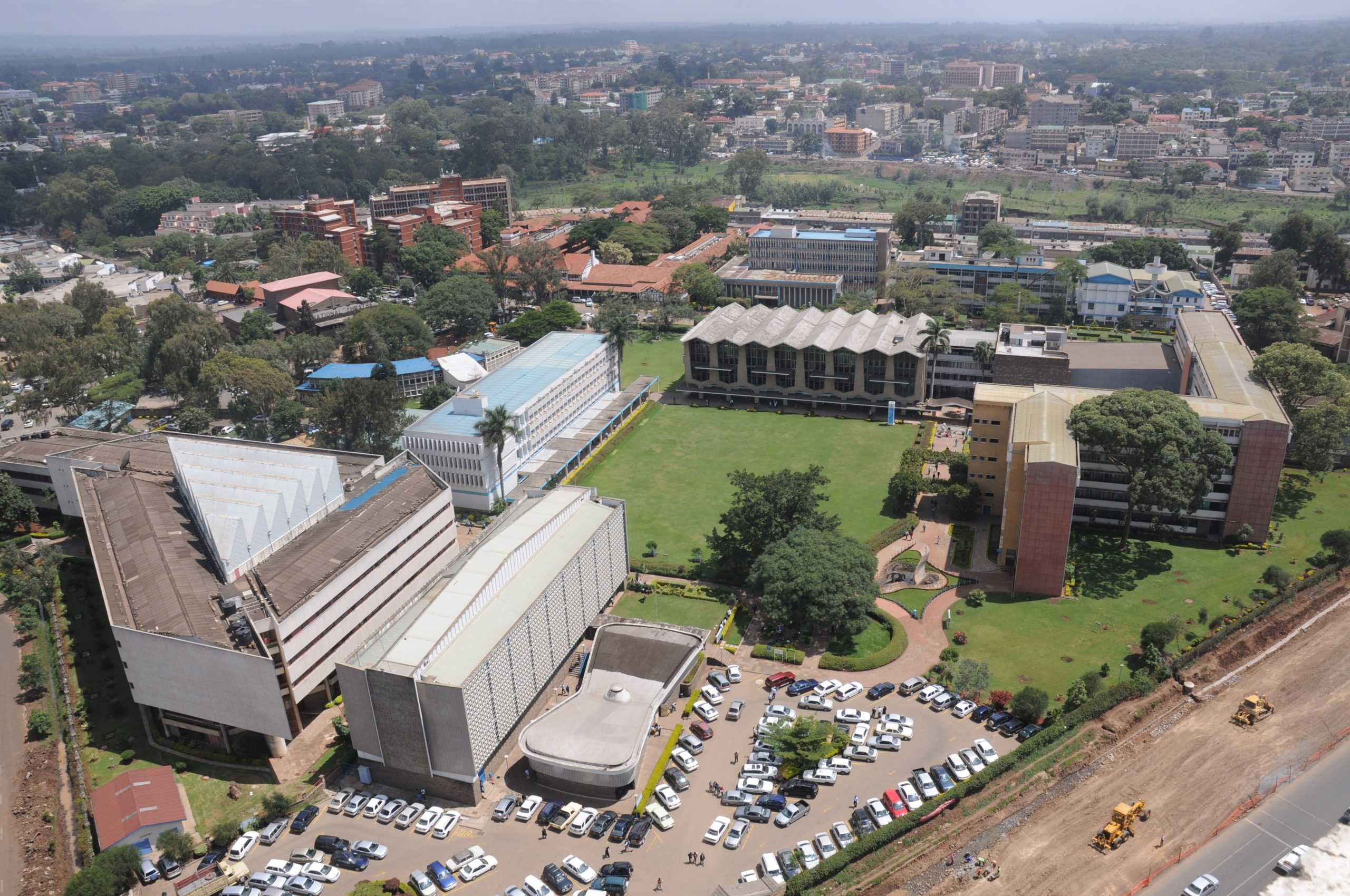
- Universities across the world have built resilient funding models through research, innovation, philanthropy and industry partnerships.
- Opinion writer Hillary Muhalya argues that Kenya’s public universities must diversify their income to overcome mounting financial challenges.
- The article explores global best practices that could strengthen the long-term sustainability of higher education in Kenya.
As governments around the world grapple with slowing economic growth, rising public debt and increasing demands on national budgets, higher education has not been spared the effects of fiscal constraints. Universities, which require substantial investment in teaching, research, infrastructure and innovation, often face difficult financial decisions during economic downturns. Yet while some institutions struggle to remain operational, many of the world’s leading universities continue to expand, innovate and produce globally competitive graduates.
Their resilience is no accident. It is the result of deliberate long-term policies that recognise universities not merely as centres of learning but as strategic national assets that drive economic growth, technological advancement, industrial development and social transformation.
Diversified funding drives resilience
Across North America, Europe, Asia and parts of Africa, governments have adopted funding models that reduce dependence on a single revenue source. Instead, universities are encouraged to build multiple income streams, strengthen governance, commercialise research and cultivate partnerships with industry. This approach has enabled institutions to withstand financial shocks while maintaining academic excellence.
The United States remains one of the strongest examples of diversified university financing. Prestigious institutions such as Harvard University, Stanford University and the Massachusetts Institute of Technology (MIT) combine government-funded research, tuition revenue, philanthropy, investment income and commercialisation of intellectual property. Multi-billion-dollar endowment funds, built over decades through alumni giving and charitable donations, generate investment returns that support scholarships, faculty development, research and infrastructure. This financial cushion enables universities to sustain operations even during periods of economic uncertainty.
The United Kingdom has similarly developed a balanced higher education financing model. Universities including Oxford and Cambridge receive public funding for research while attracting substantial income from international students, competitive research grants, philanthropy and industry partnerships. British universities have also strengthened global collaborations, enabling them to attract research funding from governments, international agencies and private foundations.
Australia has transformed higher education into one of its leading export sectors. Universities such as the University of Melbourne and the Australian National University enrol thousands of international students every year, generating billions of dollars that support teaching, research and infrastructure development. These institutions have also invested heavily in research partnerships with government and industry, ensuring that innovation contributes directly to national economic productivity.
Canada has built a stable higher education system through predictable provincial government funding complemented by federal research grants, alumni philanthropy and commercialisation of university discoveries. Institutions such as the University of Toronto and the University of British Columbia have established innovation ecosystems that connect researchers with industry, creating opportunities for technology transfer, start-up companies and job creation.
Germany demonstrates that affordable higher education can coexist with world-class academic performance. Most public universities charge little or no tuition fees, with federal and state governments providing consistent financial support. Universities such as the Technical University of Munich and Heidelberg University receive additional resources through competitive excellence initiatives that reward outstanding research and innovation.
The Nordic countries have embraced knowledge-driven economies by investing heavily in public universities while encouraging close collaboration between academia and industry. Singapore has positioned higher education at the heart of its national development strategy through substantial government investment and strong partnerships with global industries. Japan and South Korea have similarly integrated universities into national industrial development strategies, ensuring research directly supports economic growth while generating institutional income.
Africa’s emerging success stories
Africa is also producing examples of resilient university systems despite economic challenges.
South Africa remains the continent’s research powerhouse. Universities such as the University of Cape Town, Stellenbosch University and the University of the Witwatersrand have diversified their revenue through research grants, international partnerships, alumni fundraising, executive education and innovation centres. Strong government investment in research and development has enabled these institutions to remain globally competitive.
Egypt has expanded higher education investment through modern research infrastructure and international collaborations, while Morocco has aligned university education with national industrial priorities through institutions such as Mohammed VI Polytechnic University. Mauritius has strengthened its position as a regional education hub by attracting international universities and students, while Botswana continues to benefit from prudent public financing and international research collaborations. Rwanda has also undertaken major reforms by consolidating public universities under the University of Rwanda and strengthening partnerships with global institutions and technology companies.
Lessons for Kenya
Although funding models differ from one country to another, successful university systems share common characteristics. Governments provide predictable financial support because higher education is viewed as a long-term national investment rather than a recurrent expenditure. Universities diversify income through research grants, patents, consultancy, executive education, commercial enterprises and philanthropy. Industry partnerships ensure that research addresses real-world challenges while generating additional revenue, while strong governance and institutional autonomy enable strategic financial decision-making.
Kenya’s public universities have made significant contributions to national development, producing professionals, researchers and innovators who continue to drive economic growth. However, many institutions face mounting financial pressure arising from rising operational costs, increasing enrolment, delayed government disbursements and heavy dependence on tuition fees.
The experiences of leading universities across the world demonstrate that long-term sustainability requires a more diversified approach. Universities can strengthen their financial resilience by establishing professionally managed endowment funds, expanding executive education programmes, commercialising research, investing in technology parks, developing university hospitals and commercial farms, strengthening alumni engagement and attracting more international students.
Equally important is increased investment in research and innovation. Competitive research funding would enable universities to solve national challenges in agriculture, healthcare, manufacturing, renewable energy, climate resilience and digital technology while attracting international grants and private-sector investment. Government also has a central role to play by ensuring predictable funding, strengthening accountability, promoting university-industry collaboration and creating policies that encourage innovation and commercialisation of research.
READ ALSO: Discipline in the digital age: Why schools must balance authority with constitutional rights
Ultimately, the future of Kenya’s higher education sector will depend not only on increased funding but also on bold reforms that encourage efficiency, innovation and strategic partnerships. Countries with the world’s strongest universities have demonstrated that financial resilience is built through diversification, accountability, research excellence and long-term national commitment. For Kenya, embracing these proven approaches would secure the future of public universities, produce globally competitive graduates and position higher education as a key driver of sustainable economic transformation.
By Hillary Muhalya
You can also follow our social media pages on Twitter: Education News KE and Facebook: Education News Newspaper for timely updates.
>>> Click here to stay up-to-date with trending regional stories
>>> Click here to read more informed opinions on the country’s education landscape
>>> Click here to stay ahead with the latest national news.