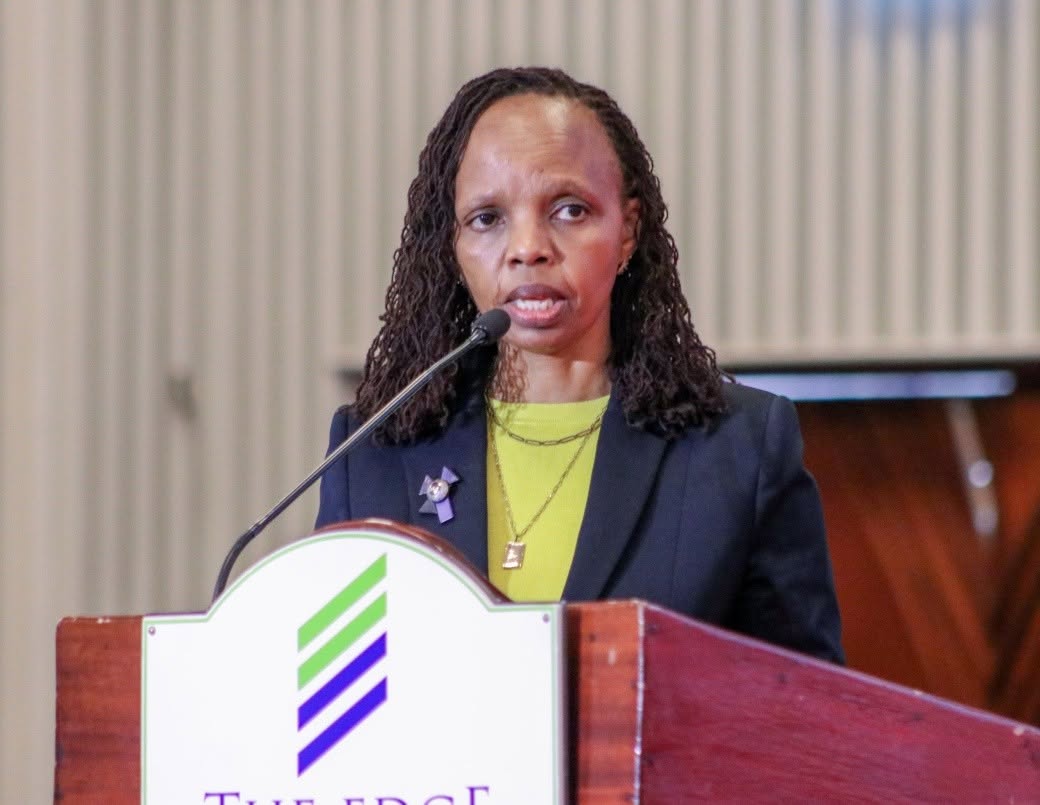
- Chesta TTC has secured three first-place finishes at the ongoing Kenya Music Festival at Kibabii University.
- The college topped the Marakwet Sacred Song, Pokot Folk Song and Pokot Folk Dance categories.
- The victories highlight trainees’ cultural talent while strengthening the institution’s profile on the national festival stage.
Chesta Teachers Training College (TTC) has delivered a powerful statement at the ongoing Kenya Music Festival hosted at Kibabii University, securing first-place finishes in three competitive cultural categories and showcasing the institution’s growing strength in music, dance, creativity and cultural preservation.
The remarkable achievement has placed Chesta TTC among the institutions making a strong impression at the festival, with its trainees demonstrating that teacher education extends beyond the classroom to include talent development, cultural identity, confidence and teamwork.
Chesta’s success came in Marakwet Sacred Song, Pokot Folk Song and Pokot Folk Dance, where its representatives emerged Position One in the respective classes.
The three victories have generated excitement within the college fraternity while providing a powerful demonstration of what can be achieved when talent is combined with preparation, discipline and institutional support.
Three categories, three first-place finishes
The first major triumph came in Class 685, where Chesta TTC emerged Position One in the Marakwet Sacred Song category.
The performance showcased the trainees’ ability to combine musical excellence with the cultural and spiritual dimensions associated with traditional sacred songs.
The college followed that success with another first-place finish in Class 679, emerging Position One in the Pokot Folk Song category.
The winning performance offered a strong representation of Pokot cultural identity while demonstrating the performers’ command of rhythm, song and presentation.
Chesta TTC completed its impressive hat-trick in Class 674, where its team emerged Position One in Pokot Folk Dance.
The performance brought together movement, rhythm, coordination and cultural expression, earning the college another top position and cementing its impressive showing at the festival.
With three victories across three categories, Chesta TTC has demonstrated remarkable consistency and depth in its cultural programmes.
While the three first-place finishes are a major achievement, the importance of Chesta TTC’s success goes well beyond competition.
Traditional songs and dances are important vehicles for preserving Kenya’s cultural heritage. They carry stories, values, beliefs, historical experiences and community identity from one generation to another.
By presenting Marakwet and Pokot cultural performances on a major festival stage, Chesta trainees are contributing to the preservation of traditions that could otherwise face declining interest among younger generations.
The festival therefore provides more than entertainment. It creates an environment where young people can learn about their heritage, practise traditional forms of expression and introduce them to wider audiences.
Preparing future teachers through culture and talent
Chesta TTC’s achievement carries particular significance because its performers are teacher trainees.
The students are preparing for a profession that will place them at the centre of shaping future generations. Their exposure to music, dance and cultural activities equips them with experiences that can later be transferred to classrooms and school communities.
As future teachers, they can encourage learners to appreciate their own cultural backgrounds while developing respect for the traditions of other communities.
The experience also gives the trainees practical understanding of how extracurricular activities can contribute to learners’ overall development.
The success at Kibabii also demonstrates why talent development remains an important component of education.
Music and dance provide learners with opportunities to develop creativity, confidence, communication, discipline, leadership and teamwork.
Unlike activities that rely mainly on individual performance, group music and dance require participants to work collectively. Every performer must understand their role, maintain timing and coordinate with others for the final presentation to succeed.
Chesta TTC’s three victories therefore reflect not only artistic ability but also the discipline and cooperation demonstrated by its performers.
Competing on a major festival stage can be a transformative experience for young people.
Performing before judges and large audiences requires confidence and courage. Emerging at the top can further strengthen performers’ belief in their abilities and encourage them to pursue other opportunities.
For the Chesta trainees, the victories provide tangible recognition of the effort invested in rehearsals and preparation.
The experience may also inspire other students within the institution to discover and develop their own talents.
The achievement also resonates with the broader principles of Competency-Based Education (CBE), which emphasise the development of abilities, creativity and practical competencies alongside academic learning.
Music and dance create practical environments where learners demonstrate communication, collaboration, creativity, self-expression and discipline.
Chesta TTC’s performance consequently illustrates how co-curricular activities can complement formal education and help develop well-rounded professionals.
For teacher trainees, these competencies are particularly valuable because they will eventually be expected to nurture similar abilities among their own learners.
Cultural preservation on national stage
Kenya’s cultural diversity is one of its greatest strengths.
Festivals such as the Kenya Music Festival bring together participants from different communities and institutions, creating opportunities for cultural exchange and mutual appreciation.
A performance rooted in one community’s traditions can introduce audiences from other backgrounds to forms of expression they may never have encountered before.
In this way, Chesta TTC’s participation contributes not only to cultural preservation but also to national cohesion, respect and appreciation of diversity.
The victories were secured on a festival platform bringing together participants from different institutions.
Chesta TTC therefore had to demonstrate its ability to compete effectively against other performers seeking recognition in the respective categories.
However, the publicly available celebration posts confirming Chesta’s victories do not provide a complete official ranking sheet naming every institution that finished behind the college.
The exact identities and positions of the other competitors should therefore not be stated without an official results sheet.
What can be established is that Chesta TTC emerged Position One in the three identified categories, a result that speaks volumes about the quality of its preparation and performance.
Success in music and dance festivals rarely happens overnight.
It requires hours of rehearsal, careful coaching, discipline and a willingness by performers to repeatedly refine their presentation.
Behind Chesta TTC’s victories are therefore the trainees who committed themselves to preparation, trainers who guided and refined their performances, and the wider college community that provided support.
The three first-place finishes represent a collective achievement rather than the accomplishment of individual performers alone.
The victories also have the potential to strengthen Chesta TTC’s institutional profile.
An institution that performs strongly in cultural activities demonstrates its commitment to holistic student development. The achievement could encourage greater investment in music, dance and other creative programmes while motivating more trainees to participate.
For Chesta TTC, the festival has consequently become an opportunity not only to win but also to establish a stronger cultural identity.
The achievement can inspire future teams to build on the foundation laid by the current performers.
Ultimately, Chesta TTC’s performance at Kibabii University represents much more than three first-place finishes.
It is a story of talent meeting opportunity, culture meeting education and discipline meeting determination.
The victories in Marakwet Sacred Song, Pokot Folk Song and Pokot Folk Dance have given the institution national visibility while demonstrating the important role that music and dance can play in education.
For the performers, the achievement is a reward for hard work. For their trainers, it is recognition of dedicated preparation. For the college, it is a moment of institutional pride.
And for Kenya’s cultural heritage, it is another reminder that traditional music and dance can remain vibrant when young people are given the platform and encouragement to carry them forward.
As the Kenya Music Festival continues at Kibabii University, Chesta TTC has already made its mark.
READ ALSO: Court clears way for new civil servants’ salary structure ahead of August payday
Three categories. Three first-place finishes. One institution proudly carrying talent, education and cultural heritage onto the national stage.
By Hillary Muhalya
You can also follow our social media pages on Twitter: Education News KE and Facebook: Education News Newspaper for timely updates.
>>> Click here to stay up-to-date with trending regional stories
>>> Click here to read more informed opinions on the country’s education landscape