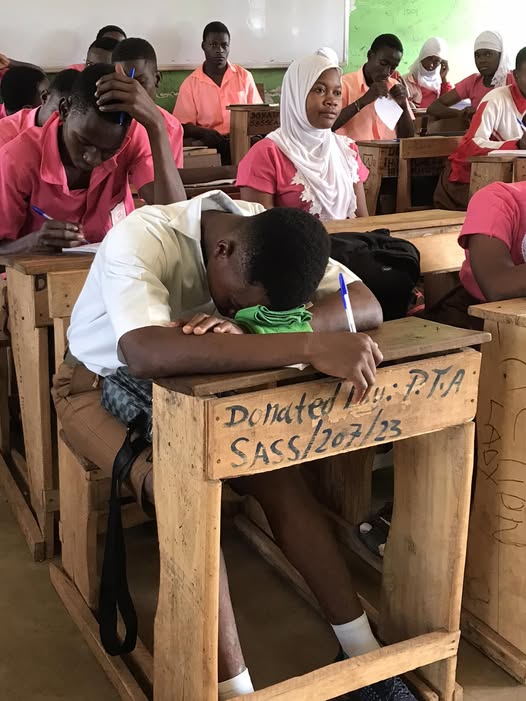
Sleep is often treated as the leftover hour of a learner’s day, something to be squeezed in after homework, social media, revision, and household chores. Yet in reality, sleep is not the end of learning—it is part of learning itself. A learner may attend all lessons, copy all notes, and revise all night, but without quality sleep, much of that effort quietly dissolves into forgetfulness, fatigue, and poor performance.
When a learner sleeps well, the brain does not shut down; it begins its most important work. It sorts, organizes, and stores the day’s learning, turning short-term exposure into long-term understanding. Concepts settle more firmly, facts become easier to recall, and connections between ideas become clearer.
This is why learners who consistently sleep well often appear to “understand faster” than those who stay awake late cramming. Sleep is, in effect, the brain’s invisible classroom where real consolidation happens.
Quality sleep also sharpens attention. A rested learner walks into class with a clear mind, ready to follow instructions, engage in discussion, and respond meaningfully. In contrast, a sleep-deprived learner may struggle to keep their eyes open, miss key explanations, or appear disinterested. What may be mistaken for laziness or indiscipline is often simply exhaustion quietly undermining their capacity to concentrate.
Beyond cognition, sleep stabilizes emotions. Learners who sleep adequately are generally calmer, more patient, and more resilient when facing academic pressure or social challenges. Those who are deprived of sleep often become irritable, anxious, or emotionally reactive.
Small frustrations escalate quickly, conflicts become more frequent, and motivation declines. In many school environments, some behavioural challenges trace their roots not to defiance, but to chronic tiredness.
ALSO READ:
Learners remember emotional experiences longer than classroom notes
Sleep also plays a crucial role in physical health. A well-rested learner has a stronger immune system, fewer sick days, and more consistent attendance. Growth and development, especially in adolescents, are also supported by deep sleep.
On the other hand, persistent sleep deprivation weakens immunity, drains energy, and contributes to frequent illness and absenteeism, all of which directly interrupt learning continuity.
Perhaps less obvious, but equally important, is sleep’s role in creativity and problem-solving. A rested mind is more flexible, more imaginative, and better able to connect ideas in new ways. This is particularly vital in modern education systems that emphasize critical thinking and application rather than memorization alone. Sleep, therefore, is not just restorative—it is intellectually generative.
Yet despite its importance, quality sleep among learners is increasingly under threat. One of the most powerful disruptors is digital technology. Smartphones, social media platforms, and late-night entertainment keep many learners awake long after they should be resting. The glow of screens delays sleep onset and reduces sleep quality, trapping learners in cycles of tired mornings and unfocused days.
Academic pressure also plays a major role. Heavy homework loads, tuition sessions, and last-minute revision push many learners into late-night study routines. In trying to succeed, they unknowingly sabotage the very mental clarity required for success. Poor time management worsens the situation, turning evenings into rushed, stressful study sessions that stretch deep into the night.
Stress and anxiety add another layer of difficulty. Worries about exams, performance expectations from parents, and fear of failure often keep learners awake even when they are physically tired. A restless mind cannot settle easily, and sleep becomes fragmented or delayed.
The sleep environment itself can also be a barrier. Noise, overcrowding, poor bedding, or lack of privacy make it difficult for learners to achieve deep, uninterrupted rest. In some homes, responsibilities and chores extend late into the evening, leaving little time for proper recovery.
ALSO READ:
Kilifi County unveils Ksh20M capitation fund to expand vocational training
Irregular sleep patterns further complicate the issue. When learners sleep late during weekends and attempt early wake-ups during school days, the body’s internal rhythm is disrupted. This inconsistency leads to chronic tiredness, often mistaken for normal fatigue but actually rooted in poor sleep discipline.
Even dietary and lifestyle choices contribute. Caffeine consumption in tea, coffee, or energy drinks—especially in the evening—interferes with sleep cycles. Late-night socializing and unregulated screen time also erode healthy sleep habits.
Ultimately, the importance of sleep in learners cannot be overstated. It is the foundation upon which memory, attention, emotional stability, health, and creativity are built. Without it, even the best teaching methods and the most committed learners struggle to achieve their potential.
Education systems often focus on what happens in the classroom, but much of a learner’s success is determined by what happens at night. Protecting sleep is therefore not a luxury—it is an academic necessity.
A well-rested learner is not just prepared for exams; they are prepared for life.
By Hillary Muhalya
You can also follow our social media pages on Twitter: Education News KE and Facebook: Education News Newspaper for timely updates.
>>> Click here to stay up-to-date with trending regional stories
>>> Click here to read more informed opinions on the country’s education landscape