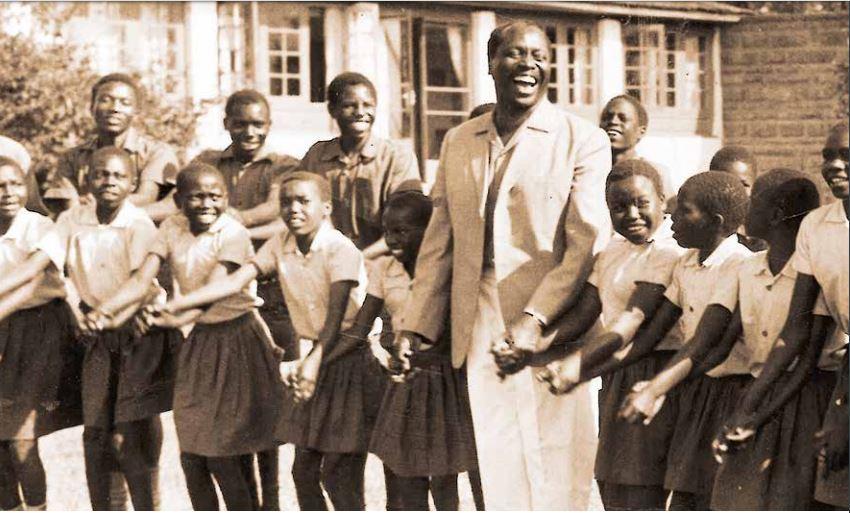
- Former Presidents Daniel arap Moi and Julius Nyerere used education as a tool for national development.
- Both leaders promoted policies aimed at expanding access to learning and empowering young people.
- Their education philosophies continue to influence Kenya and Tanzania decades after their leadership.
The former presidents of East Africa played significant roles in the development of education within the region.
In Kenya, former President Daniel Toroitich arap Moi had a strong background in education before joining politics.
Moi attended the African Inland Mission (AIM) School at Kabartonjo before proceeding to Kapsabet High School.
Between 1945 and 1947, he trained at Tambach Teachers Training College and later undertook further studies at Kagumo Teachers College.
He worked as a teacher and later as a head teacher in several institutions, including Tambach Government School, before joining active politics.
Before Kenya attained independence, Moi served in the country’s transitional government and was appointed Minister for Education.
ALSO READ:
As President, he introduced the School Milk Programme, which supported learners’ nutrition and school attendance in many parts of the country.
Nyerere’s vision for education
In neighbouring Tanzania, Mwalimu Julius Kambarage Nyerere’s educational journey began in Musoma, where he walked long distances to attend school.
Nyerere became one of Africa’s strongest advocates of education as a tool for social and economic transformation.
He championed the philosophy of Education for Self-Reliance, which emphasized the importance of equipping learners with practical skills, independence, creativity and responsibility.
His vision encouraged schools, particularly at the primary and secondary levels, to nurture productive citizens capable of contributing to national development.
Lasting legacy
Both Moi and Nyerere made significant contributions to education in Kenya and Tanzania respectively.
Moi’s philosophy of Peace, Love and Unity and Nyerere’s emphasis on self-reliance, equality and nation-building helped shape educational development and social progress in their countries.
Their commitment to expanding educational opportunities and strengthening learning institutions left a lasting impact that continues to influence education policy and practice across East Africa today.
By Martin Ruto
You can also follow our social media pages on Twitter: Education News KE and Facebook: Education News Newspaper for timely updates.
>>> Click here to stay up-to-date with trending regional stories
>>> Click here to read more informed opinions on the country’s education landscape