Ashford Kimani writes that KCPE was more than just a national examination, describing it as the heartbeat of Kenya’s education system that shaped ambition, discipline, and academic identity for generations of learners.
For thirty-eight years, the Kenya Certificate of Primary Education, popularly known as KCPE, was more than just an examination. It was a national event. It was a season. It was a culture. It was a pressure cooker that shaped the rhythm of life in homes, schools, villages, and towns across Kenya.
Today, with the Competency-Based Education system having phased it out, many people are slowly discovering that KCPE was not merely an exam. It was the heartbeat of Kenya’s education ecosystem.
There was something dramatic and unforgettable about KCPE. Every child knew that Class Eight mattered. Every parent knew it, too. Teachers organised their entire school calendar around it. Schools measured their reputation by it. Entire communities celebrated or mourned because of it. It gave education a sense of climax and direction.
For many Kenyans, waking up at 4 a.m. for tuition, carrying piles of revision books, attending academic clinics during holidays, and hearing constant reminders about “your future” became part of growing up. KCPE created seriousness. It created urgency. It made school feel important.
The pressure was enormous, yes, but pressure also created focus. Learners understood from an early age that effort mattered. There was a target ahead. There was a mountain to climb. The dream of joining a national school or a prestigious extra-county school motivated thousands of learners from humble backgrounds. Some children from villages with no electricity fought their way through difficult conditions because KCPE offered the possibility of social mobility.
The exam equalised people in a strange but powerful way. Whether one came from Nairobi or Turkana, a rich family or a poor family, everyone sat the same paper. The score became the language of comparison. It was imperfect, but it was clear. Kenya understood the system.
KCPE also created memories that generations still carry emotionally. The tension in school compounds during mock exams. The fear of mathematics papers. The excitement after finishing Science. The sleepless nights before results day. Families are crowding around radios and televisions, waiting for the top candidates to be announced. Newspapers print rankings and school performances. Villages proudly produce “the best student in the area.” Those moments made education feel alive.
Today, many people quietly admit that something disappeared with the death of KCPE.
Under the new system, assessment is spread across many years and many activities. While the intention behind Competency-Based Education may be noble, the emotional climax that KCPE created is gone. There is no single defining moment that unites the country educationally. The atmosphere feels flatter. School routines feel ordinary. The sense of academic suspense has reduced significantly.
Some learners now move through school without feeling that powerful urgency that once existed. Teachers, too, sometimes struggle to create the same level of academic seriousness. Parents who grew up under the KCPE occasionally find it difficult to emotionally connect with the newer system because they were conditioned to believe that one major exam symbolised achievement.
One cannot ignore the psychological power KCPE had over society. Threats were built around it. Motivational speeches revolved around it. Children were constantly reminded that “KCPE will determine your future.” Sometimes the pressure became unhealthy, but it undeniably made education command respect.

Schools became highly organised because of the KCPE. Academic targets were visible everywhere. Mean scores were discussed passionately in staffrooms. Revision programs were intense. Even weak schools fought desperately to improve because performance was public and measurable.
The end of KCPE also marked the death of certain traditions in Kenyan schools. The famous academic rallies. Ranking charts pinned on classroom walls. Candidates receiving special treatment. Motivational banners across compounds. Night revision in boarding schools. Prayer days attended by emotional parents. Candidate sweaters were written “KCPE 2023.” Those traditions created identity and belonging.
Critics of KCPE are correct when they say the system encourages cramming, unhealthy competition, and excessive pressure on children. Some schools became almost military institutions. Learners were punished harshly for poor marks. Anxiety and fear were common. In some cases, children were reduced to numbers and grades. Reform was necessary.
But even as Kenya moves forward, nostalgia for KCPE continues growing because people are not only missing the examination itself. They are missing the structure, clarity, excitement, and emotional energy it brought into the education system.
A society functions best when its institutions create meaning and aspiration. KCPE did that. It gave children something concrete to pursue. It made success visible. It made the effort measurable. It made school feel consequential.
Today, many schools are still trying to redefine motivation under the new curriculum. Without one central national climax, the educational journey sometimes feels fragmented. Learners move from one assessment to another without the emotional gravity that once came with preparing for a single life-defining examination.
READ ALSO: The exam that disciplined a nation-two years without the dreadful KCPE
Perhaps the future will eventually normalise the Competency-Based Education system and create new traditions that future generations will treasure. Every education system evolves with time. But for millions of Kenyans who lived through the KCPE era, there will always remain a strange emotional attachment to those days.
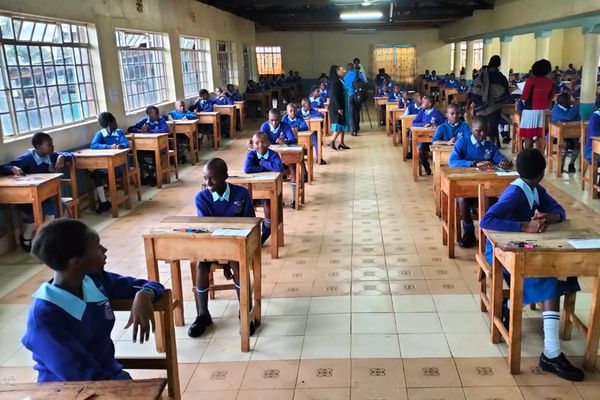
The mention of KCPE still awakens memories of sharpened pencils, brown mathematical sets, tense examination rooms, anxious invigilators, and parents praying silently outside school gates. It reminds people of ambition, fear, discipline, pressure, dreams, and hope, all compressed into one national experience.
Kenya did not just retire an examination. It retired an era.
By Ashford Kimani
Ashford teaches English and Literature in Gatundu North Sub-county and serves as Dean of Studies.
You can also follow our social media pages on Twitter: Education News KE and Facebook: Education News Newspaper for timely updates.
>>> Click here to stay up-to-date with trending regional stories
>>> Click here to read more informed opinions on the country’s education landscape