- Gold mining is increasingly drawing school-going children away from classrooms in parts of Kuria.
- Migori Deputy Governor Joseph Mahiri has urged parents to protect children from mining-related child labour.
- Komasincha Primary School says it has lost pupils to mining activities despite efforts to keep them in school.
The Kuria community has been urged to embrace alternative sources of livelihood and keep children in school amid concerns over the impact of gold mining on education.
Migori Deputy Governor Dr Joseph Mahiri said poverty and dependence on mining had contributed to children dropping out of school and becoming involved in mining activities.
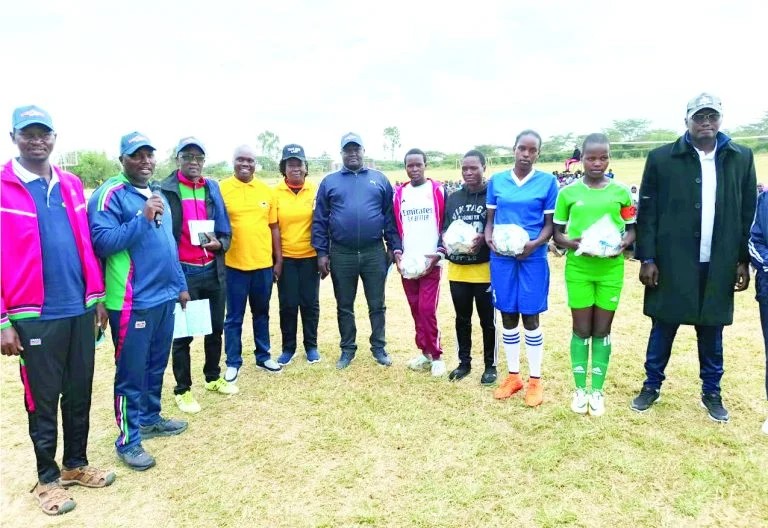
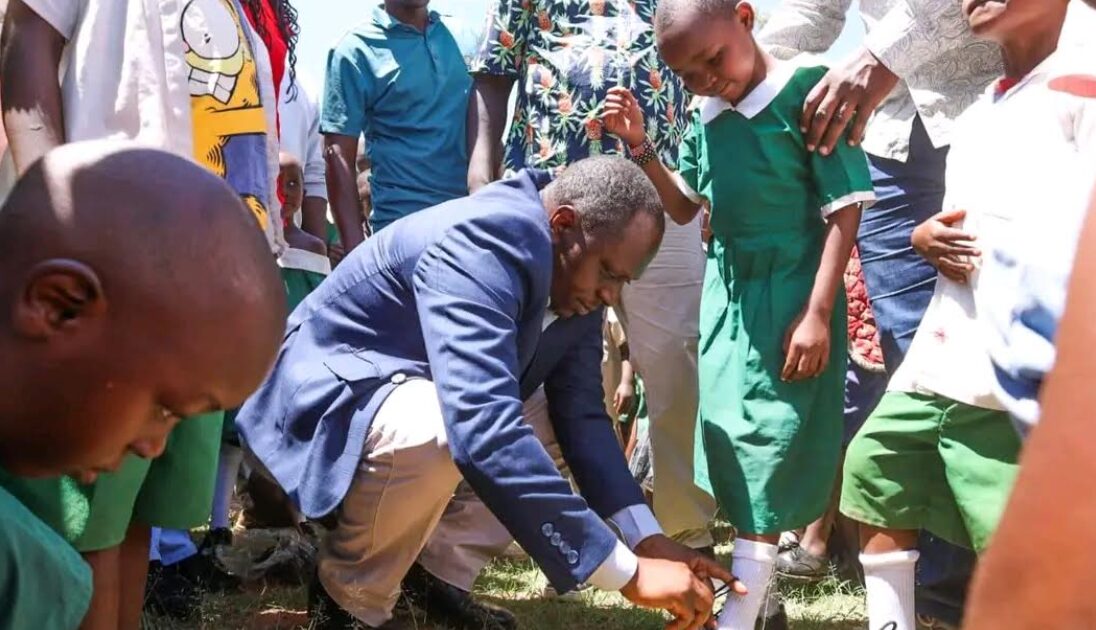
He spoke during a visit to Komasincha Primary School in Kuria West Sub-County, where he handed out shoes to pupils in an effort to motivate them to remain in school.
“I want to encourage parents from Kuria to emphasise the importance of prioritising education over economic activities, such as gold mining, which disrupts academic excellence,” Mahiri said.
He cautioned parents against exposing school-going children to mining, saying minors should be protected from hazardous labour and given an opportunity to complete their education.
“I am urging the Kuria residents to embrace responsible mining practices and prioritise education over child labour. I also want to emphasise that mining should remain an income-generating activity for adults, not children,” Mahiri said.
The Deputy Governor said education would provide children with opportunities to become professionals and improve the livelihoods of their families and communities in the long term.
Komasincha Primary School headteacher Simon Manganyi said the school had lost many pupils to mining activities over the years.
“The majority of the schoolchildren have been lost in mining activities, exposing them to child labour and health risks,” Manganyi said.
Manganyi said the school currently has a population of about 500 pupils but has continued to record significant dropout linked to mining activities in the region.
Parents receive maize seeds
Parents at the school received maize seeds to plant during the September-October short rains as part of efforts to strengthen household livelihoods.
The provision of the seeds is intended to help families produce food and reduce their dependence on mining as their main source of income.
Mahiri said strengthening household livelihoods would complement efforts to keep children in school.
He urged parents to view education as a long-term investment and ensure that children are not forced to choose between schooling and economic activities.
READ ALSO: CEMASTEA gives Junior School teachers Sept 15 deadline to complete virtual lab certification
“Mining can provide income for adults, but our children must be given the opportunity to learn, grow and prepare for their future,” he said.
By Kimutai Langat
Get more stories from our website: Education News
To write to us or offer feedback, you can reach us at: editor@educationnews.co.ke
You can also follow our social media pages on Twitter: Education News KE and Facebook: Education News Newspaper for timely updates.
>>> Click here to stay up-to-date with trending regional stories