

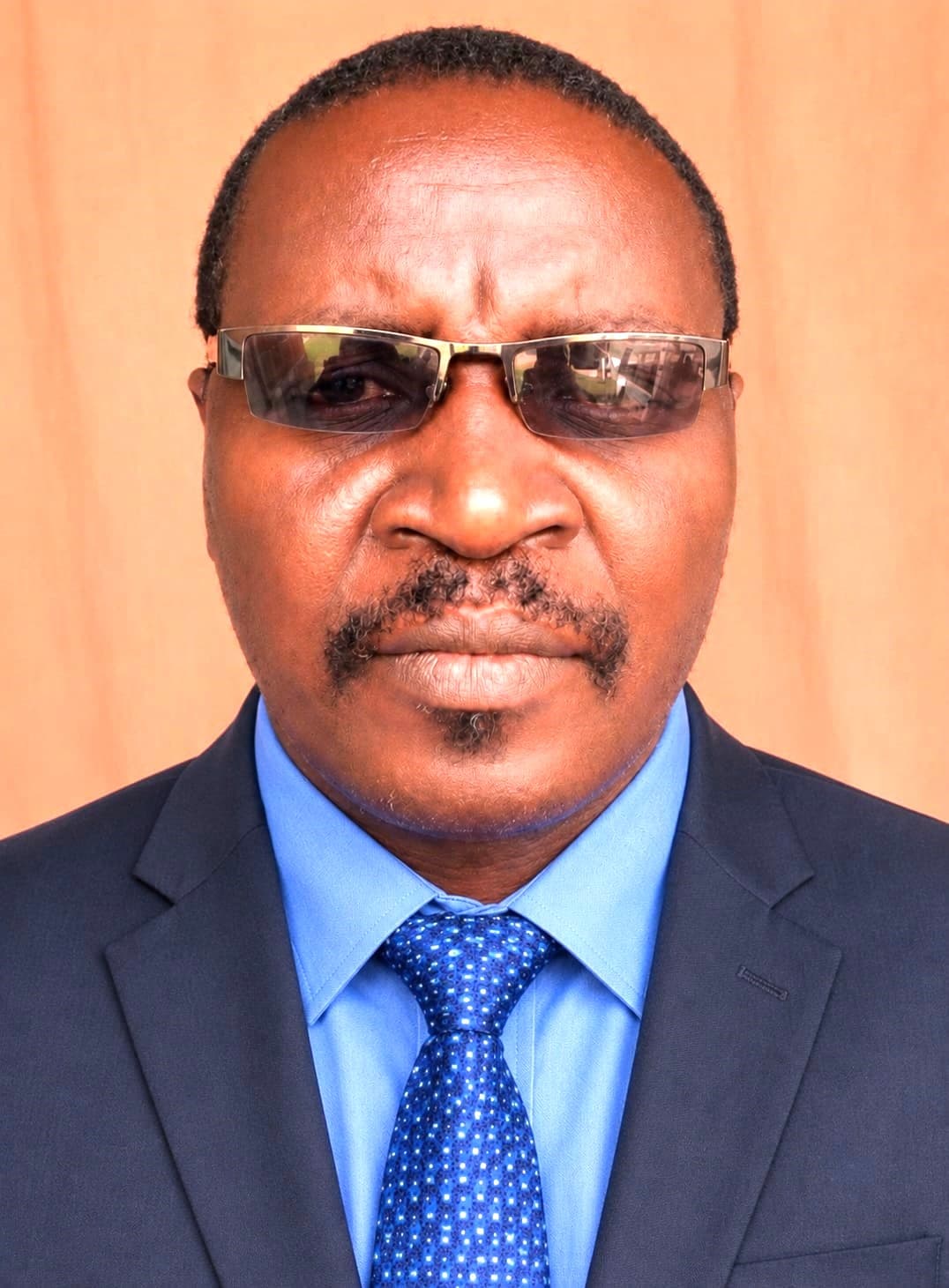
- Hillary Muhalya argues teachers possess communication and community networks that could propel them into politics.
- Growing political organisation among educators suggests more teachers could seek elective positions in the 2027 elections.
- Their classroom experience could strengthen education representation, although teaching skills alone cannot guarantee effective leadership.
Before William Ruto became Kenya’s President, he stood before students as a teacher at Sirgoi and Kamagut secondary schools in the North Rift in the early 1990s. Today, he occupies State House. His journey from the classroom to the highest political office in the country offers a striking reminder that the teacher’s voice does not necessarily end at the classroom door.
That reality is becoming increasingly relevant as Kenya heads towards the 2027 General Election, with more educators openly discussing political representation while some are contemplating a direct move from the classroom into elective politics.
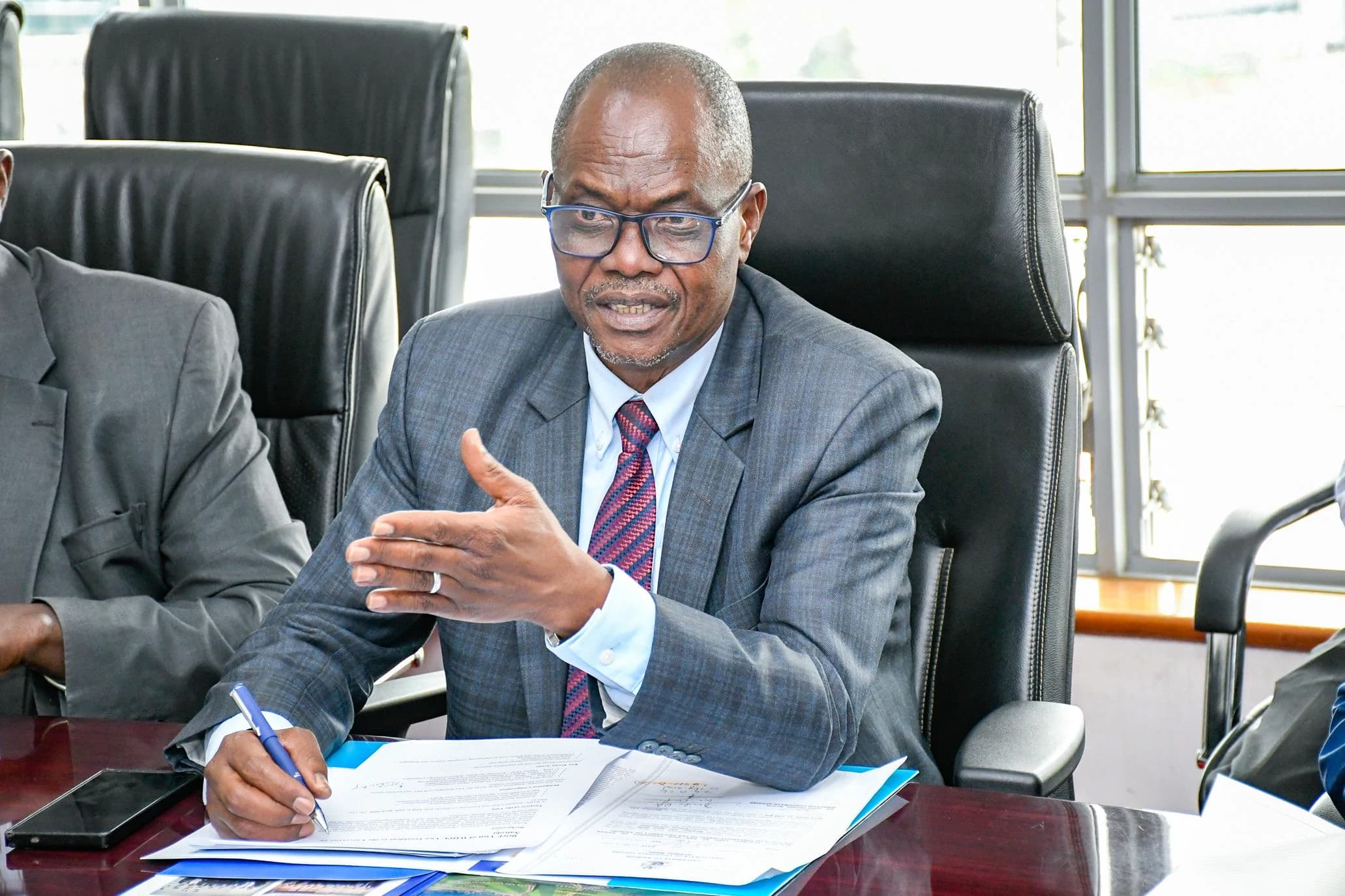
The latest development came with the launch of the Vision for Development Alliance (VIDA) by former Chuka University Vice-Chancellor Prof Erastus Njoka. Njoka, who finished second in the 2022 Tharaka-Nithi gubernatorial contest, says his new party will provide a platform for aspirants seeking various elective positions ahead of 2027 and plans to seek the governorship again.
But the more intriguing political story may be unfolding among teachers themselves.
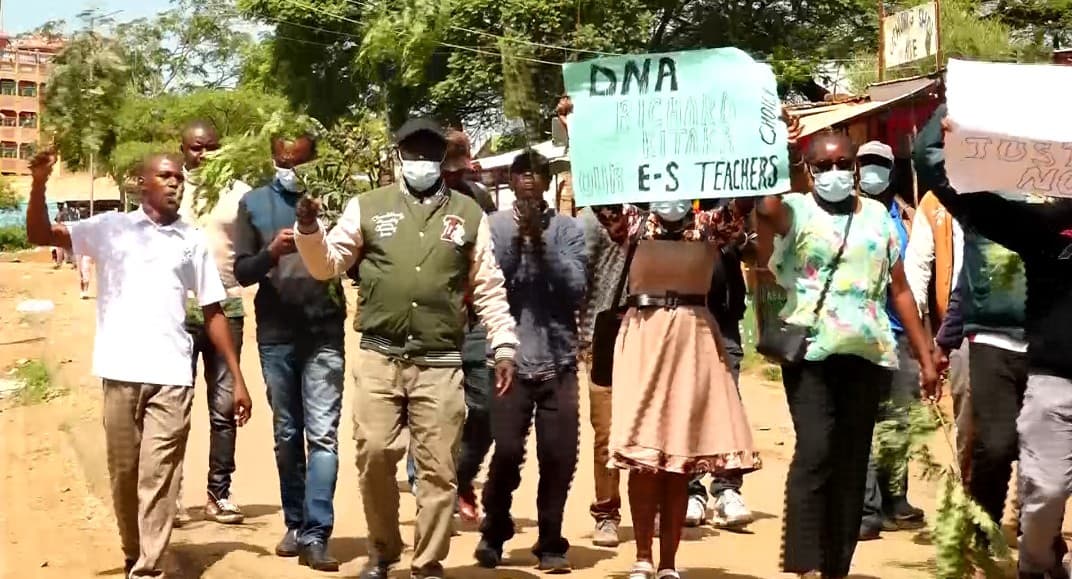
In Siaya, educators from different levels of the education system recently organised themselves into a political movement seeking a structured voice in political and policy discussions ahead of 2027. The initiative brings together teachers from early childhood, primary, JSS, senior secondary, tertiary institutions and retired educators. Its organisers have spoken about securing representation in elective institutions while also cautioning against rushing into premature candidate endorsements.
That development gives substance to what many teachers elsewhere have been saying informally: they do not want merely to teach about leadership and representation; some want to become the legislators and decision-makers themselves.
And perhaps they have been preparing for politics for years without calling it politics.
The teacher already has the microphone
Wherever teachers are, they are often given the front seat.
At funerals, churches, fundraisers, community meetings, public forums and social gatherings, the teacher is frequently invited to speak, advise, mediate or explain. A teacher may walk into a gathering without holding an elected office, yet still be handed the microphone and asked to address the crowd.
That social standing is a political asset.
Give a teacher a microphone as an aspirant and the crowd will almost certainly be moved.
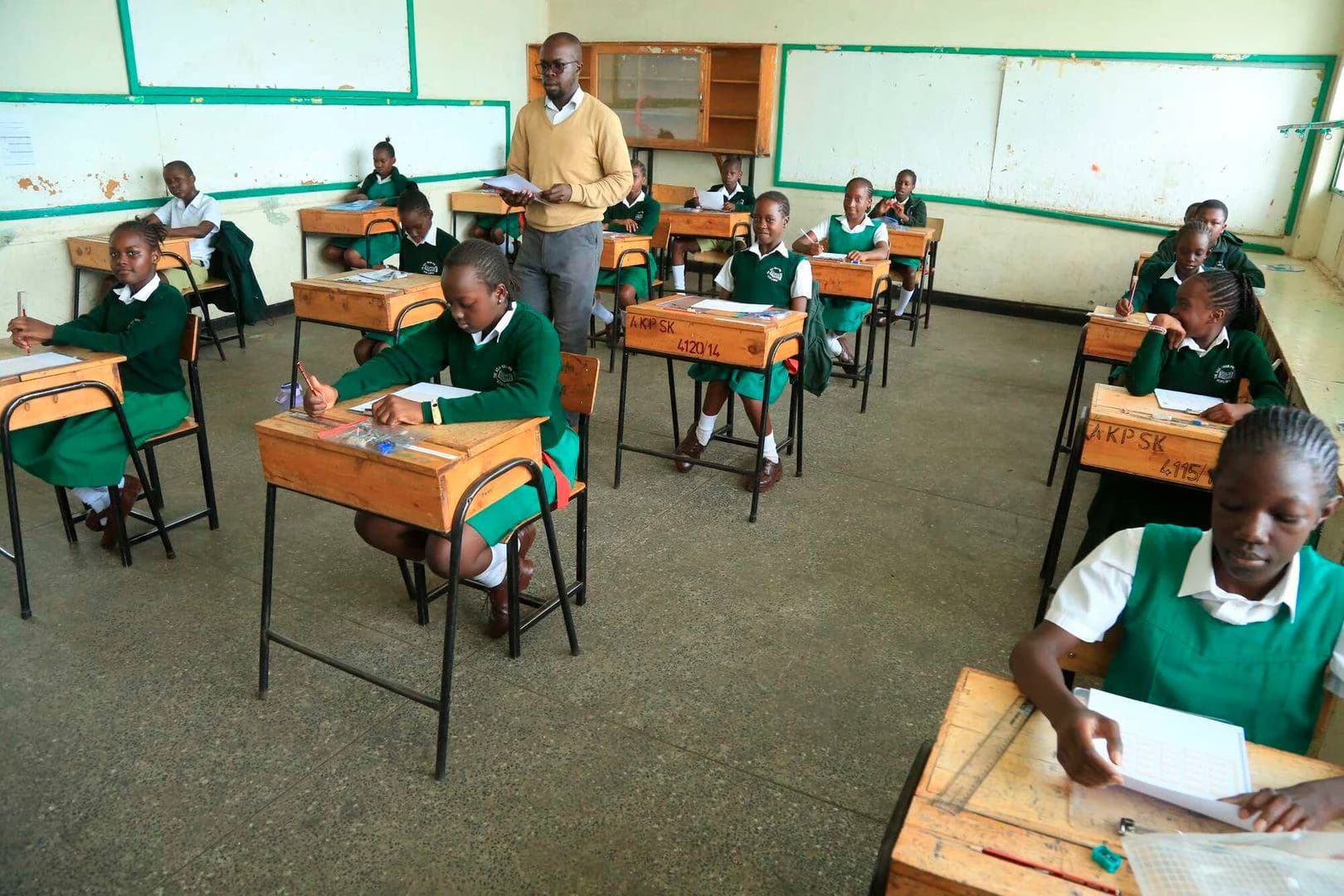
A teacher spends years standing before audiences—children, parents, colleagues and communities—explaining difficult ideas in language people can understand. The profession demands confidence, persuasion, patience, organisation and the ability to hold attention.
It is the power of the gab, honed not in political rallies but in classrooms.
A good teacher knows how to make people listen.
The same teacher knows how to construct an argument, anticipate questions, simplify complicated issues, read an audience and drive home a message. When such a person walks onto a political platform, he or she may not be starting from zero.
This helps explain why the movement from teaching to politics is not new in Kenya.
Educators have become MPs, governors, senators, union leaders and senior public officials. Some have entered politics after years in teachers’ unions, where they acquired experience in mobilisation, negotiation, advocacy and public speaking.
The classroom can therefore become an unlikely political training ground.
Teachers are also geographically dispersed in a way that gives the profession extraordinary community reach. There are teachers in virtually every constituency and ward, interacting daily with parents, learners, religious leaders, administrators, professionals, entrepreneurs and community organisations.
Their influence is not confined to one generation.
The child sitting in a classroom today may become tomorrow’s doctor, lawyer, engineer, businessperson, civil servant—or politician. A teacher can therefore build relationships whose political significance emerges years after the pupil has left school.
That creates another advantage: familiarity.
Politicians often spend election seasons trying to introduce themselves to voters. Teachers, by contrast, may already have spent years within the community. They have attended its ceremonies, counselled its families, taught its children and participated in its local conversations.
From firebrand teacher to political aspirant
This is where the phrase “firebrand teacher” becomes politically interesting.
It does not necessarily describe a confrontational politician. It can describe an educator who is articulate, confident, organised, persuasive and willing to challenge authority.
Some teachers have already demonstrated those qualities through union activism and public advocacy. Once transferred to electoral politics, those skills can become powerful tools for campaigning and representation.
The growing political interest among teachers therefore deserves attention without assuming that teachers constitute a single political constituency.
They do not.
Teachers have different political affiliations, ideological positions, economic interests and personal ambitions. The Siaya initiative itself illustrates the distinction: its organisers have called for structured engagement and representation while warning teachers against rushing into endorsements.
Yet the political ambition is unmistakable.
Imagine a 2027 ballot paper carrying significantly more names of current or former teachers seeking parliamentary, county assembly and other elective seats.
It would introduce into politics a class of aspirants already accustomed to public speaking, community engagement and organised mobilisation.
It could also strengthen the education voice in legislative chambers.
Teachers understand education policy from the ground. They know what teacher shortages mean in actual classrooms. They understand the frustrations of parents, the pressures facing learners and the practical consequences of government decisions.
A Parliament with more former educators could therefore bring a deeper classroom perspective to debates on education, public service, children and human capital development.
Teaching skills are not enough
But there is an important paradox.
Kenya needs teachers in classrooms. If large numbers of serving educators abandon teaching for elective politics, already strained staffing levels could face additional pressure. And teaching experience, valuable as it is, does not automatically translate into effective political leadership. Public office requires policy knowledge, accountability, judgement, integrity and the ability to work with people holding different interests.
The political classroom is therefore not automatically the same as the real classroom.
But neither should the political potential of teachers be underestimated.
Prof Njoka’s transition from university leadership into active party politics adds another dimension to the story. His VIDA launch is part of the widening movement of educationists and professionals entering the political arena ahead of 2027.
And Ruto’s biography provides perhaps the most dramatic illustration.
Before the presidential podium, there was the classroom.
Before the national rallies, there were students.
Before the State House microphone, there was the teacher’s voice.
Ruto taught at Sirgoi and Kamagut secondary schools before moving fully into politics.
His story does not mean every teacher is destined for politics. It does, however, demonstrate that the distance between the classroom and the highest political office in Kenya is not as wide as it might appear.
The question now is whether 2027 could see more teachers making that journey deliberately.
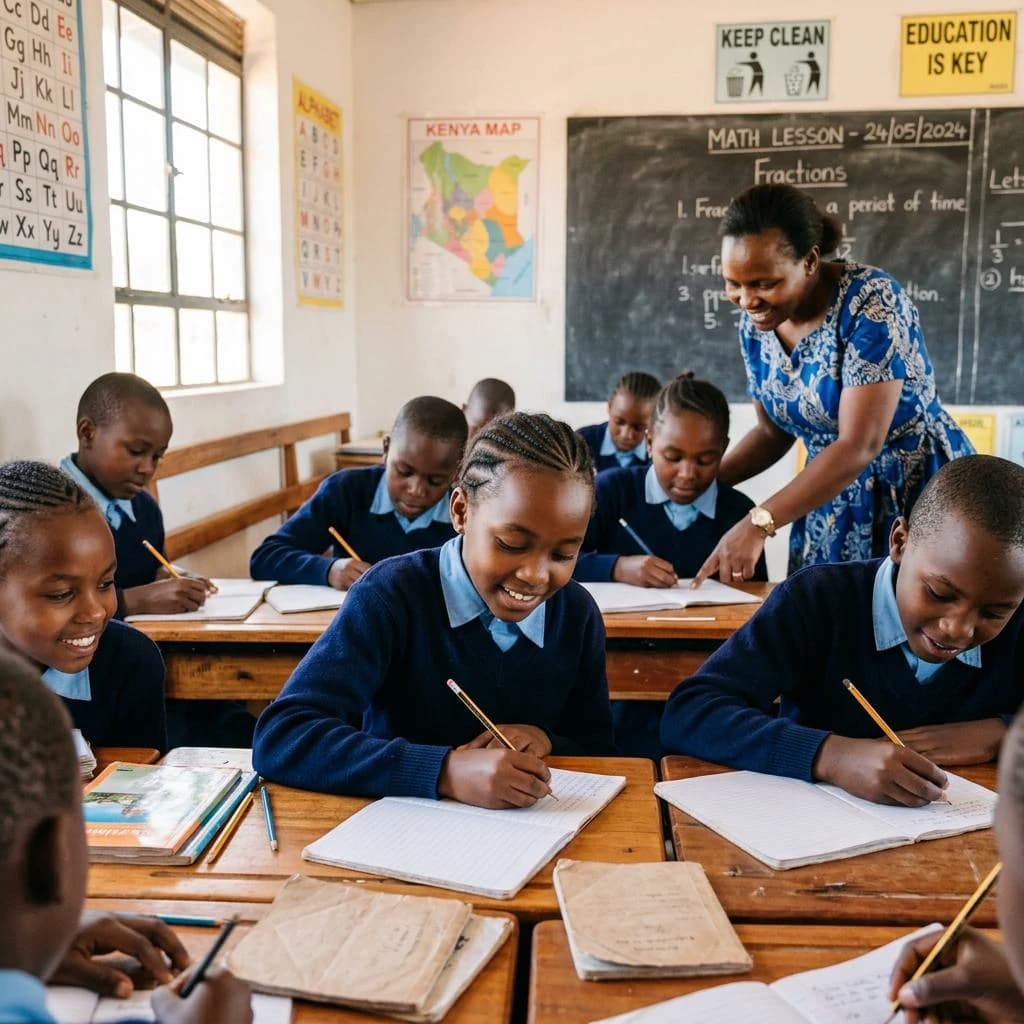
For years, teachers have been teaching children about Parliament, leadership, citizenship, government and democracy.
Some now appear ready to move from explaining those institutions to sitting inside them.
And perhaps that is why the political significance of the teacher deserves a second look.
A teacher may not begin with a party office, a political machine or a large campaign budget. But give that teacher a microphone, place him or her before a crowd and ask for a message—and the teacher already knows the first rule of public persuasion:
Make people listen.
Kenya’s classrooms may therefore be producing more than pupils and professionals. They may also be producing political aspirants, legislators and public leaders.
The chalkboard and the political podium may look like different worlds.
READ ALSO: Astiba Kebong’o: Schools must prepare early for El Niño rains as national exams approach
But in Kenya, the journey from one to the other has already been made.
Hillary Muhalya
Get more stories from our website: Education News
To write to us or offer feedback, you can reach us at: editor@educationnews.co.ke
You can also follow our social media pages on Twitter: Education News KE and Facebook: Education News Newspaper for timely updates.
>> Click here to stay up-to-date with trending regional stories

Reader Discussion (0)
Sign in to comment