






There was a time when teachers were reminded to remain professional and avoid active participation in politics. They were expected to concentrate on educating learners, shaping young minds and preparing future generations for leadership. Political neutrality was often emphasised as a way of maintaining professionalism and protecting the integrity of the teaching profession.
Today, the political atmosphere seems to be changing. Almost everyone appears willing to express political opinions, defend political leaders, support political movements and join political discussions. Social media platforms have become arenas for political debate, with people from different professions openly stating their preferences.
This raises an important question: if everyone else is free to participate in politics, why should teachers be treated differently?
Teachers are citizens before they are professionals. They pay taxes, experience the rising cost of living, face economic challenges and are directly affected by government policies on education, salaries, housing, healthcare and taxation. They have families to support and communities to serve. Like every other citizen, they have a legitimate interest in the decisions made by those in political leadership.
It would therefore be unfair to suggest that teachers should surrender their civic rights simply because of their profession.
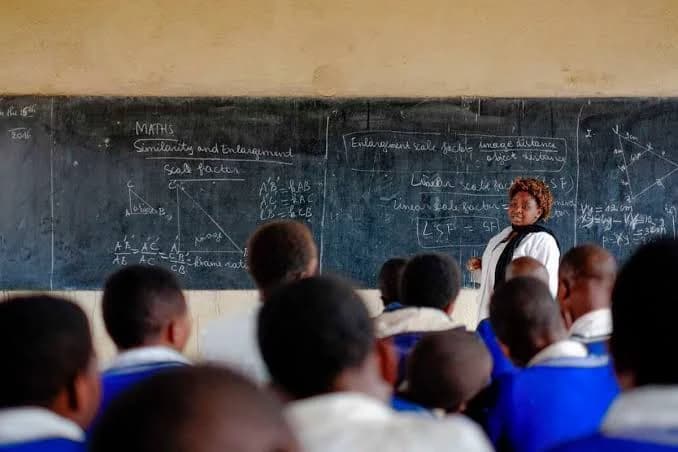
However, there is a need to distinguish between participating in politics as a citizen and allowing political interests to interfere with professional responsibilities. Teachers have a duty to educate learners without imposing personal political opinions on them. Their classrooms should remain places where knowledge, critical thinking and respectful debate are encouraged, regardless of political affiliation.
The real issue, therefore, is not whether teachers should have political opinions. They certainly have the right to hold them. The question is whether the rules governing their political participation are clear, fair and consistently applied.
When teachers are warned against political involvement while other professionals participate openly, concerns about fairness and equal treatment naturally arise. Such concerns deserve an honest discussion rather than blanket condemnation. Teachers should not be expected to remain silent on every public issue affecting their welfare and the future of their learners. They should be able to raise legitimate concerns, question policies and engage in civic discussions within the limits of the law and their professional obligations.
At the same time, political participation must come with responsibility. No teacher should use the classroom to campaign for a political party, intimidate learners because of their political views or compromise the impartial delivery of education. A professional can remain impartial in the classroom without becoming indifferent to the affairs of the nation.
Ultimately, the debate should not be about forcing teachers into political silence. It should be about establishing a fair balance between their constitutional rights, their professional responsibilities and the expectations placed on public servants.
Teachers are educators, but they are also citizens. If politics affects the classroom, the teacher's welfare and the future of the learner, then the question is no longer whether teachers should care about politics. It is how they can participate responsibly without compromising the profession they represent.

Reader Discussion (0)
Sign in to comment