





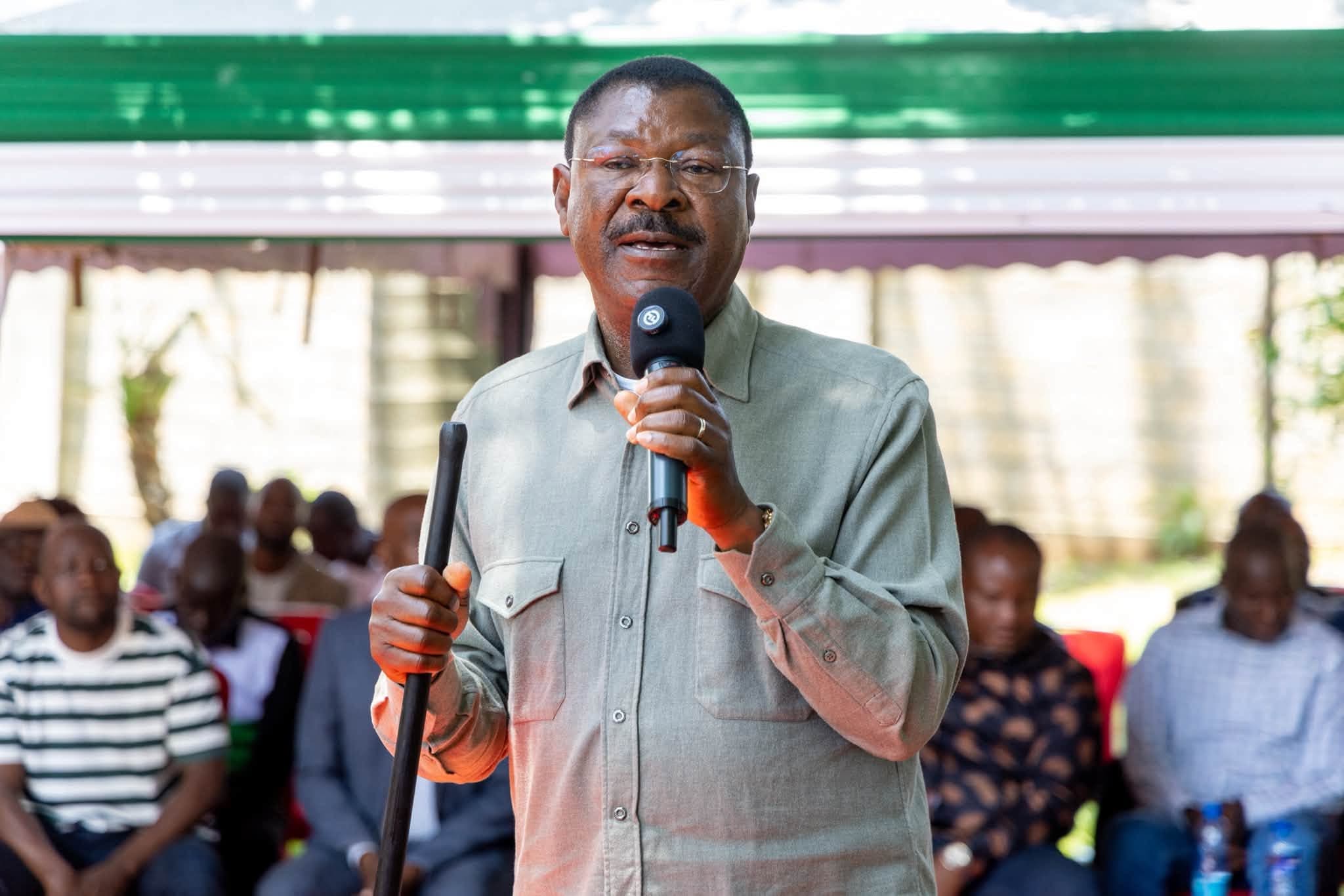
National Assembly Speaker Moses Wetang'ula has directed the Departmental Committee on Education to urgently address longstanding concerns over the management of Junior Schools (JS), bringing the debate over administrative independence, funding and accountability into fresh parliamentary focus.
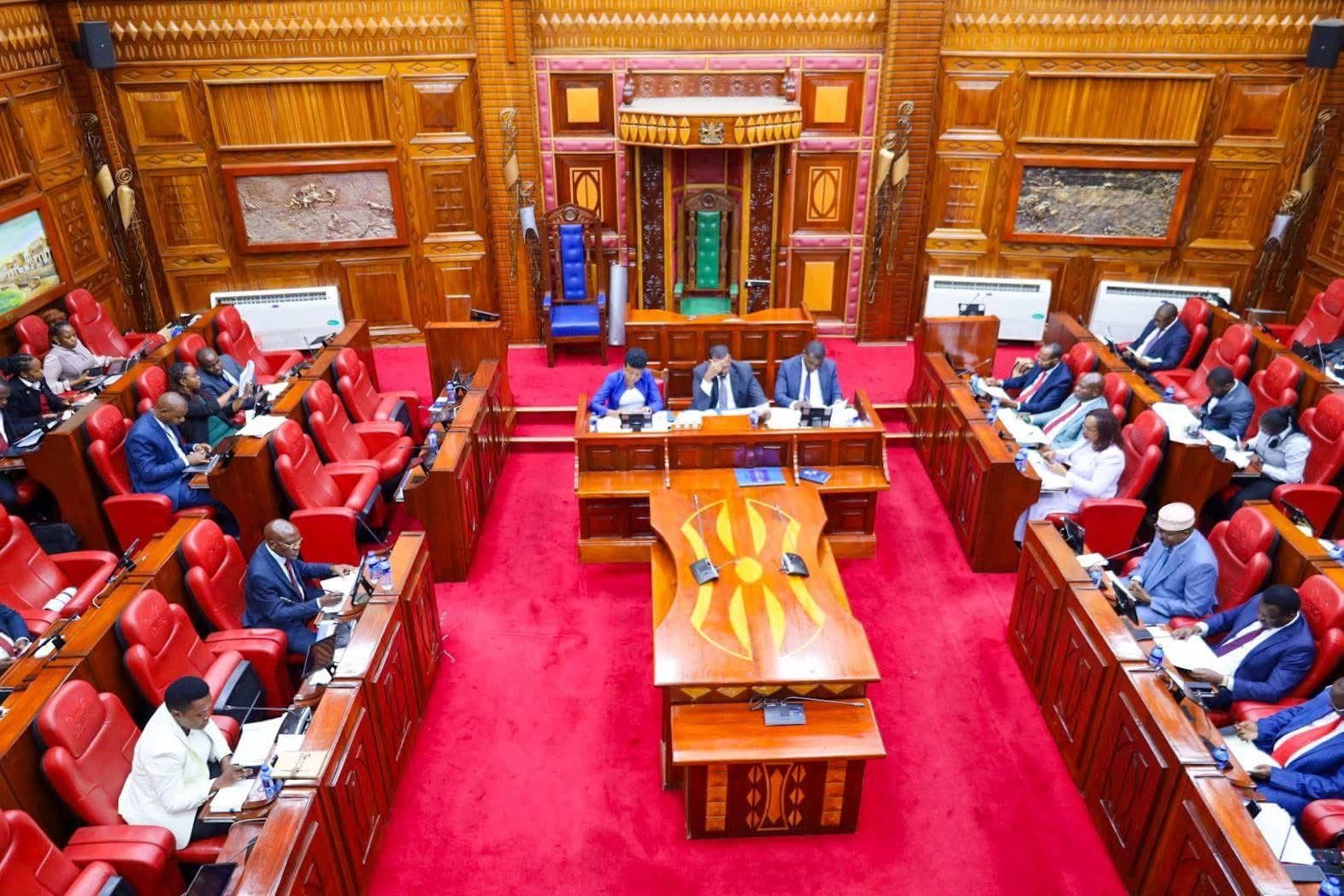
Speaking in the House on Wednesday, October 21, 2026, Wetang'ula instructed committee chairperson Julius Melly to work closely with the Ministry of Education to resolve concerns raised by teachers and members of the public over the placement of JS within primary schools.
The Speaker questioned whether primary school administrations have adequate capacity and appropriately trained personnel to manage resources allocated to junior school learners. He also raised concerns about the handling of capitation funds channelled through primary school accounts and challenged the committee to ensure critical financial and operational responsibilities are assigned to qualified personnel.
The directive has renewed pressure on education authorities to clarify who should manage junior schools, account for their funding and exercise professional leadership as Kenya implements Competency-Based Education (CBE).
JS autonomy debate gathers momentum
The intervention gives fresh parliamentary attention to longstanding grievances among JS teachers, who have called for clearer administrative structures, greater financial independence and recognition of their professional responsibilities.
Teachers argue that placing junior sections under primary school administration has blurred reporting lines, complicated resource management and left them subordinate to primary school heads despite the distinct curriculum and learning requirements at junior level.
Their concerns go beyond titles and administrative hierarchies. They centre on who makes decisions, who controls resources and who is ultimately accountable for delivering the curriculum.
For many teachers, the debate is also about professional recognition and whether the existing administrative framework adequately reflects the responsibilities associated with teaching junior school learners.
Capitation funds and accountability under scrutiny
The management of capitation funds remains central to the debate. Stakeholders want stronger safeguards to ensure that money allocated to junior school learners is properly tracked, spent on intended priorities and accounted for transparently.
Channelling funds through primary school accounts has raised questions about financial oversight, resource allocation and the ability to distinguish expenditure intended for different levels of basic education.
However, concerns about possible mismanagement must be addressed through proper scrutiny and evidence rather than assumptions of wrongdoing.
The committee and the Ministry of Education will need to examine whether separate financial accounts, dedicated management structures or revised accountability procedures would provide the most effective solution.
CBE reforms need clear management structures
The dispute highlights a wider challenge in implementing CBE: curriculum reforms must be supported by administrative arrangements that reflect the needs of learners and teachers at each level of basic education.
Junior school education requires specialised teaching, appropriate facilities, practical learning resources and effective assessment. These priorities demand clearly defined responsibilities among teachers, school leaders and education officials.
Physical separation of junior schools from primary schools may be difficult in some areas because of limited infrastructure and financial constraints. However, administrative clarity and accountability need not wait for the construction of separate facilities.
The government must therefore balance calls for autonomy with practical realities, ensuring that reforms strengthen educational delivery rather than create additional administrative burdens.
Will Parliament deliver concrete reforms?
Wetang'ula's directive has elevated the JS autonomy debate from a longstanding teachers' grievance to an issue requiring parliamentary scrutiny. However, the directive does not itself establish a new management system or guarantee the separation of junior schools from primary schools.
The next step rests with the Departmental Committee on Education and the Ministry of Education, which must examine the concerns and determine what administrative, financial and institutional changes are necessary.
For JS teachers, the central question is whether the intervention will translate into meaningful changes in their working environment, professional responsibilities and participation in school management.
Ultimately, the success of CBE will not be measured by administrative titles or institutional boundaries, but by whether reforms empower teachers, protect public resources and give every learner a fair opportunity to succeed.



Reader Discussion (0)
Sign in to comment