

Members of Parliament have raised concerns over proposed changes to the legal definition of a journalist, warning that the reforms could exclude some information gatherers and digital content creators from the profession.
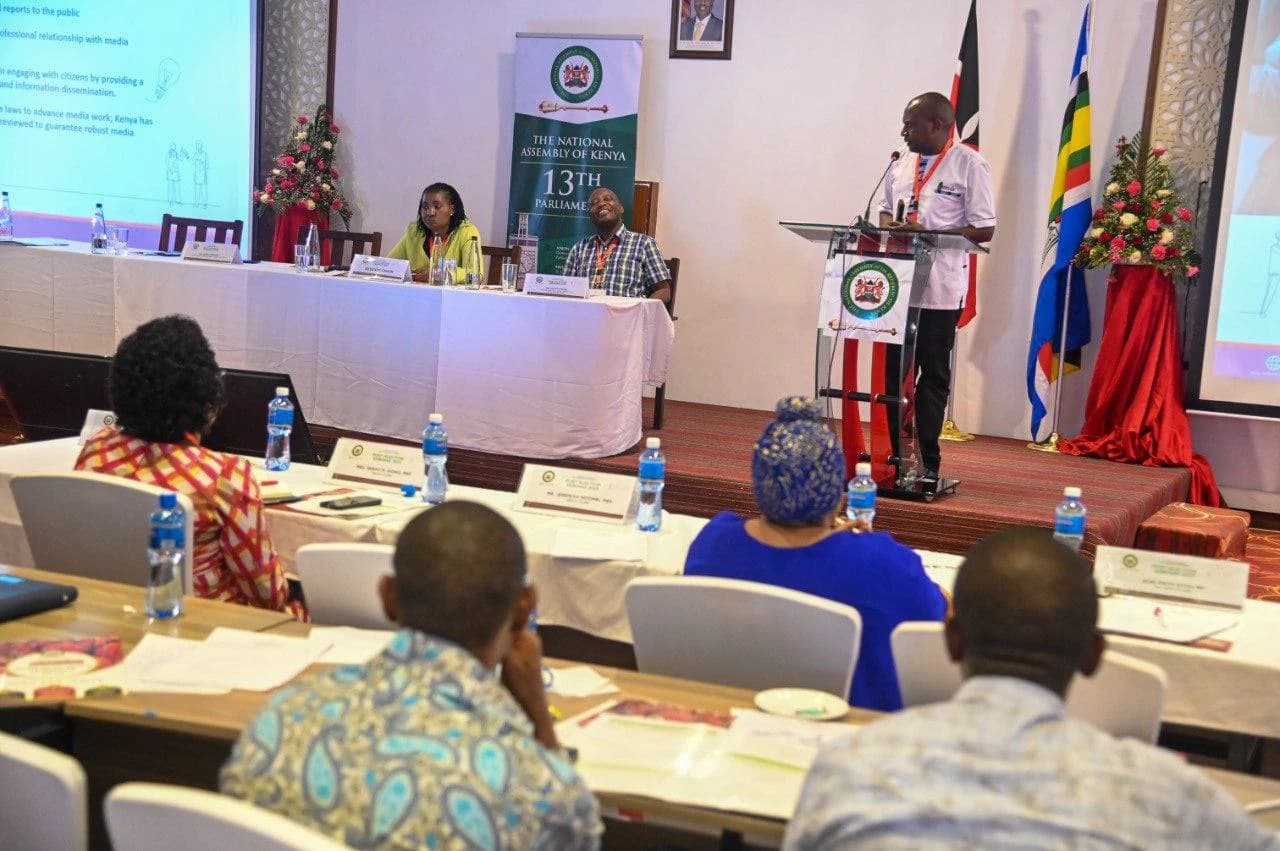
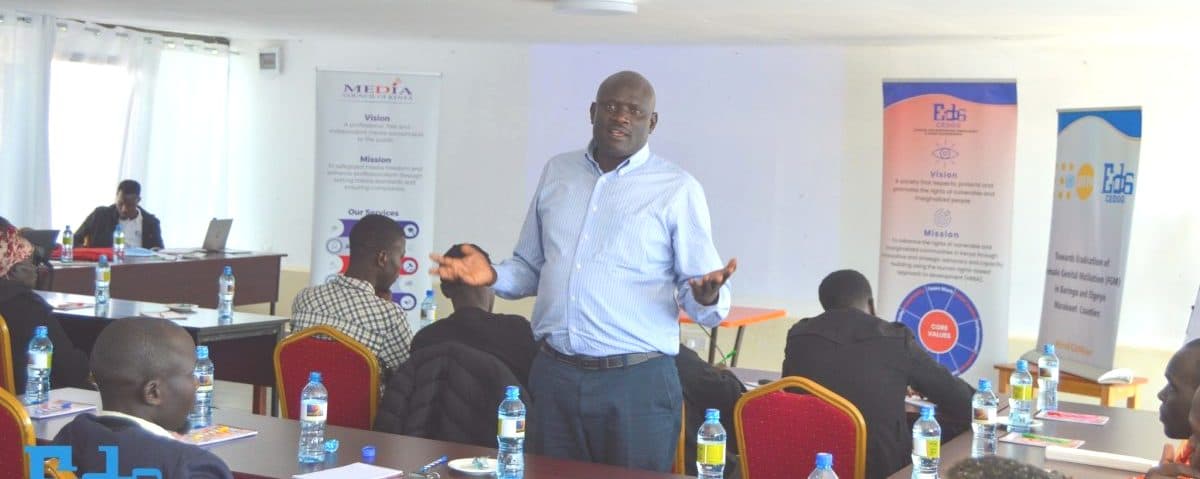
The concerns emerged during a meeting between the National Assembly Departmental Committee on Communication, Information and Innovation and the Media Council of Kenya (MCK) in Nakuru, where lawmakers scrutinised proposals contained in the draft Media Council (Amendment) Bill, 2026.
The legislators questioned proposals seeking to formally recognise journalism as a professional practice requiring specified academic qualifications, training and accreditation.
The proposed amendments seek to distinguish professionally trained and accredited journalists from bloggers, social media influencers and other content creators, with the Council arguing that clearer professional standards would strengthen accountability and regulation in the media industry.
However, MPs cautioned that the proposed definition must not undermine freedom of expression or unfairly lock out individuals who gather and disseminate information without formal journalism qualifications.
Nandi MP Bernard Kitur questioned how the law would distinguish professional journalists from individuals who claim the title without meeting established professional standards.
He warned that leaving the definition vague could create further confusion in an industry undergoing rapid technological transformation.
MCK CEO David Omwoyo told the committee that the existing law gives the Council broad discretion in determining who qualifies as a journalist but lacks sufficiently clear statutory criteria.
He said the proposed amendments seek to establish minimum educational and professional requirements, as well as continuing obligations, to strengthen journalism as a recognised profession.
Proposed reforms seek to clarify regulatory mandates
The proposed legislative changes also seek to address overlapping regulatory mandates between MCK and the Communications Authority of Kenya (CA), alongside duplication of responsibilities between the Council and its Complaints Commission.
The Council told lawmakers that recent court decisions had helped clarify the respective mandates of the two regulators, particularly concerning media content regulation and broadcasting licensing.
It maintained that the amendments would strengthen its oversight capacity and eliminate institutional conflicts that have complicated regulation of the media sector.
The review comes amid significant growth in Kenya's media industry since the enactment of the Media Council Act in 2013, with the expansion of television, radio and digital broadcasting creating additional regulatory demands.
MCK Training Director Victor Bwire told the committee that the proliferation of television and radio stations had increased the need for stronger monitoring mechanisms, particularly in vernacular broadcasting.
He cautioned against relying entirely on Artificial Intelligence (AI) to monitor media content, noting that local-language broadcasts require personnel with an understanding of linguistic and cultural contexts.
Bwire further disclosed that the Council had secured approval to recruit an additional 100 employees, raising its authorised staff establishment to 222 to strengthen its operational capacity.
MPs raise concerns over journalists' welfare
Beyond regulatory reforms, journalists' welfare, remuneration and professional independence also featured prominently during the deliberations.
Lawmakers expressed concern over poor remuneration in sections of the media industry, questioning whether journalism remained a sustainable career amid rising living costs.
The committee indicated that it could raise remuneration concerns with relevant Government agencies, including SRC, but clarified that it had no mandate to determine salaries in privately owned media organisations.
Committee Vice-Chairman Alfah Miruka, the MP for Bomachoge Chache, urged journalists to strengthen their professional associations and trade unions to champion better working conditions and protect their welfare.
Other committee members, including Nzioka Kivasu (Mbooni), Joyce Bensouda (Homa Bay), Gideon Kimaiyo (Keiyo South), Shakeel Shabbir (Kisumu East) and Tubi Mohamed Tubi (Isiolo South), challenged journalists to uphold professional independence, verify information and resist political and commercial interference.
Mbooni MP Erastus Kivasu urged journalists to prioritise accuracy and credibility, warning that information disseminated through the media significantly influences public opinion.
"Try to be realistic. This is your country, and whatever you disseminate to the public is internalised and digested. Give the public information that is true and authentic," he told journalists.
Homa Bay MP Joyce Atieno Bensouda cautioned media organisations against publishing propaganda, saying their reporting could either promote national cohesion or fuel instability, particularly as Kenya approaches another election cycle.
"Media houses can burn the country or build it," she said, calling for responsible journalism and balanced reporting.
Media Council seeks stronger regional support
The Council, in turn, urged journalists to uphold professional ethics, collaborate with digital content creators and promote responsible communication across emerging media platforms.
It also emphasised the need for timely dissemination of information, particularly at the grassroots, and enhanced safety measures for journalists covering sensitive assignments.
The engagement also included an assessment of regional media hubs established by the Council to support journalists operating outside Nairobi.
The Council said the facilities provide working spaces and essential resources to enable journalists to gather, process and disseminate information within their respective regions.
It disclosed that it was pursuing partnerships with institutions such as the Kenya News Agency and Kenya Broadcasting Corporation to address operational expenses, particularly rental costs.
The proposed amendments remain under discussion and have not been finalised. The Council said the proposals were informed by consultations with media stakeholders and comparative regulatory experiences from Sweden, Finland and South Africa.
Further public participation is expected before the legislative proposals are finalised.
The committee's deliberations are expected to inform the eventual shape of the Bill, particularly on balancing professional standards, freedom of expression, media accountability and the growing influence of digital journalism.

Reader Discussion (0)
Sign in to comment