- Universities across East Africa are being challenged to strengthen postgraduate supervision and research support.
- Yabesh Onwonga highlights calls for supervisors to help struggling researchers overcome gaps and complete their studies.
- The appeal comes as African universities face growing pressure to strengthen research capacity and postgraduate training.
Universities across East Africa have been urged to strengthen postgraduate supervision and research support in a bid to improve completion rates for Master’s and doctoral students.
More than 500 public and private universities across 11 East African states should put greater emphasis on helping postgraduate students overcome research challenges and successfully complete their studies, scholars have said.
The call comes against the backdrop of concerns over the capacity of African higher education systems to absorb a rapidly growing student population while maintaining quality, research capacity and effective learning environments.
UNESCO says higher education is critical to Africa’s economic and social transformation because it promotes research, innovation, skills development and knowledge exchange. The organisation has also identified low enrolment, inadequate learning environments, underfunding and weak research capacity among the challenges facing higher education on the continent.
According to UNESCO, higher education enrolment in Africa stands at about nine per cent, compared with a global average of about 42 per cent, while research and development investment remains below global levels.
Supervisors urged to support struggling researchers
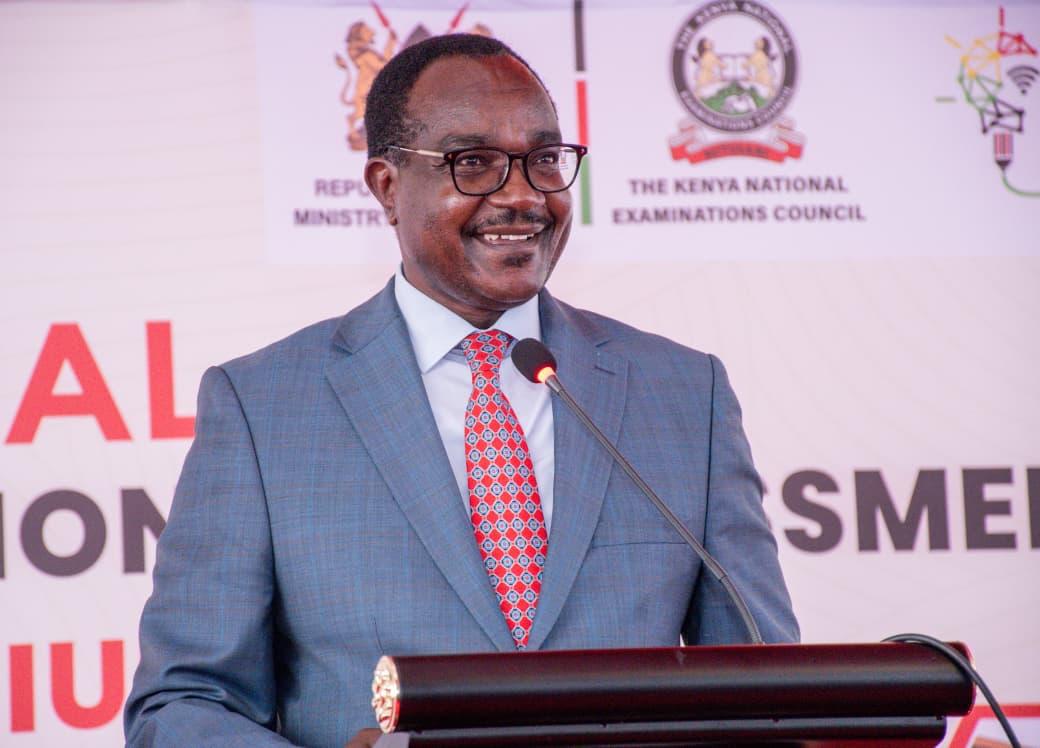
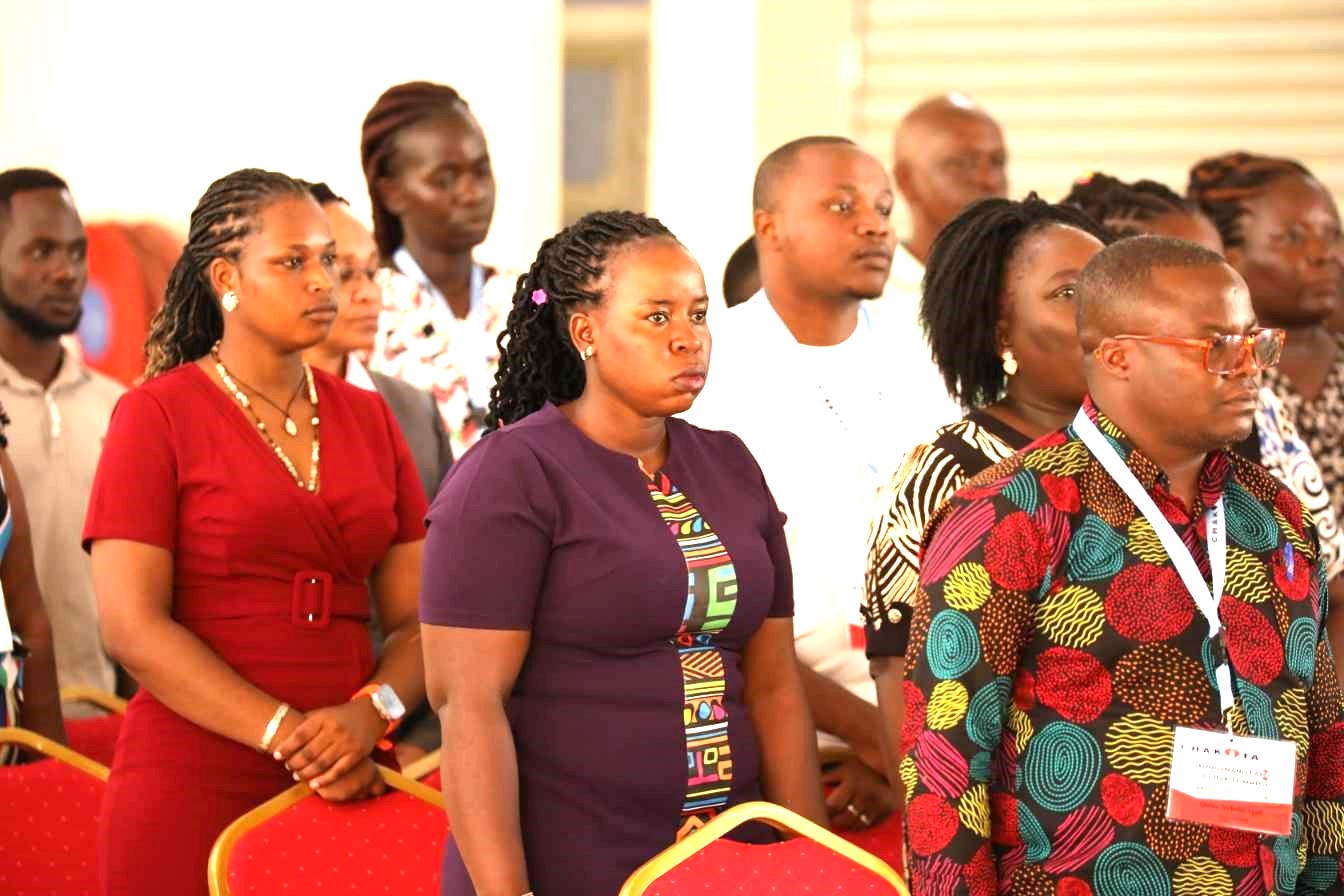
Addressing at least 3,000 pundits and scholars affiliated with Chama cha Kiswahili cha Afrika Mashariki, Professor Mark Mosol Kendagor lauded scholars for their relentless pursuit of knowledge and their efforts to promote Kiswahili as an important language of scholarship and communication in East Africa.
Prof. Kendagor also urged scholars and university supervisors to remain mindful of postgraduate students experiencing difficulties in their research and to provide them with the support necessary to realise their academic ambitions.
He said universities and supervisors have a responsibility to identify students facing research gaps and help them improve rather than allowing them to remain stuck in their programmes.
“By that, I mean that you’re executing a classic job and just continue adding value to weak research students, to add value to completion rates,” he said.
His remarks underline the importance of effective postgraduate supervision at a time when African universities are under increasing pressure to produce more researchers and highly skilled graduates.
UNESCO’s Campus Africa programme specifically seeks to strengthen research capacity in African tertiary institutions through capacity-building, networking, knowledge-sharing and partnerships. It also promotes doctoral studies, scholarships and greater mobility among African students.
The organisation’s 2024 Forum on Higher Education in Africa, held in Nairobi, also brought together higher education institutions, students, skills providers and development partners to examine how research, innovation and tertiary skills can contribute to sustainable development across the continent.
Universities face growing research demands
UNESCO has noted that Africa’s higher education sector faces considerable pressures as demand continues to rise. The number of students enrolled in African universities has grown substantially over the past two decades, while institutions continue to grapple with inadequate resources and research infrastructure.
For postgraduate education, the challenge is not simply to increase enrolment but also to ensure that students receive the supervision, research training and academic support required to complete their programmes.
Prof. Kendagor urged scholars to see postgraduate supervision as an opportunity to mentor the next generation of researchers rather than merely as an administrative obligation.
He said helping students close gaps in their research could unlock their scholarly potential and increase the number of graduates contributing to knowledge production in the region.
The emphasis on research capacity also aligns with UNESCO’s broader Campus Africa strategy, whose objectives include increasing research outcomes, improving the quality and availability of higher education data and strengthening inclusive and equitable tertiary education systems.
UNESCO’s Revised Convention on the Recognition of Studies, Certificates, Diplomas, Degrees and Other Academic Qualifications in Higher Education in African States also recognises the importance of quality assurance and cooperation among African higher education institutions.
Kiswahili’s place in scholarship
Prof. Kendagor further praised scholars for their continued efforts to promote Kiswahili, saying the language has an important role in education, research, cultural identity and regional integration.
He called for sustained efforts to expand the use of Kiswahili in academic and scholarly spaces so that research and knowledge can reach wider audiences across East Africa.
As universities expand their postgraduate programmes, improving completion rates will require a coordinated effort involving students, supervisors, university administrators and policymakers.
The goal, scholars said, should be to ensure that postgraduate students who demonstrate research potential are not lost because of gaps that can be addressed through stronger mentorship and academic support.
For East Africa, strengthening postgraduate completion could help expand the pool of researchers, academics and professionals needed to drive innovation, regional integration and sustainable development.
READ ALSO: Julius Ndirangu hands over Kabarnet Boys leadership to new principal after nine years
The challenge, therefore, is not merely to enrol more postgraduate students, but to ensure that they are given the support and research environment needed to successfully cross the finish line.
By Yabesh Onwonga
Yabesh Onwonga is a history and language analyst.
Get more stories from our website: Education News
To write to us or offer feedback, you can reach us at: editor@educationnews.co.ke
You can also follow our social media pages on Twitter: Education News KE and Facebook: Education News Newspaper for timely updates.
>>> Click here to stay up-to-date with trending regional stories